

 2 hours ago
4
2 hours ago
4
ARTICLE AD BOX
4 min readUpdated: Apr 20, 2026 01:52 PM IST
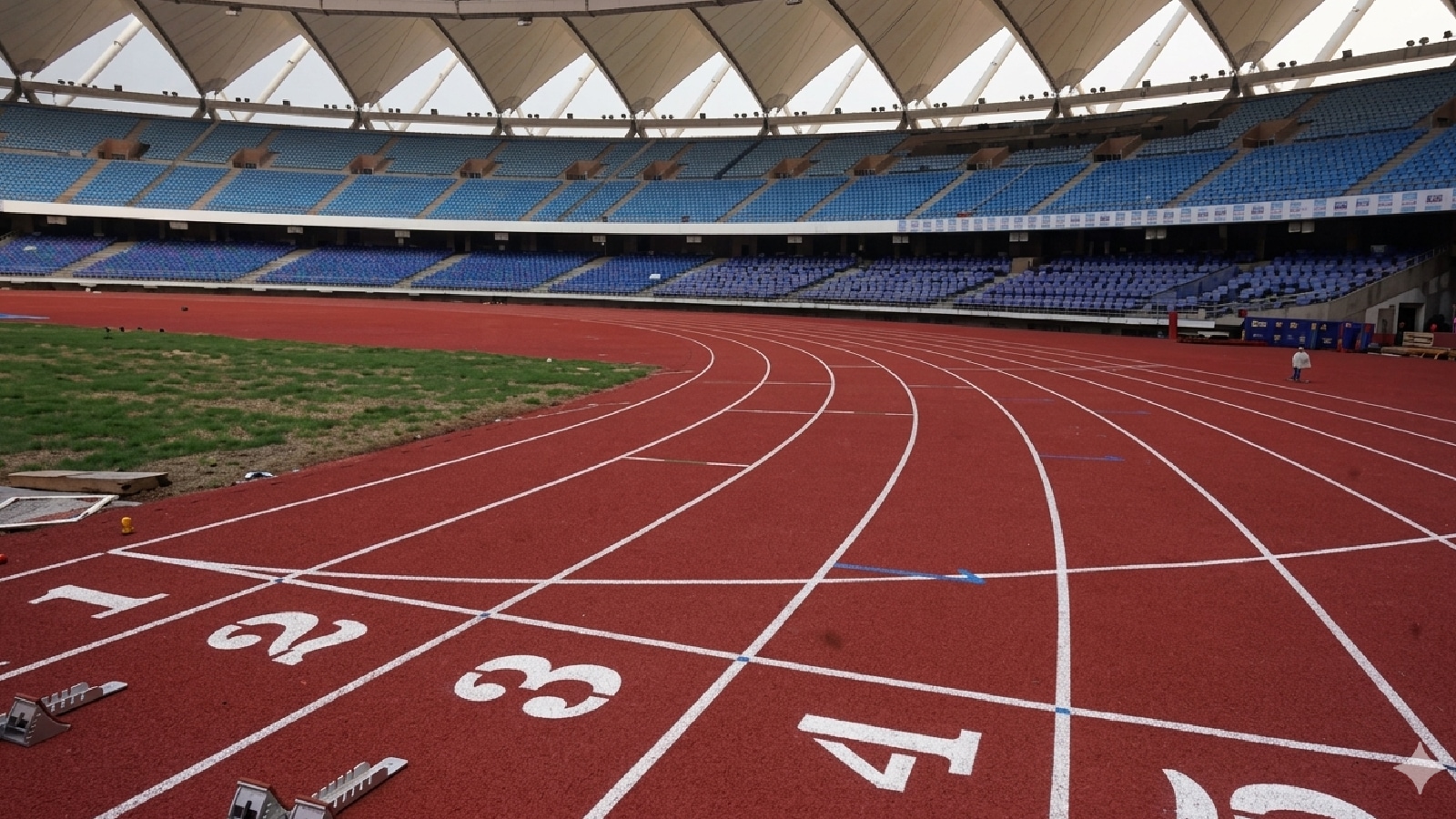 In 2022, India recorded 48 Anti-Doping Rule Violations (ranked 2nd) while in 2023, the number grew to 63 (ranked 2nd). Then, it rose even further to 71 in 2024 (ranked 1st). (File photo)
Pointing out that there is an “extremely high” risk of doping in India, the Athletics Integrity Unit (AIU) Board has downgraded the Indian athletics federation (AFI) from ‘Category B’ to ‘Category A’ under Rule 15 of the World Athletics’ Anti-Doping Rules. This comes in a year when India’s track and field athletes will be competing at Asian Games in Japan and the Commonwealth Games in Glasgow.
In July last year, when an Indian delegation had made their pitch to the International Olympic Committee (IOC) at the Olympic headquarters in Lausanne to bring home the 2036 Olympics, India’s track record on doping was one of the issues that was highlighted by the IOC, besides other issues like governance.
This re-classification of the Athletics Federation of India (AFI) means that India’s track and field athletes will now have to comply with more stringent anti-doping stipulations.
According to Rule 15 of the World Athletics’ Anti-Doping Rules, national federations are categorized as Category ‘A’, Category ‘B’ or Category ‘C’ member federations according to the relative doping risk they represent to the integrity of the sport of athletics at the international level. Rule 15 came into effect in 2019 and creates anti-doping obligations on national federations who can be held accountable for the anti-doping programmes operated in their country.
‘Category A’ member federations, which represent the highest risk, are subject to more stringent requirements under the Rules, including minimum testing requirements for their national team athletes.
Why was India downgraded?
This decision, made public by the AIU by a press release on Monday, was taken by the Athletics Integrity Unit Board after India ranked in the top two for the most Anti-Doping Rule Violations (ADRVs) in athletics between 2022 and 2025.
In 2022, India recorded 48 ADRVs (ranked 2nd) while in 2023, the number grew to 63 (ranked 2nd); and then rose even further to 71 in 2024 (ranked 1st). For 2025, India has recorded 30 ADRVs so far, which puts it at rank 1st, but with a caveat that there is a substantial time lag in reporting the final ADRV numbers.
Story continues below this ad
“The doping situation in India has been high-risk for a long time and, unfortunately, the quality of the domestic anti-doping programme is simply not proportionate to the doping risk,” AIU Chair David Howman said in a statement.
“While the AFI has advocated for anti-doping reforms within India, not enough has changed. The AIU will now work with the AFI to achieve reforms to safeguard the integrity of the sport of athletics, as we have done with other ‘Category A’ Member Federations.”
What does this mean for India’s track and field athletes?
Here are just some of the measures that will be imposed on Indian athletes due to AFI being classified in Category A, according to Rule 15 of the World Athletics’ Anti-Doping Rules:
The national testing programme must ensure that all athletes who compete as part of a National Team in any World Athletics Series Event, Olympic Games or World Athletics Ultimate Championship, and who are not already on the International Registered Testing Pool, have been adequately tested in accordance with the requirements of this rule.
The testing program must also include in-competition testing, no notice out-of-competition testing and pre-competition blood testing for screening purposes (Athlete Biological Passport) and analyses as prescribed under WADA’s Technical Document on Sport-Specific Analyses (TDSSA).
Story continues below this ad
If Athletes do not reside or train from time to time in the country of the federation, it remains the responsibility of Category ‘A’ federation (or the relevant anti-doping organisation) to ensure that the athletes are subject to testing abroad. The fact that an athlete resides from time to time or trains or competes abroad is not a valid reason not to test them and not to meet the requirements
All test samples of athletes will have to be provided to be analysed by WADA-accredited (or WADA-approved) laboratories for full menu analysis.

Amit Kamath is Assistant Editor at The Indian Express and is based in Mumbai. He primarily writes on chess and Olympic sports, and co-hosts the Game Time podcast, a weekly offering from Express Sports. He also writes a weekly chess column, On The Moves. ... Read More
© IE Online Media Services Pvt Ltd









 English (US) ·