

 1 week ago
6
1 week ago
6
ARTICLE AD BOX

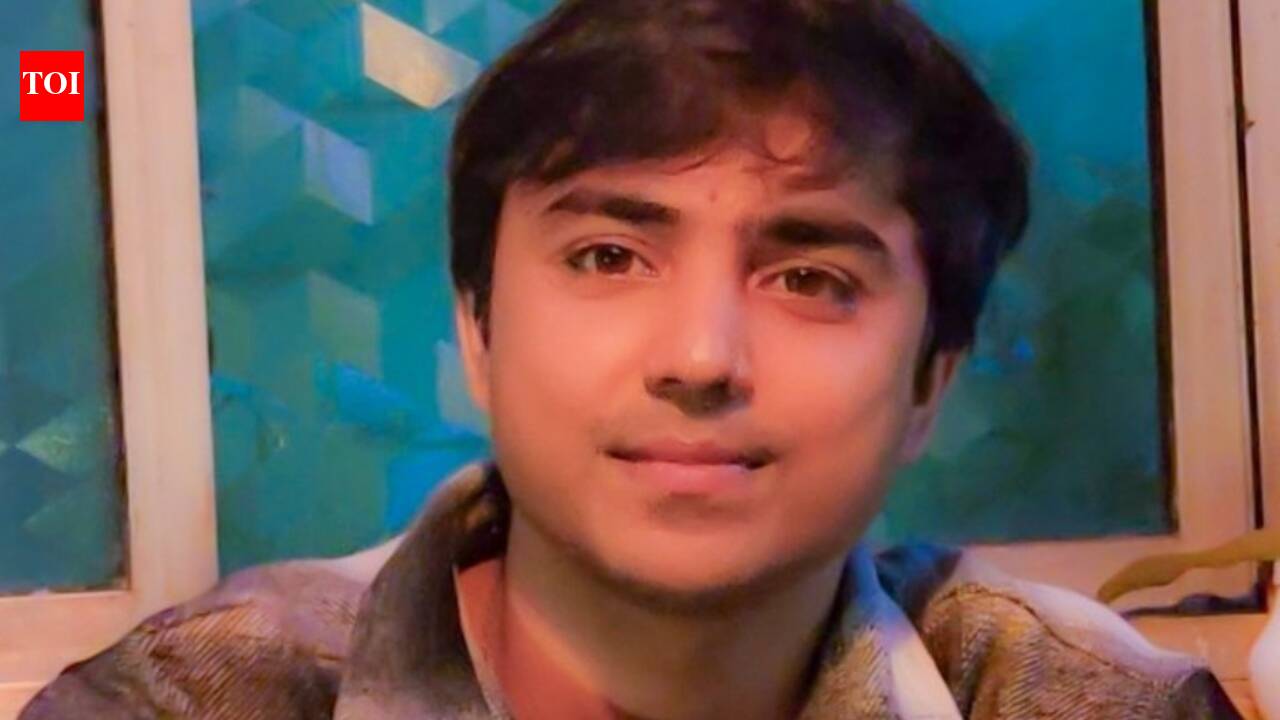
India decriminalised homosexuality in 2018. But while the legal framework shifted, the social contract didn’t,” says prominent LGBTQIA+ rights activist Ankit Bhuptani. As we celebrated Pride Month recently, he talks about how, despite the community having legal protection on paper, things continue to be challenging for them, the challenges of navigating online dating apps, his experience of counselling community members and more.‘I have been using dating apps since 2010’Talking about more and more young queer Indians using dating apps and its pros and cons, Ankit shares, “Millions are using dating apps inside a society where the law says one thing and the family, the employer, the landlord, and the police constable say something entirely different. That gap is dangerous. My own experience has been relatively protected because I’m urban, educated, and socially connected.
I’ve been using them since 2010.
I have a network, but most users don’t. A queer person in India today has legal protection on paper and almost no practical recourse when things go wrong. That distance between legal text and lived reality is the central challenge.”‘Anonymity is harder to maintain in smaller cities’Asked about the unique challenges faced by the community members in smaller cities, especially those using dating apps, he shares, “India’s digital story is fundamentally a small-city story.
That’s where the most interesting things are happening, but also where the most significant risks are accumulating simultaneously. The data on app penetration in smaller cities is genuinely striking, and there are significant user bases in cities well outside the metros.
This is good because it ensures access to community and identity affirmation for people who had none earlier. But the risk profile in smaller cities is materially higher.
Anonymity is harder to maintain, institutional support doesn’t exist. Economic dependence on family limits exit options when things go wrong.”He adds, “India’s LGBTQ+ civil society is overwhelmingly concentrated in four or five cities. The geographic mismatch between where the need exists and where the support infrastructure exists is one of the most underreported stories in this space. And on the macro scale, the platforms (dating apps) have no meaningful obligation to the Indian state or Indian users specifically.
The Indian state has no meaningful framework for protecting that data or those users.
This is the broader digital governance failure applied to a particularly vulnerable population. We talk a lot about data localisation and digital sovereignty in abstract policy terms. Here’s a very concrete human cost of not having solved those problems.”Talking about LGBTQ+ community members facing extortion, catfishing, doxxing, blackmail and harassment, especially those using dating apps, he says, “I have been doing this work (counselling, advocacy, crisis navigation) long enough to know that the moment a person stops accepting borrowed shame, the blackmailer loses most of their power.
The extortionist operates in a space with no accountability. The platforms provide no meaningful verification.
The police apparatus hasn’t been equipped or sensitised. The legal framework exists on paper but doesn’t function in practice for this community. That’s four simultaneous governance failures operating together to create near-total impunity for the perpetrator. My practical guidance is the same as others: Don’t pay, document, find specialised help.
India needs a Digital Safety Act with specific provisions for targeted harassment of minority communities, including LGBTQ+ individuals. The EU has moved on this, India needs to move faster than it has.”‘We need trained helplines and legal aid cells’Asked about the importance of informal safety networks for community members, he says, “The informal networks are real, and they’re genuinely effective within their limits.
The limits are capacity, geography, and sustainability. You cannot build a national safety infrastructure on DMs or known LGBTQ voices on Instagram or volunteer WhatsApp groups run by people who also have full-time lives and careers. India needs formal LGBTQ+ crisis infrastructure.
We need trained helplines, legal aid cells, and police sensitisation at district level. The 2018 Supreme Court ruling gave the legal foundation, but nobody has built seriously on top of it. That’s a policy failure with ongoing human costs. The community has held the line, now the state needs to build the wall.”







 English (US) ·