

 1 hour ago
4
1 hour ago
4
ARTICLE AD BOX
Last Updated:February 21, 2026, 13:03 IST
This will be the first underwater road and rail tunnel in India and the second of its kind globally.

India is set to build its first underwater road tunnel as the Centre has approved a major infrastructure project in Assam. The Cabinet Committee on Economic Affairs, chaired by Prime Minister Narendra Modi, cleared the proposal for a four-lane access-controlled greenfield corridor between Gohpur and Numaligarh. The project comes with a total capital cost of Rs 18,662.02 crore. At the heart of the plan is a 15.79-kilometre road-cum-rail tunnel under the Brahmaputra River. This will be the first underwater road and rail tunnel in India and the second of its kind globally, as per the press release by the Cabinet Committee on Economic Affairs (CCEA).
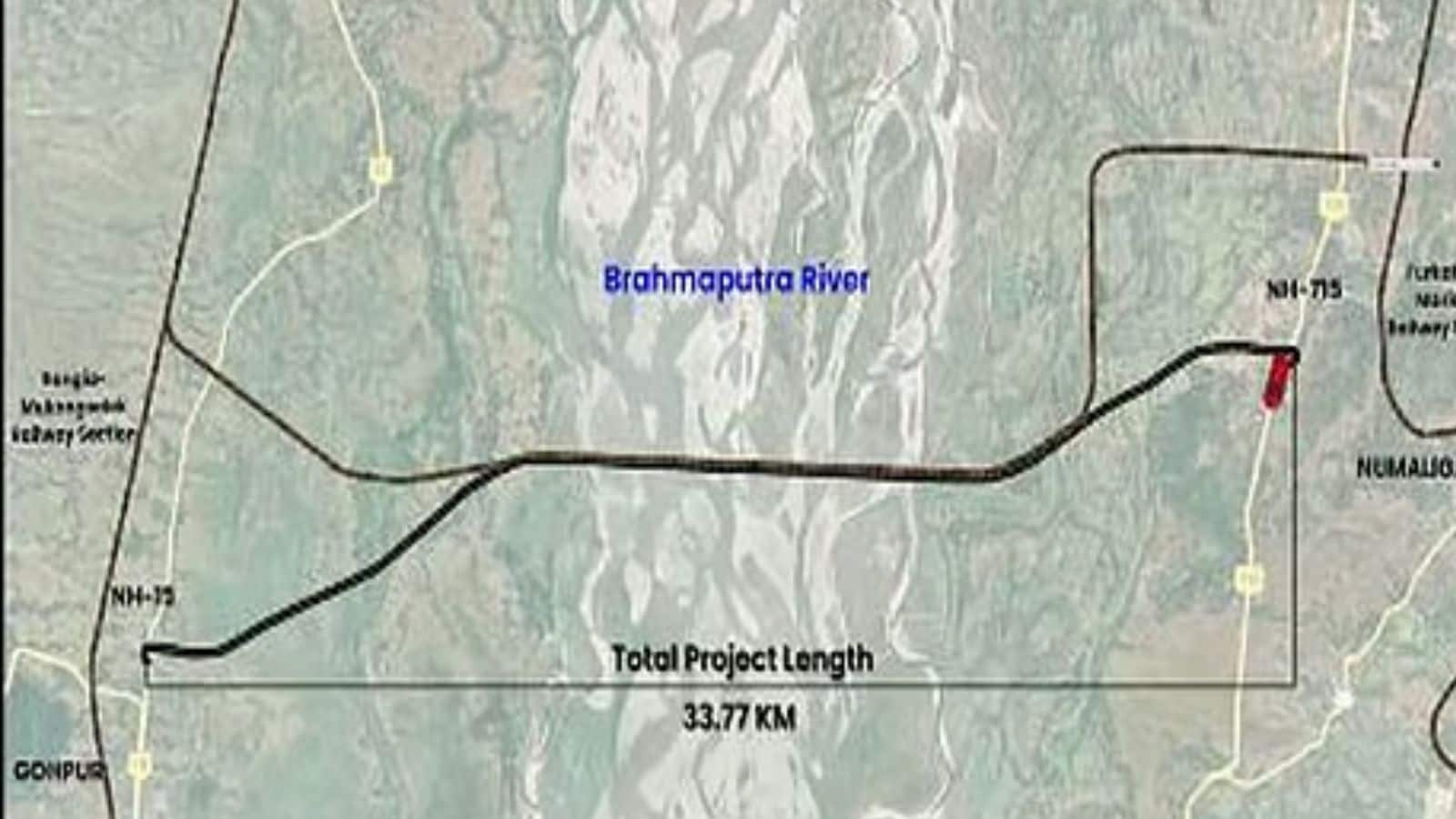
At present, connectivity between Numaligarh on NH-715 and Gohpur on NH-15 is long and time-consuming. The existing route stretches nearly 240 kilometres via the Kaliabhomora road bridge near Silghat on NH-52. The journey takes around six hours and passes through Numaligarh, the area near Kaziranga National Park and Biswanath Town. This distance and travel time have caused significant challenges for both passengers and freight movement. The corridor aims to reduce this gap. The tunnel under the Brahmaputra river forms the core of this plan.
The total project length is 33.77 kilometres and it will be developed under the Engineering, Procurement and Construction (EPC) mode. Out of the total cost, the civil construction component is at Rs 11,982.36 crore, whereas the land acquisition is estimated at Rs 716.65 crore. The remaining cost contributes to the overall capital outlay of Rs 18,662.02 crore. The corridor will be access-controlled and designed as a four-lane greenfield highway. It directly connects Gohpur on NH-15 to Numaligarh on NH-715.
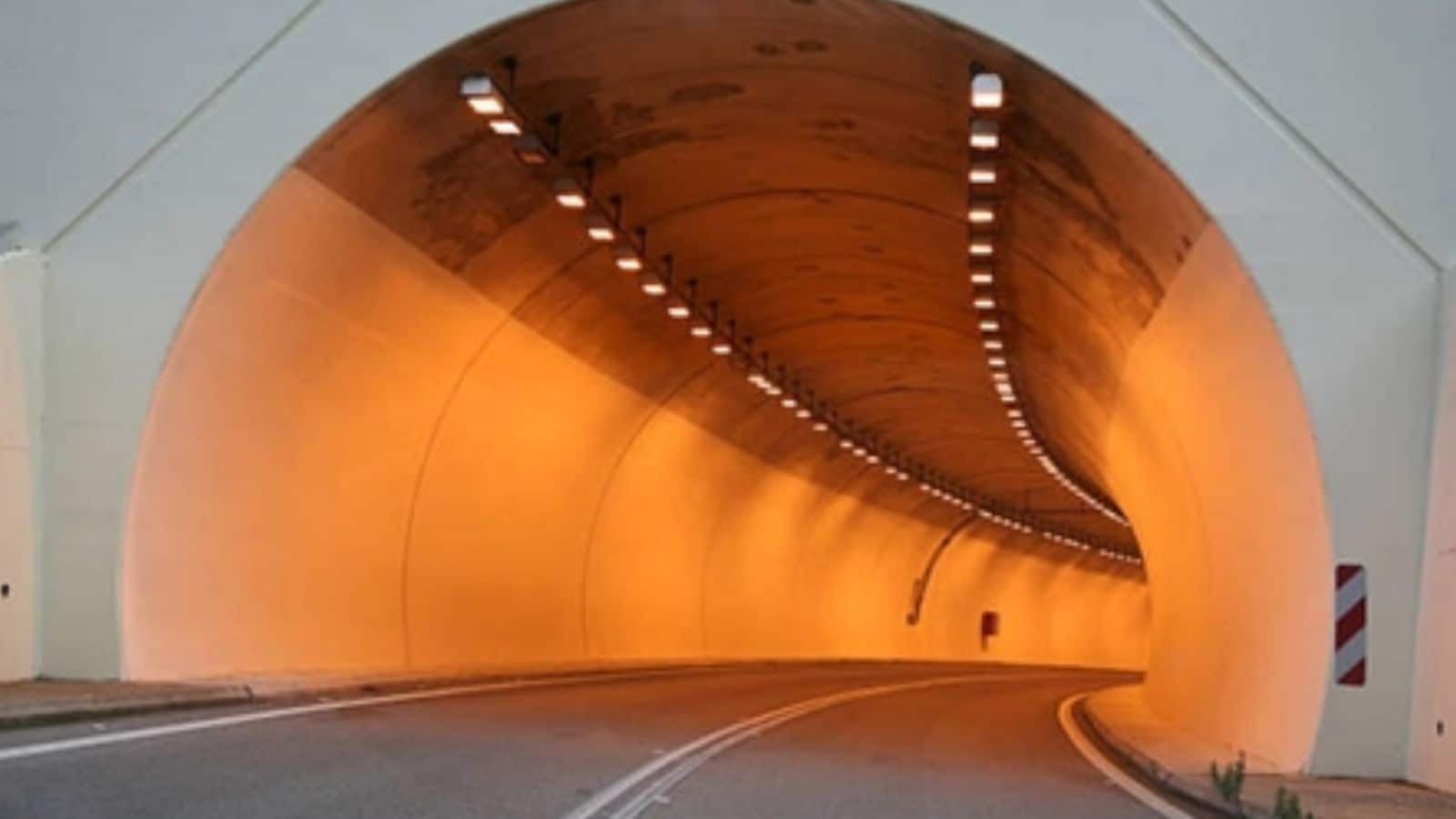
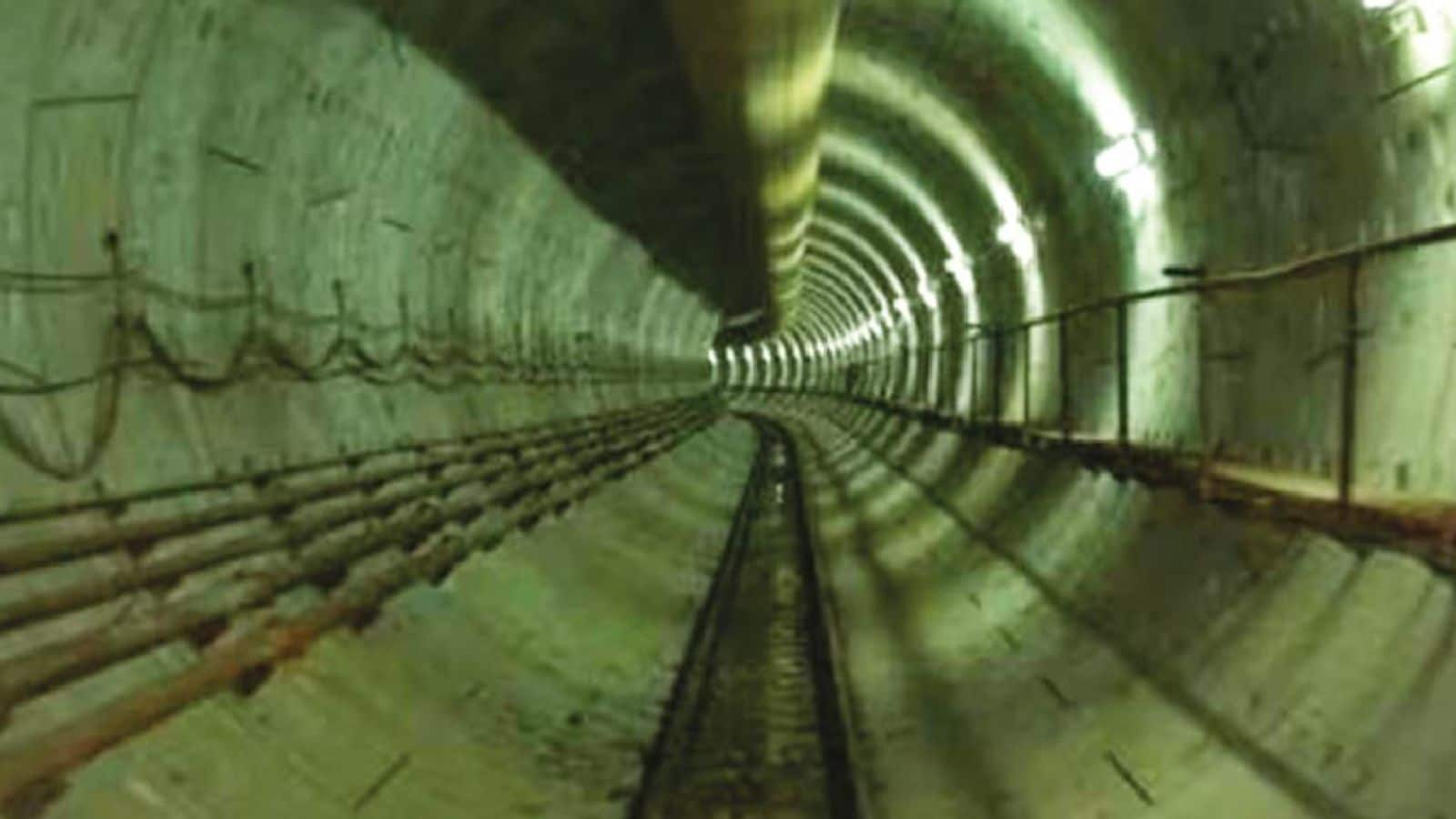
The tunnel structure will include a twin-tube TBM tunnel with railway infrastructure placed in one of the tubes. The road-cum-rail tunnel section beneath the Brahmaputra River will measure 15.79 kilometres. In addition, the project includes 1.26 kilometres of road cut-and-cover section. There will also be 4 kilometres of rail cut-and-cover construction. This integrated design allows both road and rail connectivity within the same corridor. It is designed to support seamless movement across different modes of transport.
The alignment connects two major National Highways: NH-15 and NH-715. It also links two important railway lines under the Northeast Frontier Railway. On the Gohpur side, it integrates with the Rangia–Mukongselek railway section under the Rangia Division of NFR. On the Numaligarh side, it connects to the Furkating-Mariani loop line section under the Tinsukia Division of NFR.
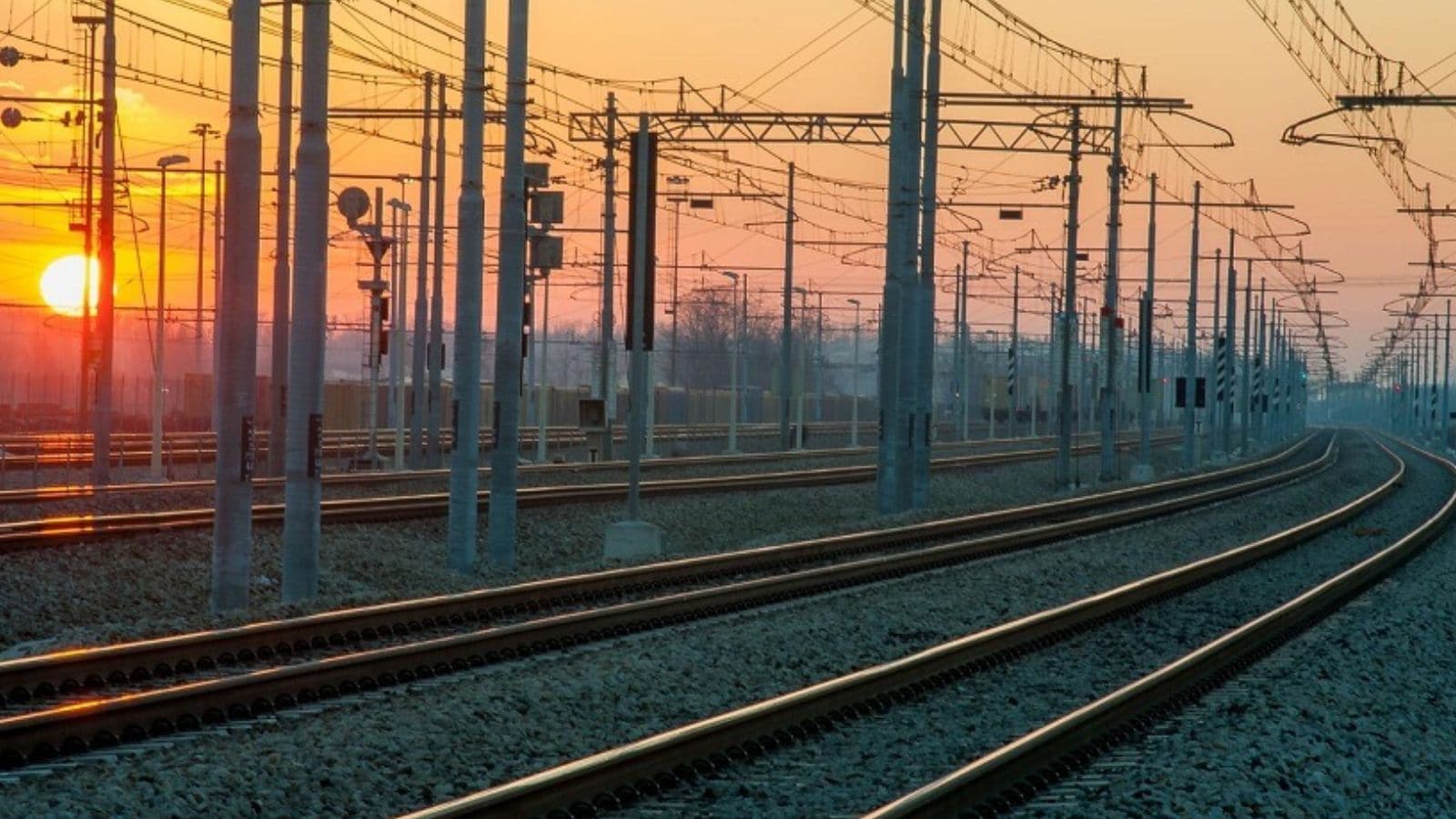
Beyond highways and rail lines, the corridor connects with multiple economic, social and transport nodes. It will link to 11 economic nodes, 3 social nodes, 2 tourist nodes and 8 logistics nodes across Assam and neighbouring states. The project also connects to four major railway stations: Numaligarh Railway Station, Gohpur Railway Station, Golaghat Town Railway Station and Simaluguri Junction.
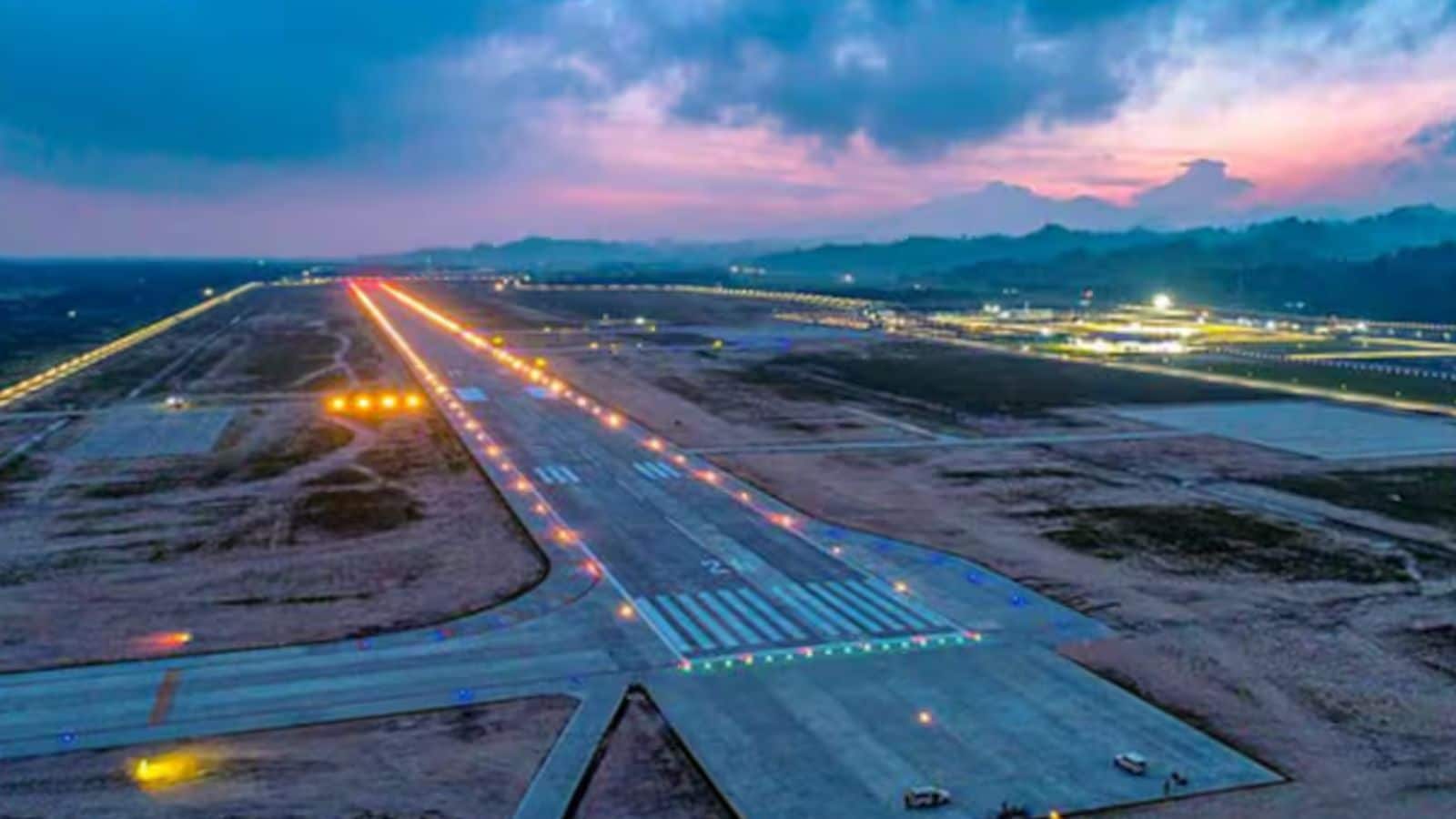
Air connectivity is also part of the integrated network. The corridor will connect with two airports: Donyi Polo Airport in Itanagar and Tezpur Airport. In addition, it links with two inland waterway terminals at Biswanath Ghat and Tezpur. These inland waterway connections provide an additional transport channel for goods and passengers. By linking road, rail, air and water transport, the project creates multiple access points within the region.
The 11 economic nodes connected through the corridor include industrial areas and development centres such as Numaligarh Industrial Area, Jorhat DIC, IIDC Titabor, Industrial Area Junakinagar and Industrial Estate Nagaon. It also links IIDC Demow, Industrial Estate Sivasagar, IIDC Naltali, Industrial Area Dolabari, Mini Industrial Area Biswanath and MMLP Jogighopa. These nodes are expected to benefit from shorter travel distances and improved freight efficiency.
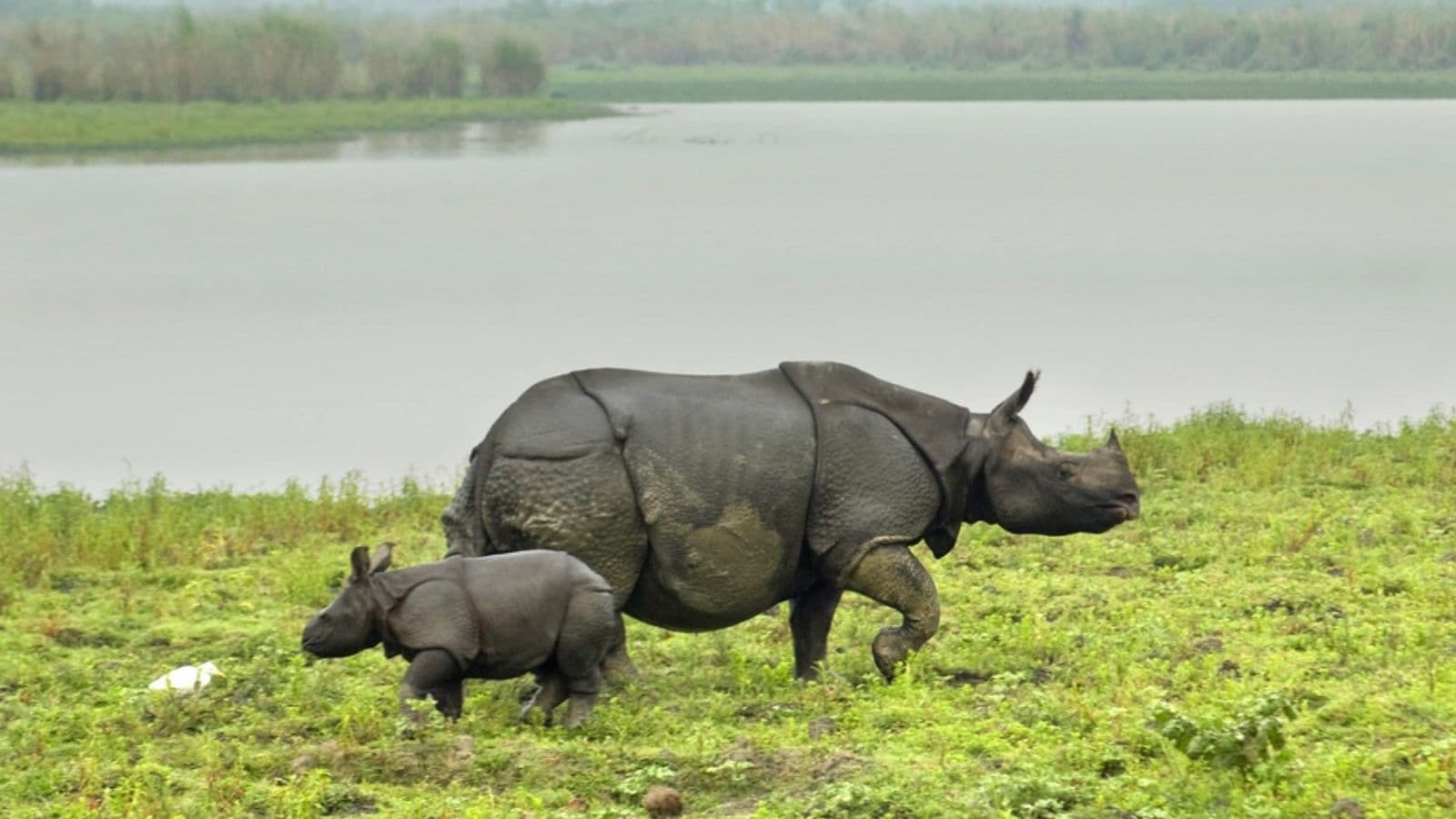
The corridor also connects social nodes, including one tribal district, Dima Hasao, and two Aspirational Districts: Udalguri and Darrang. Tourist destinations such as Kaziranga National Park and Deopahar Archaeological Site are also part of the connected network. Major towns and cities linked through this project include Numaligarh, Tezpur and Gohpur in Assam. The corridor also improves access to Dibrugarh in Assam and Itanagar in Arunachal Pradesh.
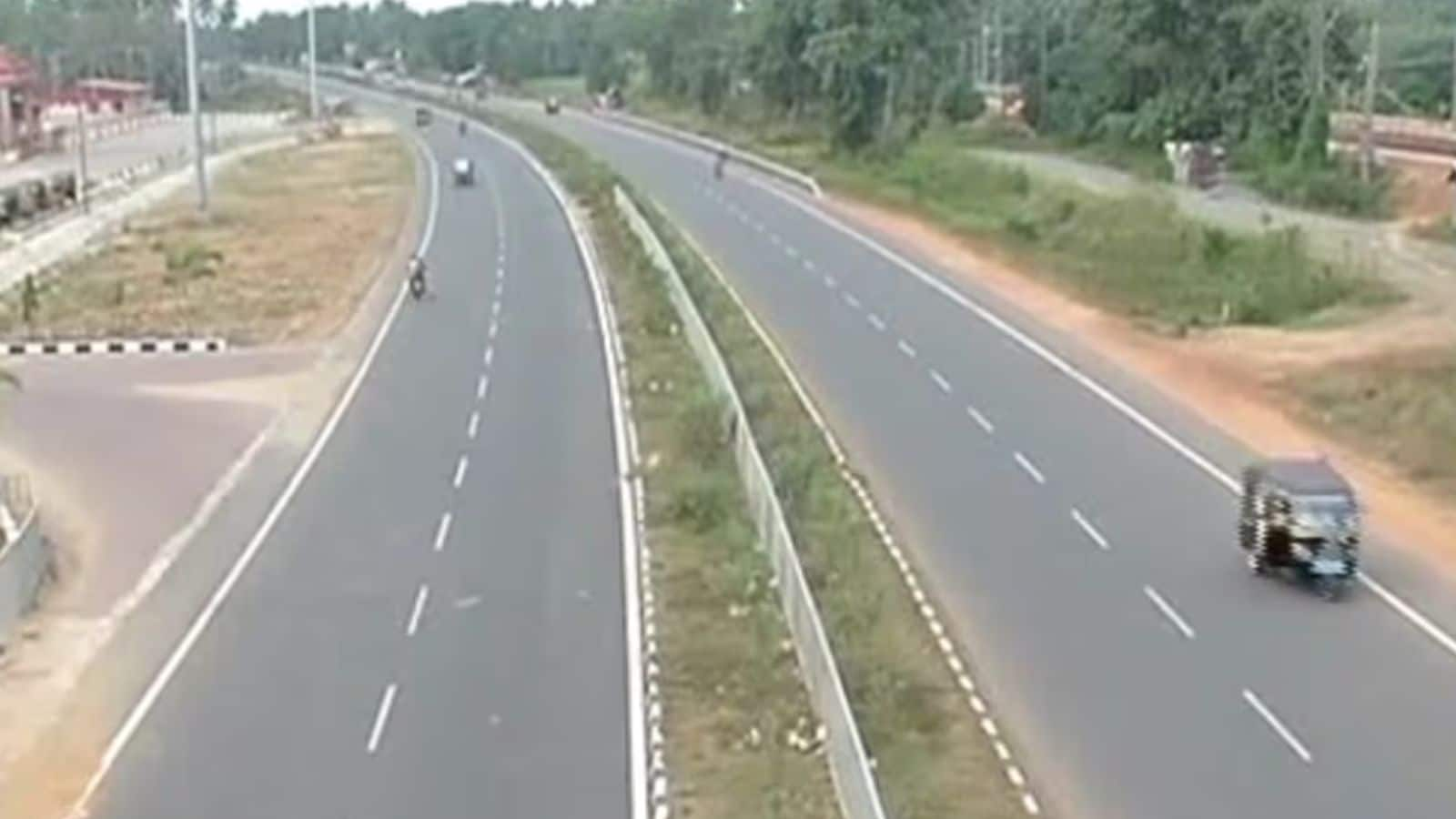
The project is projected to generate around 80 lakh person-days of direct and indirect employment during its development. The improved corridor is intended to support freight movement and reduce logistics costs in the region. It is designed to serve Assam, Arunachal Pradesh, Nagaland and other North-Eastern states through enhanced connectivity.
News Photogallery india India’s First Underwater Road-Rail Tunnel Coming Soon: Timeline, Location, Safety Tips, Is Life Jacket Mandatory?





 English (US) ·