

 1 hour ago
6
1 hour ago
6
ARTICLE AD BOX
Last Updated:May 28, 2026, 07:00 IST
The remarks come as Prime Minister Modi also warned people of the harsh heat sweeping India, urging people to not ignore signs of heat exhaustion and take precautions


Stiell said that these are testing times for those living in homes without cooling or working long hours outdoors and emphasised the importance of climate adaptation globally. Image/News18
As India continues to reel under relentless heatwaves, UN Climate Chief Simon Stiell warned that worsening climate change is the main culprit for the punishing extreme heat, which has triggered severe human and economic impacts across the country this May.
“Large parts of India are already experiencing a punishing summer of extreme heat, with severe human and economic impacts, and the main culprit is worsening climate change, largely driven by the world burning colossal amounts of coal, oil and gas," said the UN Climate Change Executive Secretary on Wednesday.
The latest remarks come on a day when Prime Minister Narendra Modi also cautioned people against the impacts of the harsh heat that has gripped India and urged them to stay hydrated and offer water to others. “Watch for signs of heat exhaustion like dizziness, nausea or extreme fatigue… Ignoring these warning signs can quickly turn dangerous and may even lead to heatstroke. Children, the elderly, and those working outdoors are especially vulnerable," he posted on X.
The heat has turned brutal across India, with day temperatures crossing 48℃ and nights becoming exceptionally warmer, upending lives and livelihoods.
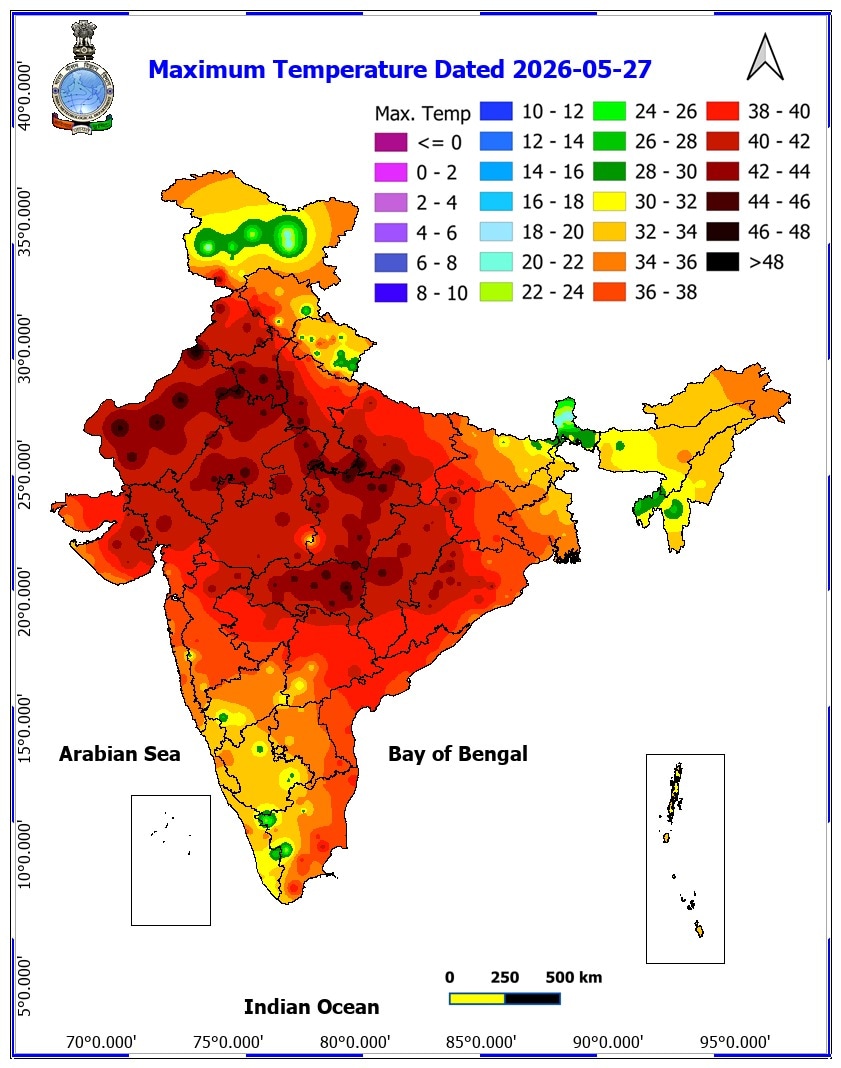
Stiell further said that these are testing times for those living in homes without cooling or working long hours outdoors and emphasised the importance of climate adaptation globally. He also highlighted the record-breaking peak electricity demand India saw last week, with peak power demand touching 270.8 GW on the afternoon of May 21—shattering all previous records. While lauding the country’s clean energy push, he said the solar and other renewable energy sources have helped in meeting daytime peaks.
“The heat extremes over India are a reminder of the potential of homegrown clean energy and energy efficiency measures, which could help provide cooling to the most vulnerable and more secure and affordable electricity to help power homes, businesses, vital health services, and electric transport. This extreme heat on lives and livelihoods is doubly challenging, coming amid the current fossil fuel cost crisis—with spiralling prices for imported fossil fuels around the world due to conflict in the Middle East," he added.
The UN Climate Chief urged nations to accelerate their transition to renewables for energy security, affordability, and protection of populations and economies, warning that not just India, but the world is likely to see an increase in heat extremes in the future as the impacts of the climate crisis get worse.
India has been grappling with extreme heat for the past ten days, with continuous heatwaves across several states. On Wednesday, the temperatures peaked at 48.2℃ at Sriganganagar, Rajasthan, and remained nearly 3-5℃ above normal over many parts. The national capital simmered at 44.6℃ even as the weather remained dry. Scientific evidence has linked global warming to increasing intensity and frequency of heatwaves in countries like India, which are among the most susceptible to heat stress.
Handpicked stories, in your inbox
A newsletter with the best of our journalism
News india India’s Punishing Summer Heat Driven By Climate Change, Says UN Climate Chief As Temperatures Soar
Disclaimer: Comments reflect users’ views, not News18’s. Please keep discussions respectful and constructive. Abusive, defamatory, or illegal comments will be removed. News18 may disable any comment at its discretion. By posting, you agree to our Terms of Use and Privacy Policy.
Read More






 English (US) ·