

 1 hour ago
5
1 hour ago
5
ARTICLE AD BOX

India's changing family form has quietly given rise to a set often unnoticed in health talk, the "sandwich era." These are adults, usually in their 30s to 50s, who simultaneously worry about their growing children and growing father and mother.
Although this double duty is often seen as an herbal extension of family obligations, more and more it is becoming a huge intellectual health problem that deserves attention.At the heart of this problem is the sheer emotional and physical burden borne by caregivers. Managing young people's schooling, careers and emotional desires alongside the academic, financial and day-to-day caregiving demands of an elderly father and mother can be overwhelming.
Prolonged pressure without proper help can lead to anxiety, burnout and even melancholy. Yet, many individuals in this organization no longer understand their own misery, and regularly dismiss it as a normal part of lifestyle.
In India, cultural expectations play a significant position. Caring for mother and father is deeply rooted in values of appreciation and responsibility. But with urbanization, nuclear households and annoying paintings, the support structures that then existed are shrinking.
A United Nations Population Fund (UNFPA) report on aging in India highlights the rapid boom in the elderly population, which is expected to double by 2050.
This demographic shift will see older adults find themselves in caregiving roles, often without coaching or resources.One of the most overlooked elements in this situation is the emotional stress. Many caregivers indulge in guilt, they feel that they may not be doing enough for either their children or their parents.
Over time, this common stress can cause irritability, sleep disturbances and reduced productivity at work. There is a growing need for caregiver mental fitness attention in India, noting that stress-related disorders are increasing among middle-aged adults.
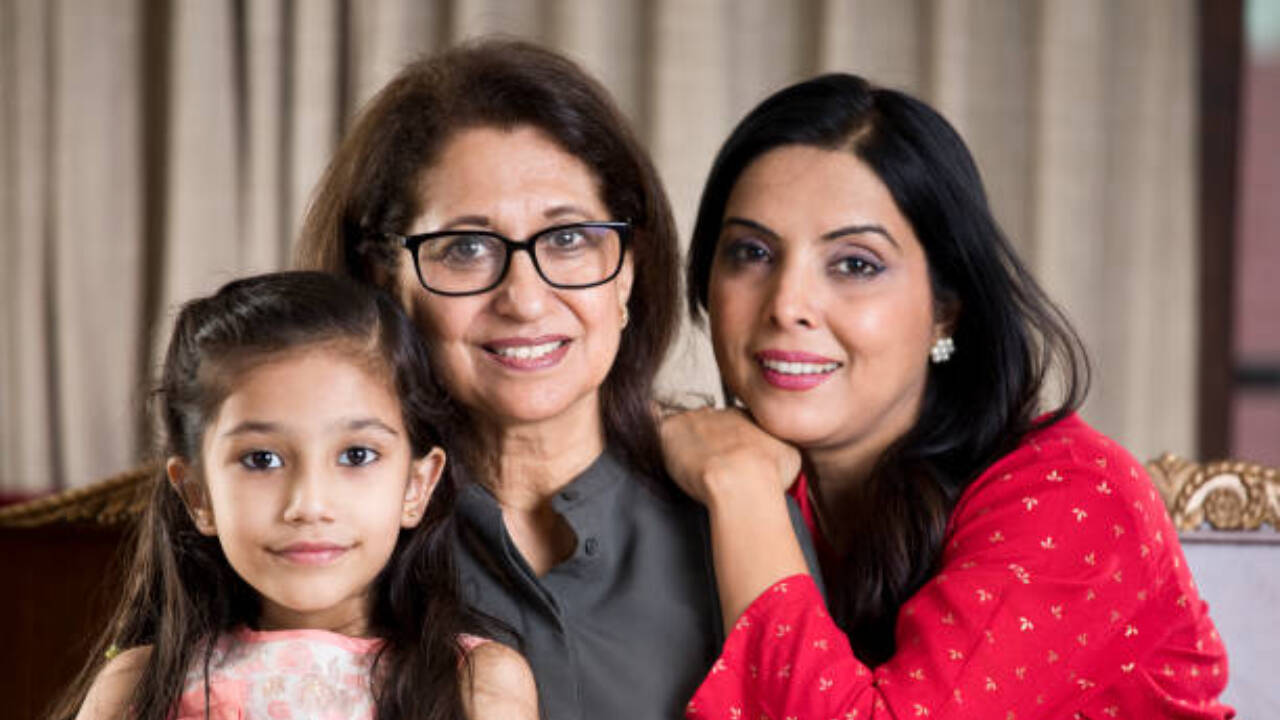
Financial stress complicates the scenario in the same way. Health care fees for an elderly mother and father, combined with young people’s tuition costs, can also put pressure on a family’s stable income.
This often forces people to put off their personal health checks or personal goals, exacerbating a cycle of forgetting that affects long-term well-being.Importantly, the signs of caregiver burnout are usually not obvious. Withdrawal from social sports, constant fatigue, common complications and a sense of helplessness are common signs. These symptoms should now not be left out. Early realization can help prevent more serious mental health conditions.Addressing this silent crisis requires both personal and systemic changes. Families must begin to openly discuss caregiving responsibilities and share them wherever possible. Seeking help, whether through extended family, professional caregivers, or support groups, should be seen as a strength rather than a weakness. Workplaces also have a role to play by offering flexible schedules or employee assistance programs.Equally important is emotional assistance. Caregivers want spaces where they can express their feelings without judgement. Even small steps, along with taking short breaks, maintaining social connections or talking to a counsellor, can make a meaningful difference. From a healthcare angle, there is a growing need to integrate the caregiver wellbeing into routine clinical consultations. Physicians must not most effectively check the affected individual, but additionally take a look at the intellectual and emotional country of the caregiver, and provide guidance when desired. The sandwich generation forms the backbone of many households, but their struggles are regularly left out. Recognizing one's demanding situations is the first step towards creating a more supportive environment. By prioritizing attention, encouraging shared responsibility and promoting intellectual fitness care, it is possible to ease the burden and ensure that people who care for others are also cared for.By Dr. Subashini Sargunan, Senior Consultant Geriatric Psychiatry & Dementia Care, Geri Care








 English (US) ·