

 1 hour ago
6
1 hour ago
6
ARTICLE AD BOX
The Pakistan-brokered temporary ceasefire - after 6 weeks of a brutal war in the West Asia region - was welcomed by India in an official statement in which the government also expressed hope that the truce will lead to a lasting peace in the region.
Stressing that the conflict had already caused immense suffering to people and disrupted global energy supply and trade networks, the Indian government said it expected unimpeded freedom of navigation and global flow of commerce to prevail through the Strait of Hormuz. “As we have continuously advocated earlier, deescalation, dialogue and diplomacy are essential to bring an early end to the ongoing conflict,” said the MEA in a carefully worded statement focused more on the outcome than the means used to achieve it.
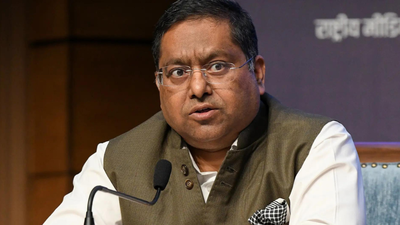
Going a step further, MEA spokesperson Randhir Jaiswal expressed hope that developments in West Asia will encourage peace efforts in Ukraine too.“India has always been in favour of peace. We welcome all steps that lead to peace and stability,” he said. There was no formal acknowledgement of the key intermediary role played by Pakistan, which was credited by both President Donald Trump and Iran for the breakthrough.
However, official sources said India sees the development, which entails a commitment by Iran to open the Strait of Hormuz during the 2-week ceasefire, as a potential catalyst for progress in negotiations for long-term peace in the region. Pakistan PM Shehbaz Sharif has announced that Islamabad will host talks between the US and Iran, beginning April 10. Apart from ensuring the safety and security of the 10-million strong Indian diaspora in the Gulf region, India’s foremost priority in the past several weeks had been to secure safe passage for its LPG tankers through the key energy route to prevent any supply disruptions. India, however, will be wary of any negative fallout on its own downgraded ties with Pakistan from greater international legitimacy for Islamabad that the ceasefire could lead to. India maintains that Pakistan is the fountainhead of global terrorism and refuses to engage with Islamabad till it takes tangible and irreversible action against groups responsible for cross-border terrorism. Trump also hinted after the ceasefire that China too might have played a role in the peace negotiations by urging Tehran to engage with the US.
For India, however, despite its close ties with both sides and its status as a vital stakeholder in the Gulf, active mediation was not an option in line with its decades-old disdain for third-party mediation, especially in ties with Islamabad in which it has always emphasised bilateralism.
External affairs minister S Jaishankar touched upon this at an all-party meeting last month where he said that India, unlike Pakistan, does not have a history of acting as a go-between between countries. He mentioned Pakistan’s role in facilitating clandestine backchannel talks between the US and China in 1971.



 English (US) ·