

 6 days ago
9
6 days ago
9
ARTICLE AD BOX
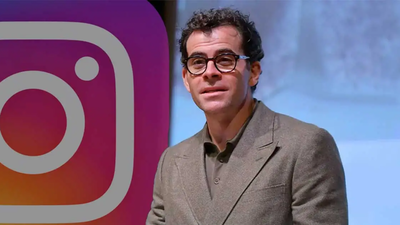
Instagram chief Adam Mosseri is set to testify today in a California courtroom as part of a high-profile civil trial examining whether social media platforms are deliberately designed to be addictive to young, vulnerable users. The trial, which also involves YouTube and Meta—the parent company of Instagram and Facebook—could set a major legal precedent on the responsibilities of tech giants regarding children’s mental health. Opening arguments began earlier this week, with YouTube’s lawyer Luis Li asserting that the Google-owned platform is not social media and therefore cannot be considered addictive. “It’s not social media addiction when it’s not social media and it’s not addiction,” Li told the 12-member jury.
He added that the plaintiff, identified as Kaley G.M., is not addicted to YouTube, citing statements from Kaley, her father, and her doctor. Kaley, now 20, began using YouTube at age six and joined Instagram at 11, later adding Snapchat and TikTok to her social media use. The plaintiffs argue that exposure to these platforms caused severe mental harm. Plaintiffs’ attorney Mark Lanier countered in his opening remarks that both YouTube and Meta intentionally engineered addiction in young users’ brains to boost engagement and profits.
“This case is about two of the richest corporations in history who have engineered addiction in children’s brains,” Lanier said. “They don’t only build apps; they build traps.” Li, in response, drew a distinction between YouTube and platforms like Instagram or TikTok, arguing that YouTube’s appeal is based on high-quality content, not engineered addiction. He compared the service to Netflix and traditional television, highlighting internal emails showing a focus on educational and socially valuable programming. The trial’s first witness, Stanford University School of Medicine professor Anna Lembke, described social media as a drug that exploits developing adolescent brains. She testified that the part of the brain responsible for self-control does not fully mature until around age 25, making teenagers more vulnerable to compulsive use. “Which is why teenagers will often take risks that they shouldn’t and not appreciate future consequences,” Lembke told jurors, citing Kaley’s first use of YouTube at age six as a “gateway” to addictive online behavior. Legal experts note that this case could serve as a bellwether for hundreds of similar lawsuits in the U.S., many of which allege that social media use has contributed to depression, eating disorders, psychiatric hospitalization, and even suicide among children. Plaintiffs’ lawyers are using strategies reminiscent of the 1990s tobacco litigation, which argued that companies knowingly sold a harmful product to vulnerable populations.(With agency inputs)









 English (US) ·