

 1 hour ago
5
1 hour ago
5
ARTICLE AD BOX
Last Updated:June 12, 2026, 19:46 IST
With geopolitical tensions and rising jet fuel costs threatening to disrupt schedules and inflate ticket prices, passengers planning to fly this season should take proactive steps.


The Strait of Hormuz has been a flashpoint earlier in 2026, with intermittent closures already contributing to jet fuel volatility.
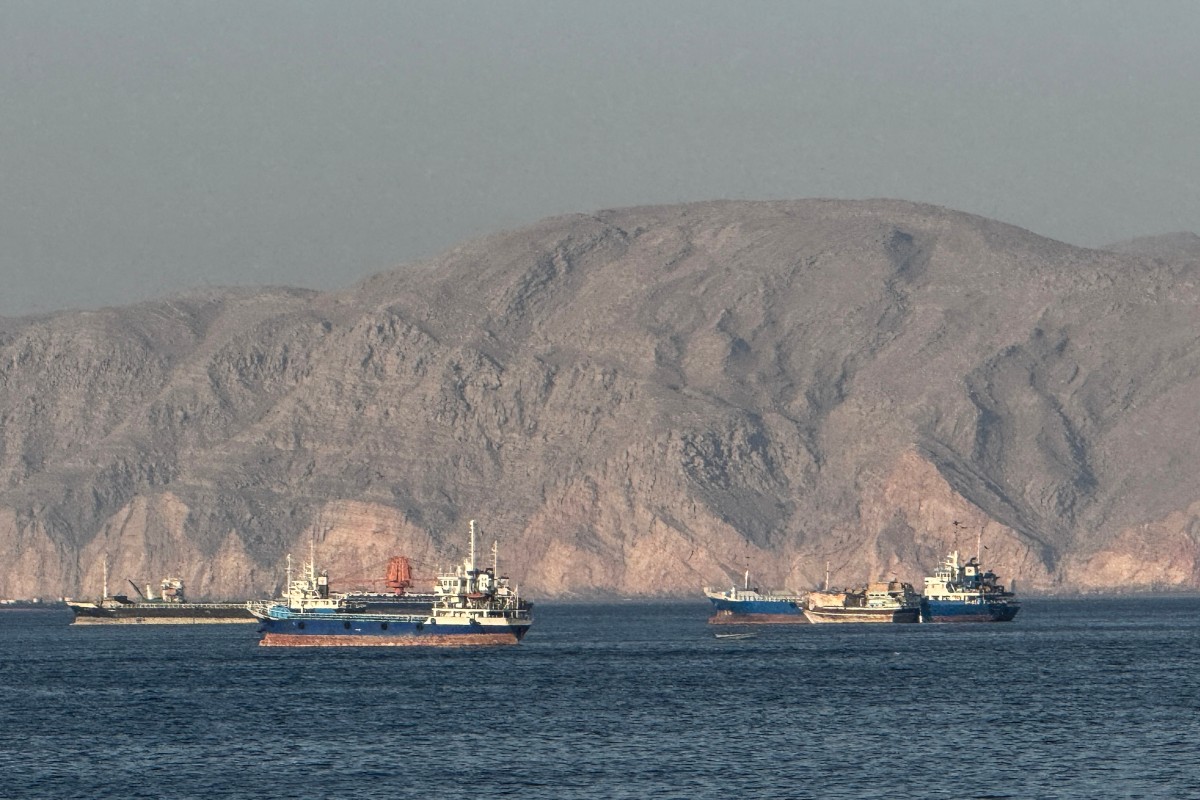
In a dramatic escalation of the ongoing US-Iran conflict, Iran announced the complete closure of the Strait of Hormuz on June 11, 2026, following fresh US strikes. The strategic waterway, which handles about one-fifth of global oil supplies, has been effectively shut to all vessels, including oil tankers and commercial ships, with Iranian forces threatening to target any that attempt passage.
This move has shocked the global energy markets, driving oil and jet fuel prices higher at a critical time for the summer travel season. Aviation experts warn that sustained disruption could lead to significantly higher airfares and reduced flight availability for both international and domestic routes worldwide.
The Strait of Hormuz has been a flashpoint earlier in 2026, with intermittent closures already contributing to jet fuel volatility. The latest full shutdown comes amid heightened tensions, raising immediate concerns for the travel industry already grappling with supply chain strains.
How Will the Strait of Hormuz Closure Affect International Flights?
International long-haul routes are expected to face the brunt of the impact. Airlines may reroute flights to avoid regional airspace risks, increasing flight times and fuel consumption. Major carriers have already begun passing on higher jet fuel costs, with fares on transatlantic and Europe-Asia routes potentially rising 20-30% or more in the coming weeks.
What Should Domestic Travellers in India Expect?
Even domestic flights could see upward pressure on prices as global fuel benchmarks influence local aviation turbine fuel (ATF) costs. In India, where fuel forms a substantial part of airline operating expenses, carriers might introduce fuel surcharges or reduce frequencies on less profitable routes during peak travel periods.
The closure exacerbates an existing jet fuel crisis triggered by earlier disruptions in the region. Jet fuel prices have already surged dramatically since the broader conflict began, doubling in some periods and forcing airlines to cut millions of seats globally for the summer months. Carriers like Lufthansa have slashed thousands of flights, while others have introduced fare hikes to offset costs.
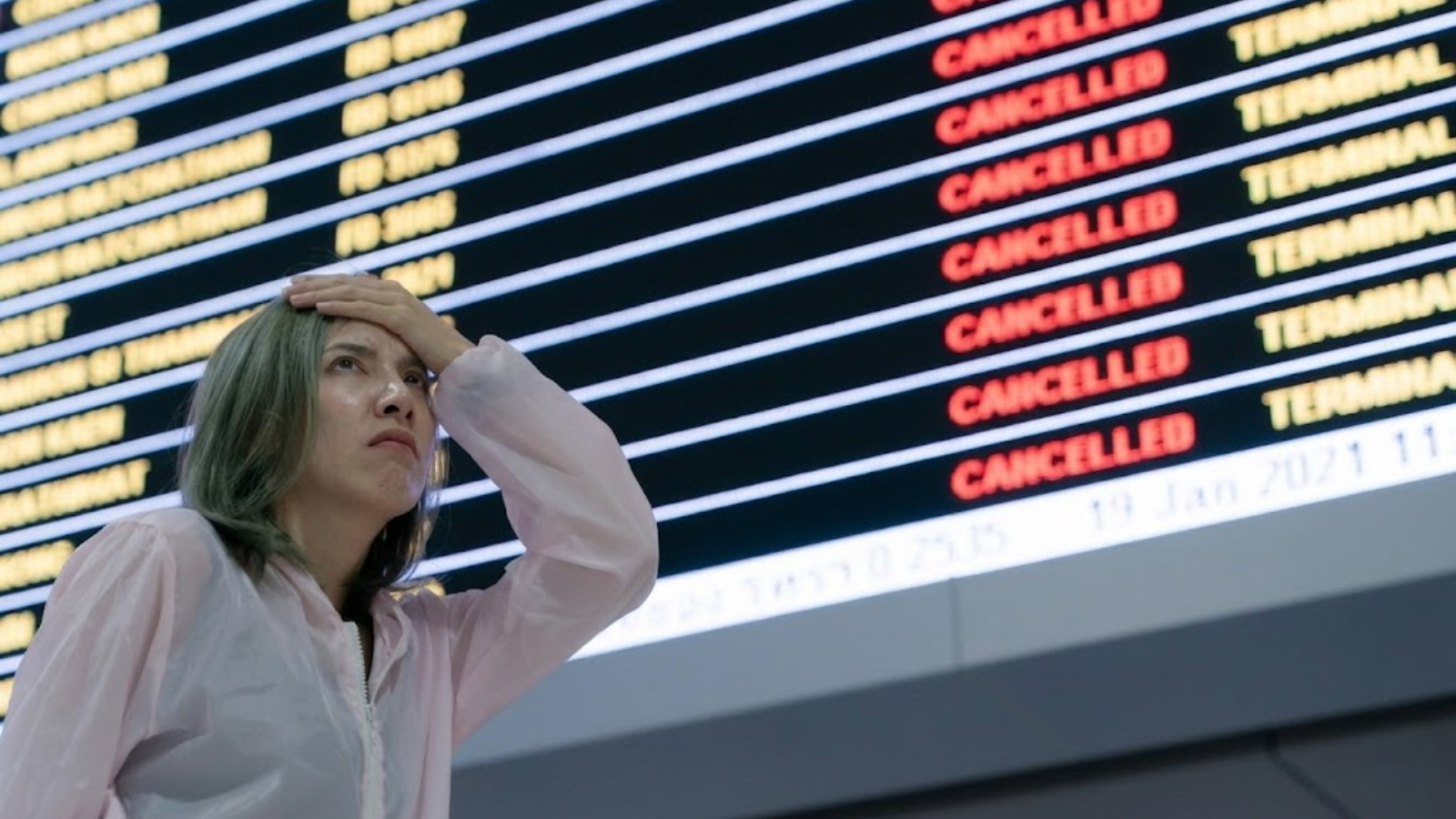
For travellers planning summer holidays, the situation adds uncertainty. Industry analysts predict potential flight cancellations, especially on routes dependent on Middle Eastern fuel supplies or those passing near affected zones. Passengers are being advised to check travel insurance policies for conflict-related coverage and consider flexible booking options.
Recent updates as of June 12, 2026, indicate that while some diplomatic efforts continue, shipping traffic through the strait remains at a near standstill, with oil prices climbing above $90-100 per barrel in response. This directly feeds into aviation fuel costs, which typically account for 25-30% of airline expenses.
Essential Tips for Air Travellers Amid US-Iran Tensions
Travel experts recommend monitoring official advisories from bodies like the DGCA in India and considering alternative destinations or modes of transport for shorter trips. Some airlines are offering rebooking flexibility, but last-minute changes could be expensive. The situation remains fluid, with potential for de-escalation or further volatility depending on geopolitical developments.
With geopolitical tensions and rising jet fuel costs threatening to disrupt schedules and inflate ticket prices, passengers planning to fly this season should take proactive steps to secure their plans.
Book as Early as Possible: Jet fuel prices are directly driving up aviation costs. Secure your tickets well in advance to lock in current rates before airlines introduce fresh fuel surcharges or general fare hikes.
Opt for Flexible or Refundable Tickets: Given the fluid situation in international airspace, choose flexible booking options that allow free changes or cancellations. Paying a slightly higher base fare now can save you significant last-minute change fees later.
Review Your Travel Insurance Policies: Double-check your policy or purchase comprehensive travel insurance. Ensure it specifically covers “geopolitical conflict," “airspace closures," or “carrier cancellations" rather than just basic medical or luggage delays.

Fly Direct Whenever Feasible: Rerouting is primarily affecting multi-leg journeys and long-haul international layovers in or near the Middle East. Direct flights reduce the risk of getting stranded or facing cascading delays at connecting hubs.
Monitor Flight Statuses Vigilantly: Download your airline’s official app and turn on real-time notifications. Check your flight status 48 to 72 hours before departure to catch any proactive schedule changes or flight reductions early.
Consider Shorter Journeys or Alternative Transports: For domestic or regional travel, look into alternative options like high-speed rail. For leisure travel, shifting to closer “staycation" or domestic destinations can help you avoid the brunt of international fare hikes.
Handpicked stories, in your inbox
A newsletter with the best of our journalism
News lifestyle travel Iran Closes Strait Of Hormuz Completely: Will International and Domestic Flights Become Costlier?
Disclaimer: Comments reflect users’ views, not News18’s. Please keep discussions respectful and constructive. Abusive, defamatory, or illegal comments will be removed. News18 may disable any comment at its discretion. By posting, you agree to our Terms of Use and Privacy Policy.








 English (US) ·