

 1 hour ago
6
1 hour ago
6
ARTICLE AD BOX
Last Updated:April 09, 2026, 02:07 IST
The move came amid growing disputes over the terms of the ceasefire, particularly following Israeli strikes on Hezbollah targets in Lebanon.


The Strait of Hormuz, a critical chokepoint between Iran and Oman, handles roughly a fifth of the world’s oil supply.
Hormuz Closure: Less than 24 hours after US President Donald Trump announced a ceasefire with Iran, Tehran has shut down the Strait of Hormuz over alleged ceasefire violations, forcing oil tankers to turn back and sharply escalating tensions in the region.
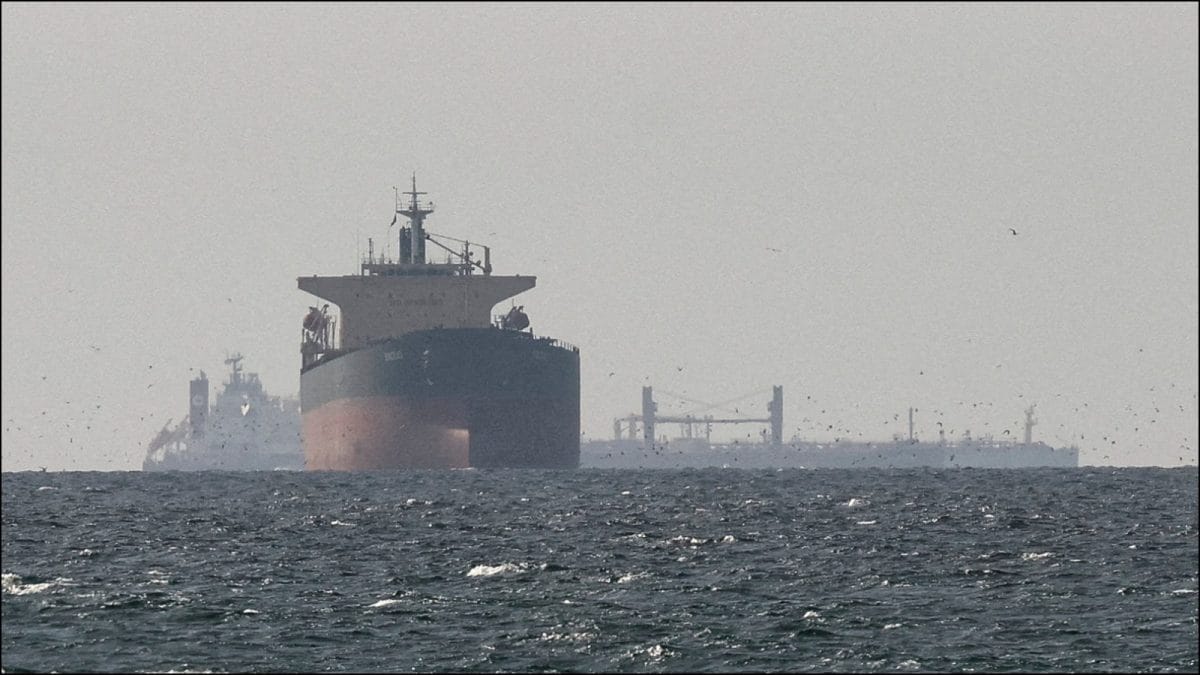
Maritime tracking data showed multiple vessels reversing course near the narrow waterway, including the oil tanker AUROURA, which made a sudden U-turn near the Musandam coast and headed back into the Persian Gulf, Iran’s Press TV reported.
Iran’s Fars News reported that the passage of oil tankers through Hormuz was halted while shipping sources told Reuters that several vessels stuck in the strait have received notification from the Iranian Navy that the waterway is still closed.
Meanwhile, the United States has strongly reacted to Iran’s move, with White House Press Secretary Karoline Leavitt calling the closure of the Strait of Hormuz “completely unacceptable" and urging Tehran to reopen the vital waterway “immediately, quickly and safely."
“I will reiterate the president’s expectation and demand that the Strait of Hormuz is reopened immediately quickly and safely," she said.
The move came amid growing disputes over the terms of the ceasefire, particularly following Israeli strikes on Hezbollah targets in Lebanon. Iran has signalled that the closure is a response to continued military action in the region.
Iranian Parliament Speaker Mohammad Bagher Ghalibaf accused the United States of violating key provisions of a proposed 10-point negotiation framework even before talks could begin. He cited breaches related to a ceasefire in Lebanon, violations of Iranian airspace, and denial of Tehran’s right to uranium enrichment.
“The very basis for talks has been clearly violated even before negotiations began," Ghalibaf said, adding that under such conditions, further negotiations would be “unreasonable."
Foreign Minister Seyed Abbas Araghchi also issued a warning, saying Washington must choose between maintaining the ceasefire or continuing the conflict through Israeli operations. “The US must choose—ceasefire or continued war via Israel. It cannot have both," he said.
The move came after Israeli Prime Minister Benjamin Netanyahu stated that the ceasefire with Iran does not extend to Hezbollah, confirming that Israeli military operations in Lebanon would continue.
Soon after the ceasefire announcement by Trump, Israel launched one of its largest air offensives in Lebanon, with around 50 fighter jets striking nearly 100 targets across the country.
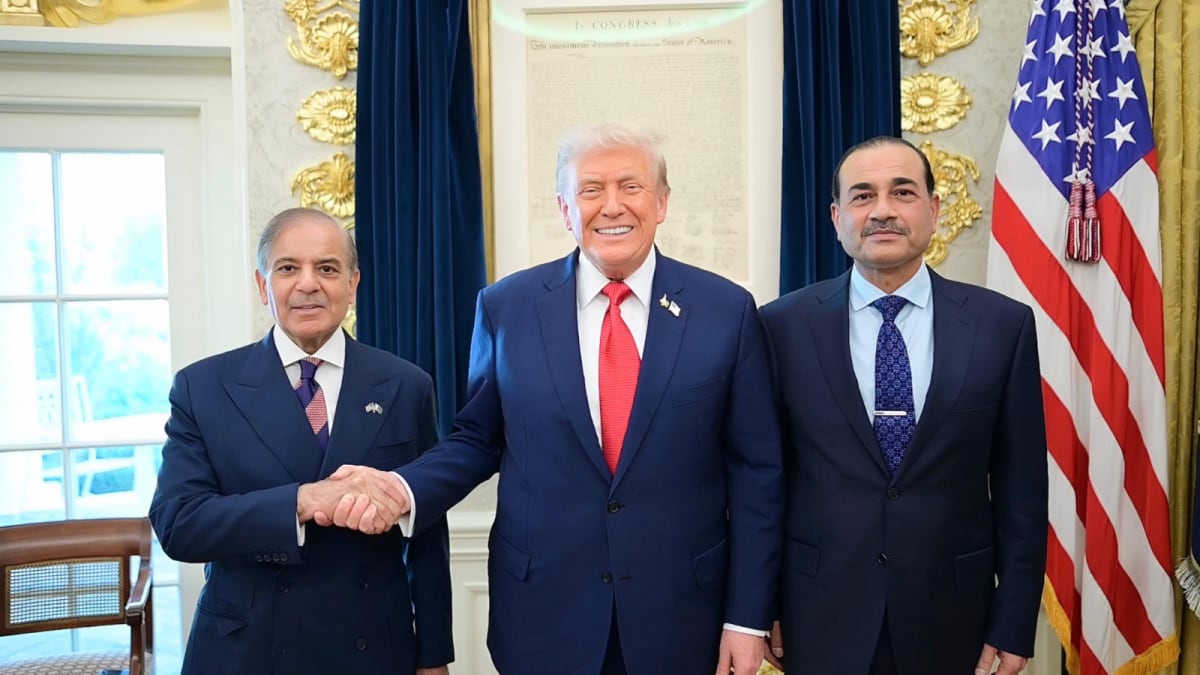
Pakistan’s Prime Minister Shehbaz Sharif, who is mediating talks, had earlier said the ceasefire should apply “everywhere," including Lebanon. However, conflicting interpretations of the agreement have complicated efforts to stabilise the situation.
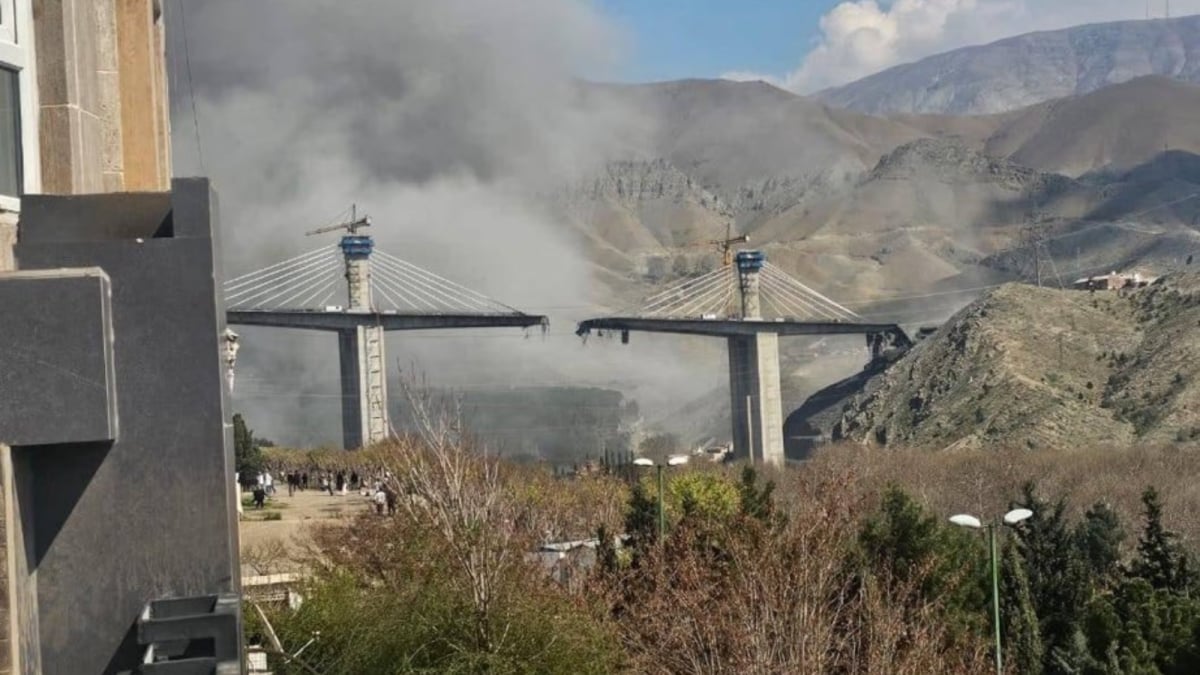
On the ground, the Lebanese army said that it had closed a key bridge in the south after receiving an Israeli threat to target it, underscoring the continued volatility along the Israel-Lebanon front.
The Strait of Hormuz, a critical chokepoint between Iran and Oman, handles roughly a fifth of the world’s oil supply. Its closure has raised fresh concerns over global energy markets and the stability of the already fragile ceasefire.
First Published:
April 09, 2026, 02:07 IST
News world Iran Shuts Strait Of Hormuz Over Alleged Ceasefire Violation, White House Says ‘Unacceptable’
Disclaimer: Comments reflect users’ views, not News18’s. Please keep discussions respectful and constructive. Abusive, defamatory, or illegal comments will be removed. News18 may disable any comment at its discretion. By posting, you agree to our Terms of Use and Privacy Policy.
Read More





 English (US) ·