

 4 days ago
8
4 days ago
8
ARTICLE AD BOX
While gold historically served as a safe haven, 2026 sees a shift towards industrial metals like copper and uranium. Driven by electrification, AI, and energy security concerns, these critical materials are outperforming traditional commodities. Governments' focus on secure supply chains further bolsters their strategic importance.
Gold has long been the go-to safe haven, a timeless store of value through wars, recessions, and inflation spikes. Investors have always looked forward to it for stability when stocks wobble or currencies weaken, and 2025 saw an all time high of Gold prices amid geopolitical tensions and rate cut hopes.
But as we sail through 2026, there is a visible shift of interest polarising towards industrial metals and rare earth elements like copper, uranium, lithium, and silver. Why?
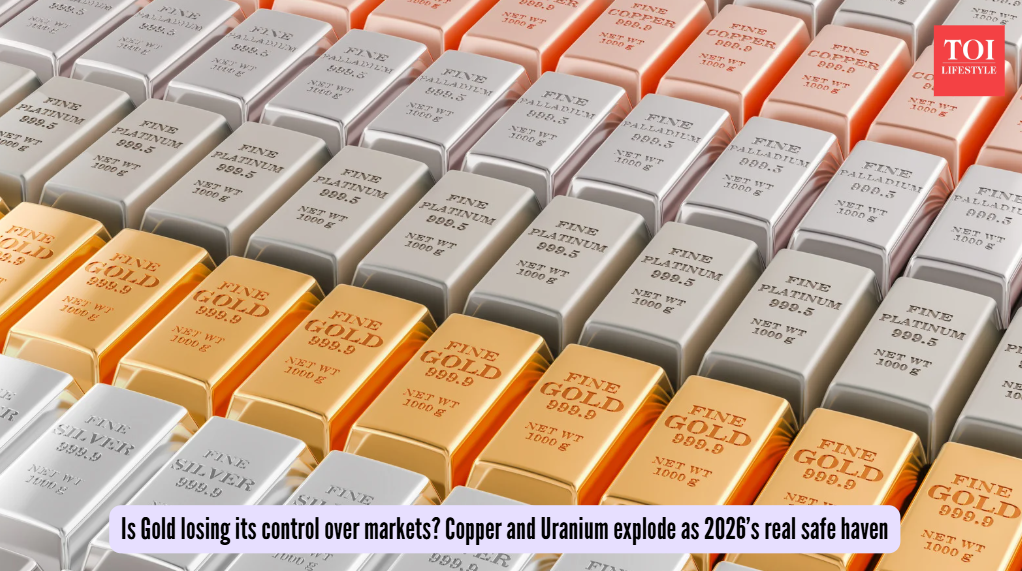
Is Gold losing its control over markets? Copper and Uranium explode as 2026’s real safe haven (Representative Image)
So are Copper and Silver the new Gold?
The world isn't just hiding from risk anymore; it's building the future with AI data centers, electric grids, and green energy. Governments are spending big on secure supply chains, deglobalization is fragmenting trade, and tech demands are exploding for materials gold can't provide.
But this isn't Gold losing its shine; it's a smart change where strategic scarcity beats simple hedging.
Time for critical metals?
Over the previous year, critical materials have performed better than traditional resource equities. For example, since its April 2025 lows, the Sprott Key Materials ETF (SETM), which seeks to offer "pure-play" exposure to businesses engaged in the mining, manufacturing, and recycling of key materials, has outperformed broad benchmarks.
SETM focuses on important metals that are necessary for today's demands, such as copper, uranium, lithium, rare earths, and silver. This indicates a fundamental shift away from the bulk commodities of previous cycles and toward assets associated with electrification. This disparity is seen in data from 2021 to 2026.
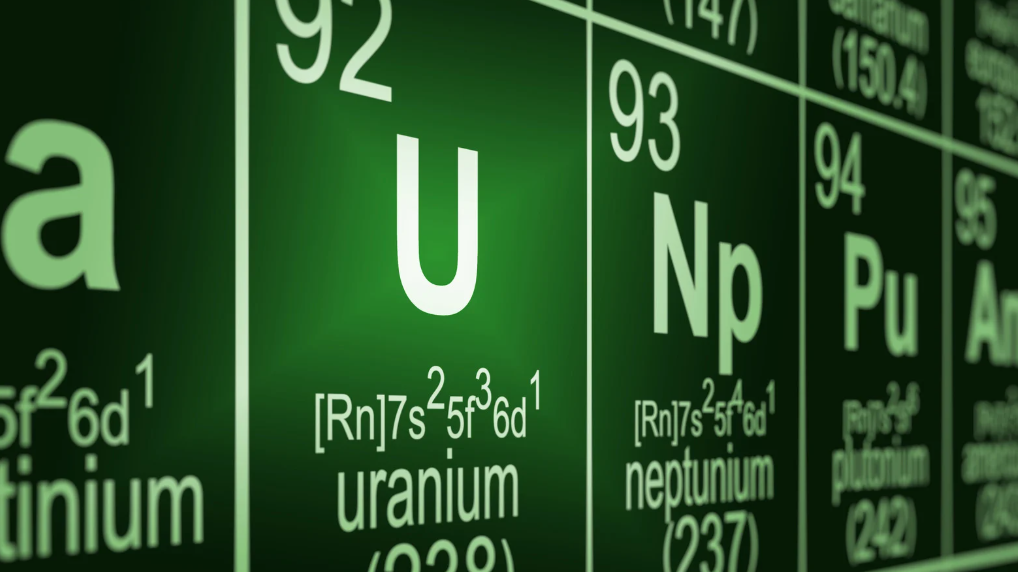
Representative Image
Copper leads the charge
Due to limited supply and its essential functions in electric vehicles, data centers, and power grids, copper is outperforming bulk commodities like iron ore and metallurgical coal.
According to the Sprott research, today's demands are more focused on electrification and transmission upgrades than they were on city expansion in the 2000s, which favors committed copper producers over diverse miners.
Uranium rises on security
According to the Sprott report, Uranium beats oil due to its tight supply and rising need for steady baseload power, with energy security taking priority over green aims. Nuclear's compact power and homegrown potential make it ideal amid threats like Venezuela or Iran cutoffs. Utilities are signing long-term deals, extending plant lives, and starting new projects. Spot uranium prices have topped Brent oil since 2021, matching policy shifts.









 English (US) ·