

 6 days ago
8
6 days ago
8
ARTICLE AD BOX
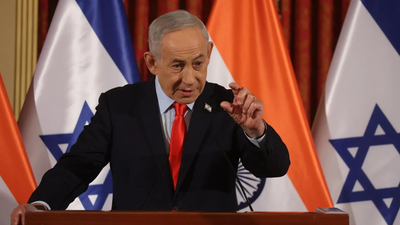
With no end to war in sight any time soon, Israel boosted its defence budget by NIS 32 billion (over $ 10 billion), in a bid to "continue the campaign and achieve victory"."An additional NIS 32 billion for defense – to provide the IDF and the security establishment with all the tools needed to continue the campaign and achieve victory," Israeli PM Benjamin Netanyahu said in a post on X on Tuesday.
Israel’s defence spending has risen steadily since the Gaza war erupted following Hamas’s October 7, 2023 attack, driving a sharp increase in military expenditure.Defence accounts for the largest share of the budget at 143 billion shekels—around 120% higher than pre-war levels in 2023. An additional 6 billion shekels has been set aside in reserves for potential costs linked to the Iran war and other military needs, taking the extra defence allocation to at least 38 billion shekels, or roughly 2% of GDP, Bloomberg reported.The additional funds are primarily intended to restock Israel’s military supplies and cover payments for reserve troops. Alongside its campaign in Gaza and the ongoing conflict with Iran, Israel has also been engaged in fighting the Iran-backed Hezbollah group along its northern border in southern Lebanon.The spike in defence spending has resulted in a three per cent reduction across all other government ministries, a move strongly criticised by main opposition leader Yair Lapid.
One month of war: What's going on
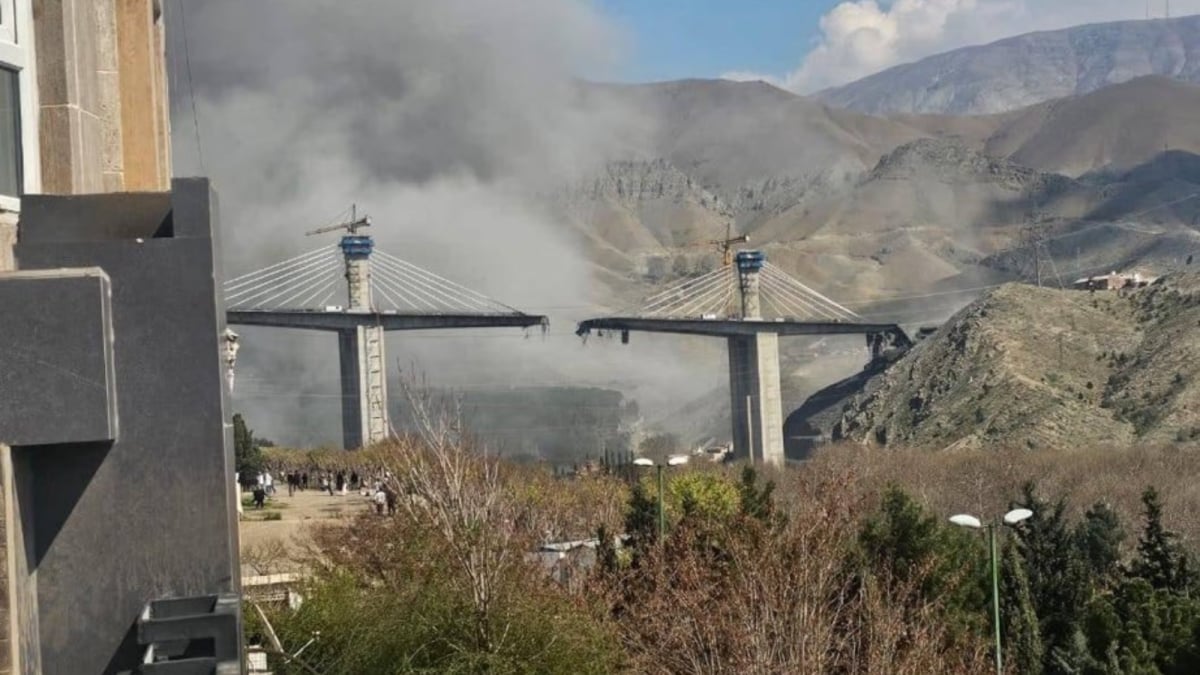
The war between the United States, Israel and Iran has entered a volatile and expanding phase, with strikes now hitting multiple Iran's nuclear sites, with Isfahan being the recent one. Explosions and power outages in parts of Tehran underline the growing disruption to daily life, even as residents attempt to maintain a sense of normalcy amid heightened security and uncertainty.
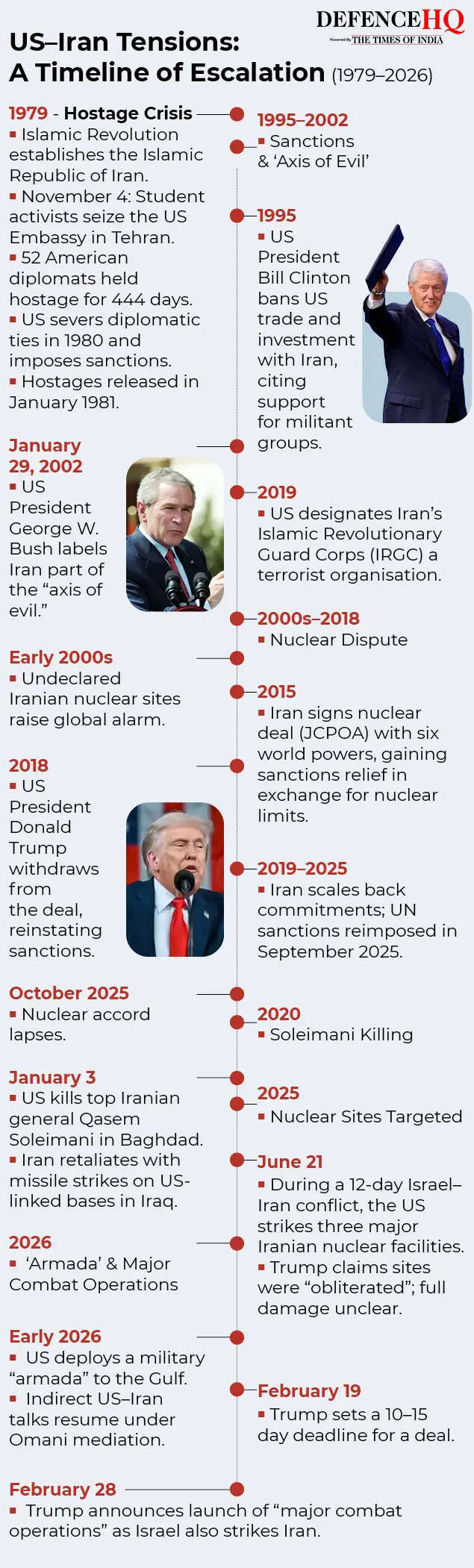
Though US President Donald Trump has said that talks with Iran are going "very well", the conflict has increasingly spilled across the wider region.
Air defence systems were activated in Jerusalem and near Riyadh, while blasts were reported in Dubai and near Erbil in northern Iraq. Israel has also reported casualties from missile attacks and ongoing fighting with Hezbollah in southern Lebanon, signalling that the war is no longer confined to a single front but has evolved into a broader regional confrontation. At the same time, the economic fallout has intensified, particularly around energy markets.
Attacks on oil infrastructure and tankers, along with Iran’s continued control over the Strait of Hormuz, have disrupted global shipping routes and pushed oil prices higher. Tehran has tightened its grip on the key maritime chokepoint, even considering new tolls and restrictions on vessels linked to the US and Israel, adding to volatility in global markets.While Trump has threatened further strikes on Iran’s energy infrastructure, reports suggest he is also open to ending the conflict without fully reopening Hormuz. Iran, meanwhile, has signalled willingness to engage through intermediaries such as Pakistan, even as it resists pressure on key demands. With no clear timeline for de-escalation, the conflict remains fluid, with military, economic and diplomatic fronts all in play.





 English (US) ·