

 37 minutes ago
5
37 minutes ago
5
ARTICLE AD BOX
Experts say feeding sweets to monkeys at Jaipur's Galtaji temple is causing hyperkeratosis among them. Officials are warning devotees and moving infected animals for treatment as the disease spreads.
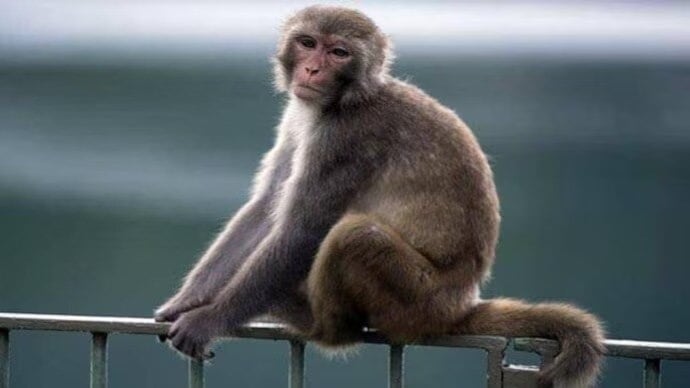
A large number of monkeys in and around the popular pilgrimage site are suffering from hyperkeratosis. (File Photo: ITG)

Jaipur,UPDATED: Jul 12, 2026 18:11 IST
Feeding monkeys sweets as part of religious practice is leading to the spread of a serious skin disease among them at Jaipur's Galtaji temple, experts have warned. A large number of monkeys in and around the popular pilgrimage site are suffering from hyperkeratosis, a condition marked by hair loss, cracked skin, bleeding wounds and difficulty in movement.
Locals said the condition has spread rapidly in the area, with several monkeys unable to walk, jump or climb trees as their health worsens. Forest officials said awareness measures are being taken, while teams are also trying to catch infected animals and shift them to the Jaipur zoo for treatment.
Also known as the 'monkey temple', the 18th-century Galtaji Mandir is built from pink sandstone and is known for its natural freshwater springs and large population of macaques and langurs. Senior wildlife veterinarian Ashok Tanwar said monkeys on the temple premises are suffering from hyperkeratosis, mainly because their diet has changed due to human feeding habits.
"Red-faced monkeys are affected by hyperkeratosis, which creates a condition similar to severe skin dryness seen in humans," Tanwar told PTI. He said the disease is spreading because of excessive feeding of sweets, with most cases seen among monkeys living around the temple. "Due to changes in diet, the skin becomes dry and cracks because of a lack of moisture," he said. Calling the condition treatable, he said, "Since 2020, many such monkeys have been treated successfully."
Tanwar said, "People feed monkeys chana, makhana and laddoos. Regular consumption of such food leads to allergies and skin problems. If monkeys are allowed their natural diet and live in their natural environment, they can recover in most cases." Wildlife experts said monkeys naturally eat roots, fruits, vegetables and leaves, but religious sentiment often leads people to offer sweets and processed food, causing long-term damage to their health.
Regional Forest Officer Jitendra Singh Shekhawat said, "We regularly conduct awareness campaigns to tell people not to feed sweets, makhana or processed food to monkeys and langurs. They should be left on their natural diet." He said warning boards have been put up in and around the temple. Forest officials said catching monkeys for treatment is difficult because of their agility, so municipal corporation teams have been brought in to help catch infected animals and move them for treatment.
Wildlife enthusiast Rohit Gangwal said many devotees unknowingly harm the animals. "People feed monkeys laddoos, biscuits and even ice-cream, which they cannot digest due to their excessive sugar content. The disease spreads from one monkey to another," he said. Experts warned that unless people stop feeding monkeys such food and allow them access to their natural diet, the disease could spread further and seriously threaten the population around Galtaji.
- Ends
With PTI inputs
Published By:
India Today Web Desk
Published On:
Jul 12, 2026 18:11 IST








 English (US) ·