

 58 minutes ago
6
58 minutes ago
6
ARTICLE AD BOX
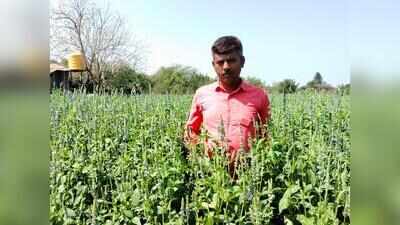
Farmer Manoj Ekhande at his farm with his chia crop
Chhatrapati Sambhajinagar: In Marathwada, the monsoon is more than a season. It is often the difference between stability and debt. And when the rain fails, or arrives with devastating excess, the consequences travel far beyond farm boundaries.
In 2025, eight districts of this parched region recorded 1,129 farmer suicides. Jalna alone accounted for 90.Now, Jalna is attempting something unusual.Faced with recurring crop losses, mounting debt and farmer suicides, the Jalna district administration has launched an ambitious experiment that seeks to intervene before distress deepens into tragedy.Rather than waiting to announce compensation after crops are damaged, district collector Ashima Mittal has launched a district-wide campaign, urging each of Jalna's 970 villages under 778 gram panchayats to set aside at least 20 acres for high-value, low-water crops such as chia seeds, mulberry, linseed, white musli, shatavari and sericulture.
Jalna district collector Ashima Mittal has launched an ambitious district-wide campaign to persuade each of Jalna's 970 villages under 778 gram panchayats to dedicate at least 20 acres to high-value, low-water crops such as chia seeds, mulberry, linseed, shatavari and sericulture.
The idea is simple, but transformative. If farmers can move away from low-return, weather-sensitive crops and adopt alternatives that fetch higher incomes while using less water, they may be able to withstand the increasingly erratic climate that has battered Marathwada for years. And if every village embraces even 20 acres of change, officials believe the impact could transform farming across one of Maharashtra’s most drought-prone districts.
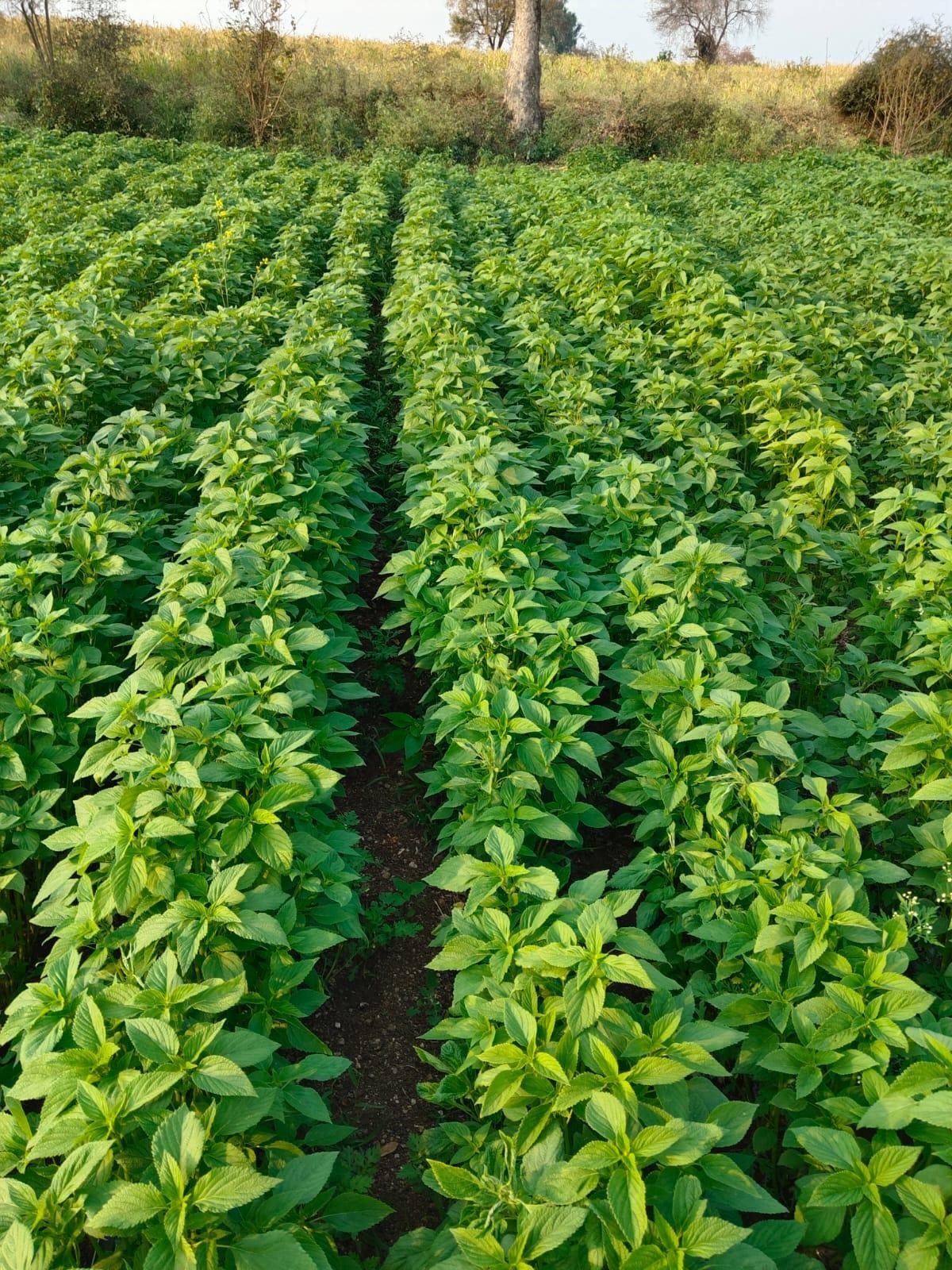
The urgency is difficult to miss. Consecutive years of unpredictable weather have shaken Jalna’s agricultural economy. Last year, excessive rainfall and cloudbursts damaged standing crops across parts of Maharashtra. This year, anxieties have shifted in the opposite direction, with fears of deficient rainfall and drought. Repeated crop failures have left many farmers trapped in a cycle of losses, mounting debt and, in several tragic instances, suicides.Mittal says the challenge is not merely agricultural but psychological.“The biggest challenge is not introducing a new crop, but changing a mindset,” Mittal told TOI. “Most farmers continue cultivating soyabean because generations before them did the same. We held workshops with taluka agriculture officers to identify crops that require nearly the same time, effort and investment but offer substantially higher returns.”Nearly 950 acres have already been brought under alternative crops. Between Dec 2025 and March 2026, chia seed cultivation touched the highest acreage recorded in Jalna’s history.Officials say the strongest argument comes from basic economics. A four-month soyabean crop cycle often leaves farmers with profits of barely Rs 10,000 per acre. In contrast, crops such as chia seeds, linseed, shatavari and sericulture can potentially generate returns of about Rs 1 lakh per acre under favourable conditions.
Just as importantly, officials say farmers who shifted to these alternatives have not reported crop failures despite increasingly unpredictable weather patterns.For many cultivators, the shift has been nothing short of transformative.
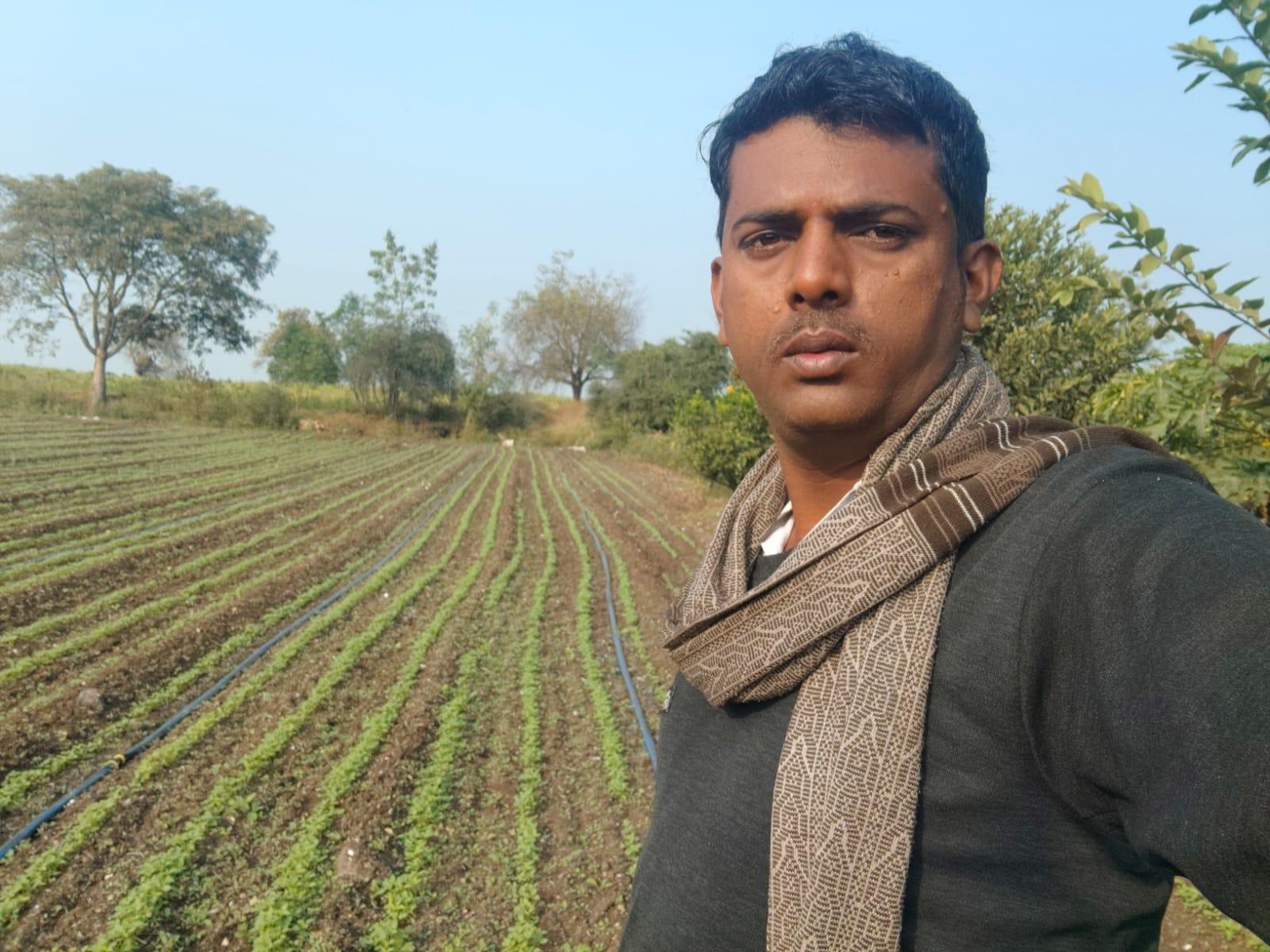
Jalna district collector Ashima Mittal has launched an ambitious district-wide campaign to persuade each of Jalna's 970 villages under 778 gram panchayats to dedicate at least 20 acres to high-value, low-water crops such as chia seeds, mulberry, linseed, shatavari and sericulture.
In Kumbhari village of Badnapur tehsil, Manoj Ekhande farms three acres with his mother and younger brother. They spent years depending on conventional crops, only to watch profits disappear under the weight of cultivation costs and weather shocks.
“More than half of whatever we earned went back into cultivation costs,” he said.This season, Ekhande invested only Rs 5,000 per acre in chia seeds. The crop yielded an average of five quintals per acre. He sold 10 quintals in Washim market at Rs 20,000 per quintal. Then, instead of selling rest of his produce wholesale, Ekhande began packaging chia seeds himself and selling them directly at Rs 500 per kg, earning even better margins.A similar transition has unfolded in Pimparkheda village of Mantha tehsil. Prabhakar Kharabe once cultivated soyabean on his four-acre farm. Production costs ranged between Rs 15,000 and Rs 20,000 per acre, while yields averaged around 10 quintals, fetching nearly Rs 5,000 per quintal.After shifting three acres to chia cultivation, he harvested nearly 11 quintals per acre and sold the produce in Washim. The encouraging returns have convinced him to think even bigger.
Kharabe has now ventured into white musli, a medicinal crop that demands an investment of about Rs 1.4 lakh per acre but can yield more than three quintals in five months. At prevailing market prices, the crop can fetch up to Rs 1.5 lakh per quintal.For Jalna’s administration, these farmers represent more than individual success stories. They are evidence that climate resilience may not always arrive through larger relief packages, loan waivers or emergency interventions.
Sometimes, it may begin with a different crop.The district’s 20-acre model will not eliminate the uncertainties of farming overnight. Convincing generations of farmers to abandon familiar crops remains an enormous challenge. Markets can fluctuate, risks remain and scaling the experiment across hundreds of villages will test both administrative resolve and farmer confidence.Yet amid the anxieties of another uncertain monsoon, Jalna’s fields are offering some optimism. In a region where agriculture is too often measured through drought statistics and suicide figures, a quiet shift is underway — away from survival and towards adaptation.








 English (US) ·