

 1 hour ago
7
1 hour ago
7
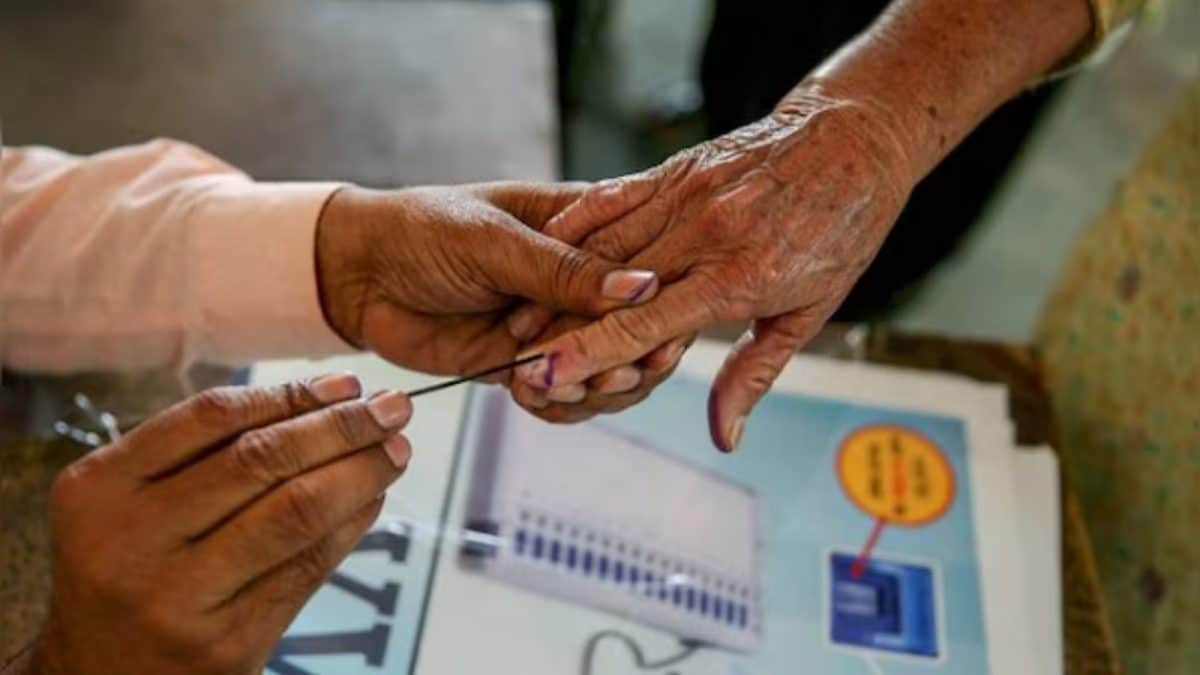
As Kerala heads to the polls on April 9, 2026, a glaring paradox looms over the State. This is a land defined by migration. For generations, lakhs of Keralite families have built their homes, hopes, and futures on the salaries earned by sons, husbands, brothers, and fathers in the Gulf. The remittance economy is not a side story in Kerala’s development; it is the story.
Lifeline under threat
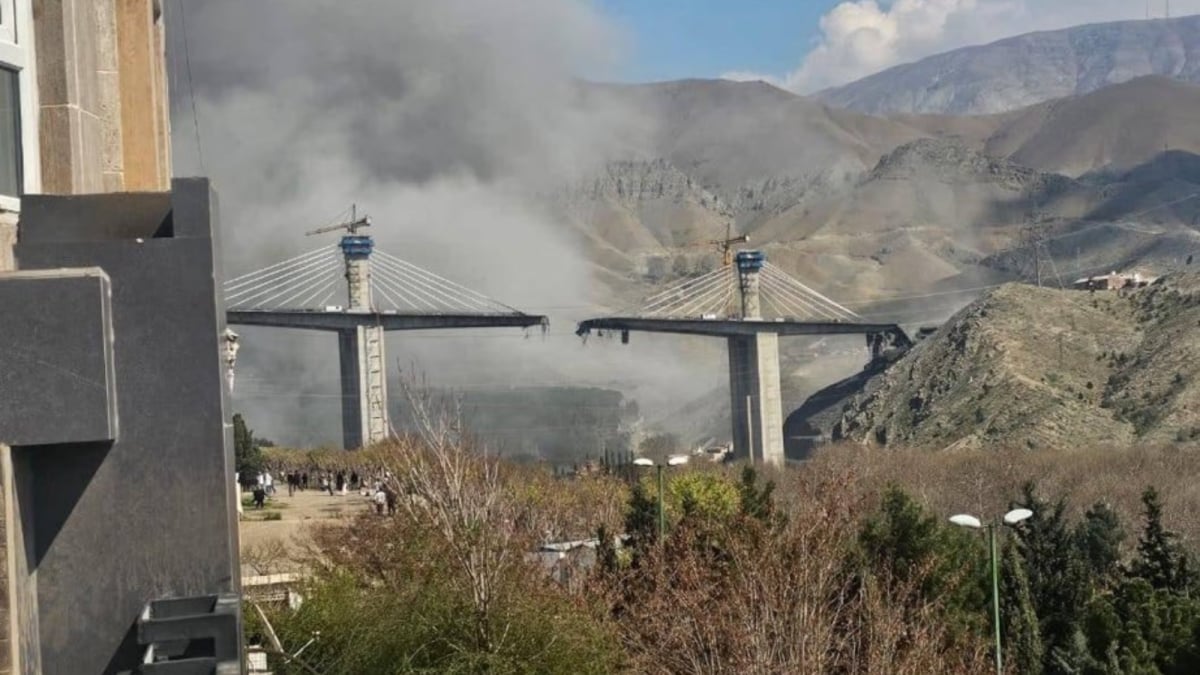
Today, that same lifeline is under threat. Since late February, the escalating Iran-U.S.-Israel conflict has turned Gulf airspace into a dangerous theatre of missiles, drones, and interceptors. Airports in Dubai have been hit. Missile debris has landed in residential areas of Manama. Air routes have been suspended, forcing thousands of Indians into exhausting overland journeys through Saudi Arabia.
Indian workers have reported watching drone strikes from their apartment windows. Constant safety alerts and sirens restrict their movements. Many have been forced to stop work without clarity on whether the leave is paid or unpaid. Companies are openly warning workers that salaries will be delayed, halved, or withheld until the crisis ends. Recently hired workers are also being terminated.
Also read | West Asia conflict: Call for adopting short-and long-term measures to reduce impact of crisis
Over 2.2 million Keralites live and work in the Gulf. Yet this war is almost absent from the election campaign. Neither the Communist-led Left Democratic Front nor the Congress-led United Democratic Front has issued any serious policy statement on the crisis. Kerala’s political class continues to treat the Gulf as Delhi’s foreign policy matter, even though it is the most critical domestic issue for the State.
Why has this life-and-death crisis failed to become a poll issue? The answer lies in two uncomfortable truths.
First, a powerful narrative of false reassurance has been carefully built. In the Gulf, Indian businessmen with vested interests, along with large sections of the Kerala media, keep repeating the phrase Kullu Thamam (All is well). Gulf governments ‘announcing’ investments, businessmen saying no panic, and Kerala media outlets reliant on Gulf advertising downplay the crisis, focusing on safety systems while ignoring wage cuts, food prices, and growing fear.
But Kullu Thamam is a dangerous half-truth. Small business owners are struggling to pay wages, parents are worried about children’s education, and low-paid workers are facing sharply higher prices for Indian vegetables due to disrupted supply routes.
Illusion of calm
Second, currently, most families continue to receive their monthly remittances. As long as the cash flows, the distant war feels like someone else’s problem. But this calm is deceptive and dangerously so.
Also read | West Asia crisis: Kerala launches counselling support to expats, families back home
In 2023-24, Kerala received $23.4 billion in inward remittances, the second-highest among Indian States after Maharashtra. Yet the real story lies in how deeply these inflows sustain the State. Remittances account for a staggering 17.1% of Kerala’s GDP, the highest share among major Indian States and more than three times Maharashtra’s 5%. By comparison, the national average stands at just around 3%.
This is not just another economic statistic. It means that nearly one-fifth of Kerala’s entire economy is directly powered by money sent from the Gulf. Entire towns and villages, real estate booms, gold sales, educational institutions, and daily consumption all float on these remittances. When that lifeline falters, the impact will not be gradual. It will be swift and brutal.
The real shock is coming. When companies invoke force majeure clauses, when construction projects stall, when visa renewals freeze, and recruitment stops, the impact will reach Kerala within weeks. If the conflict drags on, and all signs suggest it will, April and subsequent months will bring severe uncertainty.
When that moment arrives, the illusion of Kullu Thamam will collapse. Kerala’s political leaders will realise too late that the State’s biggest economic crisis was unfolding in plain sight while they were busy with seat-sharing and personal attacks.
The Keralites in the Gulf are not just a diaspora to be celebrated at NRK events and airport welcomes. They are the backbone of Kerala’s economy. Their crisis is Kerala’s crisis. This election is the time to acknowledge that reality, before it is too late.
Rejimon Kuttappan is a labour migrant rights expert




 English (US) ·