

 14 hours ago
9
14 hours ago
9
ARTICLE AD BOX
Last Updated:April 07, 2026, 18:18 IST
In the final 72 hours of campaigning, the shadow of the conflict in West Asia moved from a secondary talking point to the primary narrative for Kerala's April 9 election


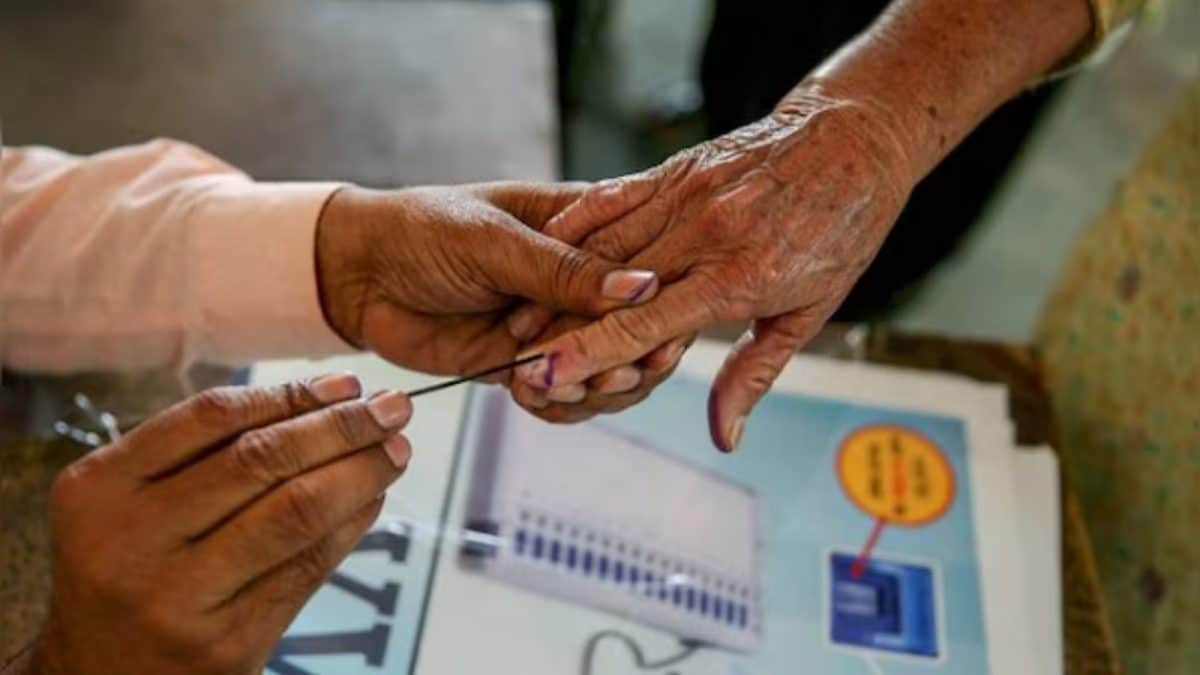
As the campaigning ends, a cloud of uncertainty hangs over the 'Pravasi' (expatriate) vote. Representational pic/PTI
The cacophony of high-decibel rallies, “Kalasakottu" processions, and intensive roadshows across Kerala officially drew to a close on Tuesday evening. This marks the beginning of the mandatory 48-hour “silent period" before the state heads to the polls for a high-stakes single-phase assembly election on Thursday. For a state known for its high voter literacy and deeply entrenched political allegiances, the 2026 campaign has been one of the most unpredictable in recent history, defined more by global economic anxieties and the entry of new political disruptors than by traditional local grievances.
As the static of the loudspeakers fades, the focus shifts to the “silent influence" phase, where party workers engage in door-to-door canvassing to ensure every registered voter reaches the booth. With 140 constituencies up for grabs, the results will determine if the Left Democratic Front (LDF) can secure a historic third consecutive term or if the United Democratic Front (UDF) can reclaim its traditional alternating power cycle.
How has the West Asia conflict altered the final campaign stretch?
In the final 72 hours of campaigning, the shadow of the conflict in West Asia moved from a secondary talking point to the primary narrative. Kerala, a state that receives over Rs 2.1 lakh crore in annual remittances, is facing a projected 20% dip in income due to maritime blockades in the Gulf. This economic “shockwave" forced all major alliances to pivot their manifestos towards “livelihood security".
Chief Minister Pinarayi Vijayan spent the final days of the campaign framing the LDF as a “stability shield", promising to expand the state’s welfare safety net to support returning migrants. Conversely, the UDF leadership, led by VD Satheesan, attacked the government for failing to industrialise the state, arguing that the war has exposed Kerala’s dangerous over-reliance on a volatile West Asia. The BJP-led NDA, meanwhile, used the final hours to highlight the union government’s successful evacuation protocols and “Vande Bharat" readiness, aiming to win over middle-class families concerned for their relatives in conflict zones like Iran and the UAE.
What is the significance of the ‘Third Front’ disruptors this year?
One of the most notable shifts in the 2026 campaign has been the visible impact of the Tamilaga Vettri Kazhagam (TVK), led by actor-turned-politician Vijay. While the party is primarily based in Tamil Nadu, its “Thalapathy" influence has bled significantly into the border districts of Palakkad, Idukki, and Thiruvananthapuram. The TVK’s focus on a “corporate-clean" administration and high-tech job creation has resonated with a youth demographic that feels disillusioned by the perennial LDF-UDF rivalry.
Political analysts note that while the TVK may not win a significant number of seats, its ability to pull 5% to 8% of the vote in tight triangular contests could act as a “spoiler" for the major fronts. This year, the “youth vote" is not just about ideology; it is about semiconductors, data centres, and preventing the “brain drain" to Bengaluru. The final rallies saw an unprecedented surge in young voters attending TVK and NDA events, suggesting that the traditional bipolar nature of Kerala politics is under its greatest stress in decades.
Will the drop in NRI turnout decide the ‘razor-thin’ seats?
As the campaigning ends, a cloud of uncertainty hangs over the “Pravasi" (expatriate) vote. Historically, up to 50,000 Malayalis fly home from the Gulf to vote in “swing" constituencies like Vadakara and Ponnani. However, due to skyrocketing wartime airfares and regional travel restrictions, that number is expected to drop below 5,000 this year.
This absence is particularly worrying for the UDF and the Indian Union Muslim League (IUML), who traditionally rely on the “vote flights" organised by the KMCC. To compensate, the final hours of the campaign saw a massive shift towards “digital proxy" voting. Parties have deployed high-production WhatsApp content targeting Gulf-based Malayalis, urging them to influence their family members back home via video calls. In a state where victories are often decided by fewer than 1,000 votes, the “WhatsApp Vote" from a son in Dubai may prove more decisive than any rally held on Kerala soil.
First Published:
April 07, 2026, 18:18 IST
News elections Kerala’s Quiet Countdown: As Poll Campaigning Ends, Focus On 'WhatsApp Votes' & 'Digital Proxies'
Disclaimer: Comments reflect users’ views, not News18’s. Please keep discussions respectful and constructive. Abusive, defamatory, or illegal comments will be removed. News18 may disable any comment at its discretion. By posting, you agree to our Terms of Use and Privacy Policy.
Read More



 English (US) ·