

 1 hour ago
3
1 hour ago
3
ARTICLE AD BOX
Last Updated:March 24, 2026, 17:36 IST
Long before modern diplomacy, India and Iran were connected through trade, art, and migration.
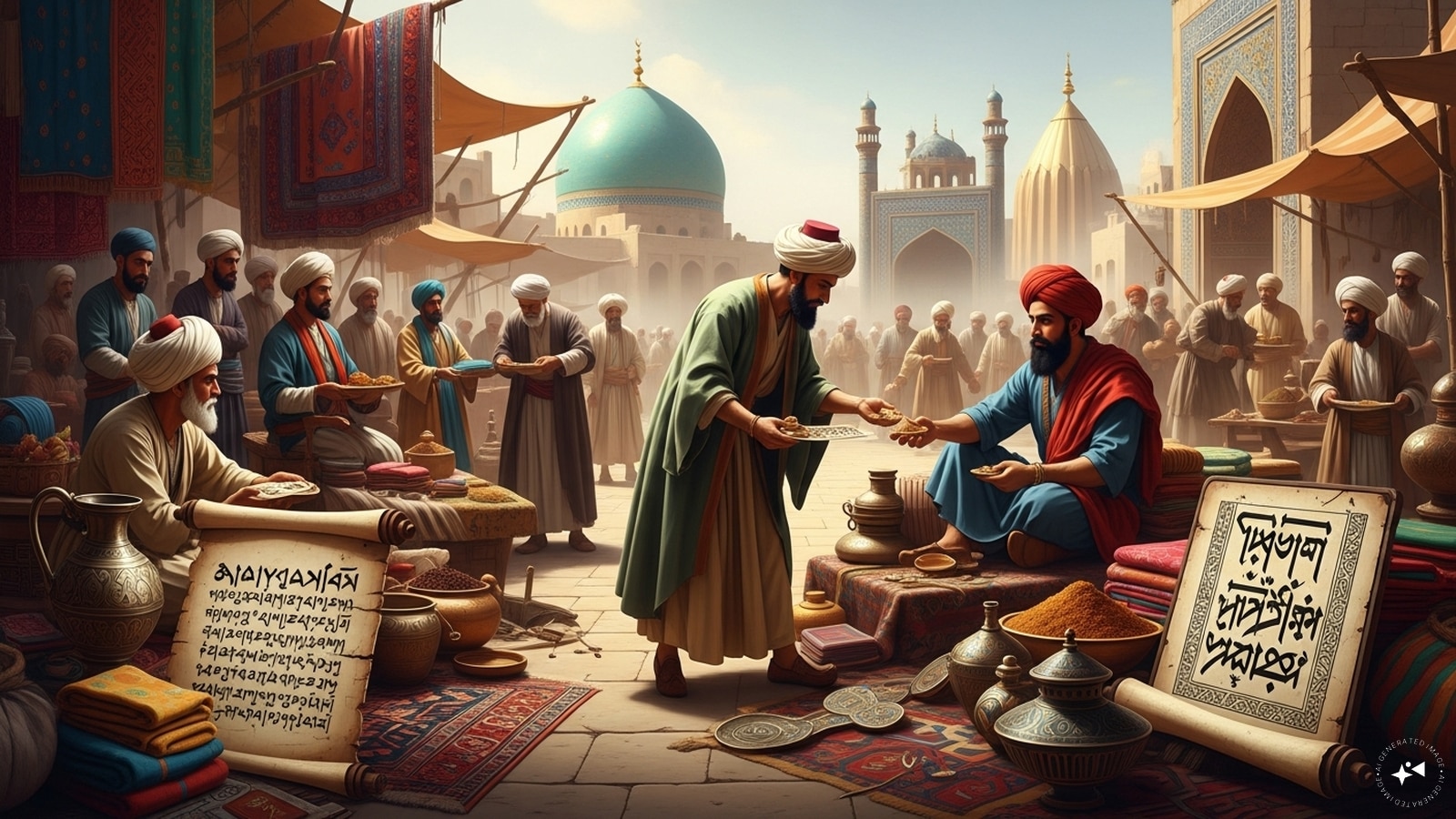
India and Iran share centuries-old cultural, linguistic, and economic bonds, shaped by ancient trade, shared language roots and deep civilisation exchanges before modern diplomacy. Jawaharlal Nehru once remarked, “Few people have been more closely related in origin and throughout the history than the people of India and the people of Iran.” (Representative Image: AI generated)
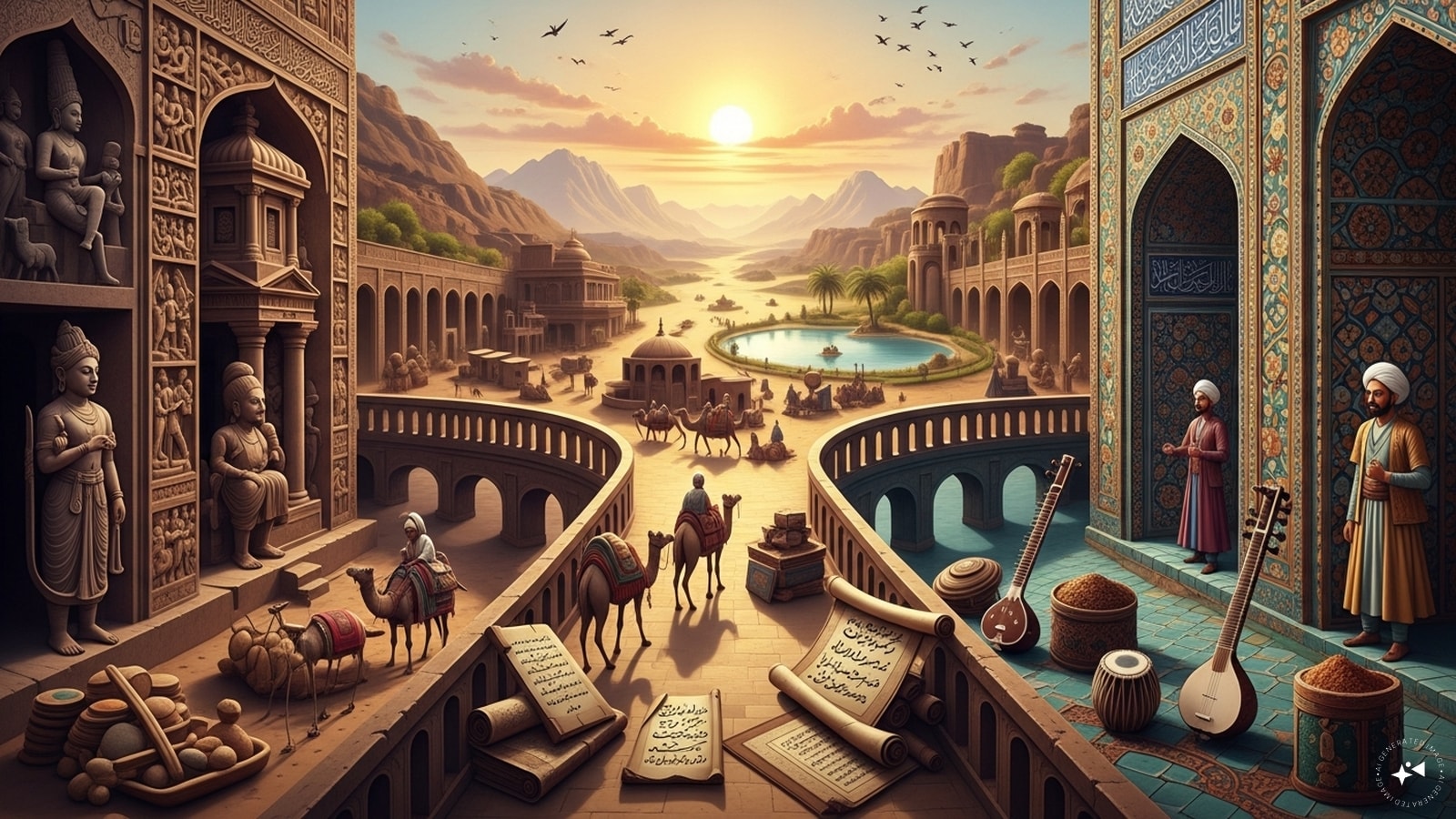
India and Iran, two ancient neighbouring civilisations, have shared a close connection for thousands of years. With common roots in language and heritage, their people have influenced each other across generations—shaping traditions in art, culture, religion, and even food. (Representative Image: AI generated)
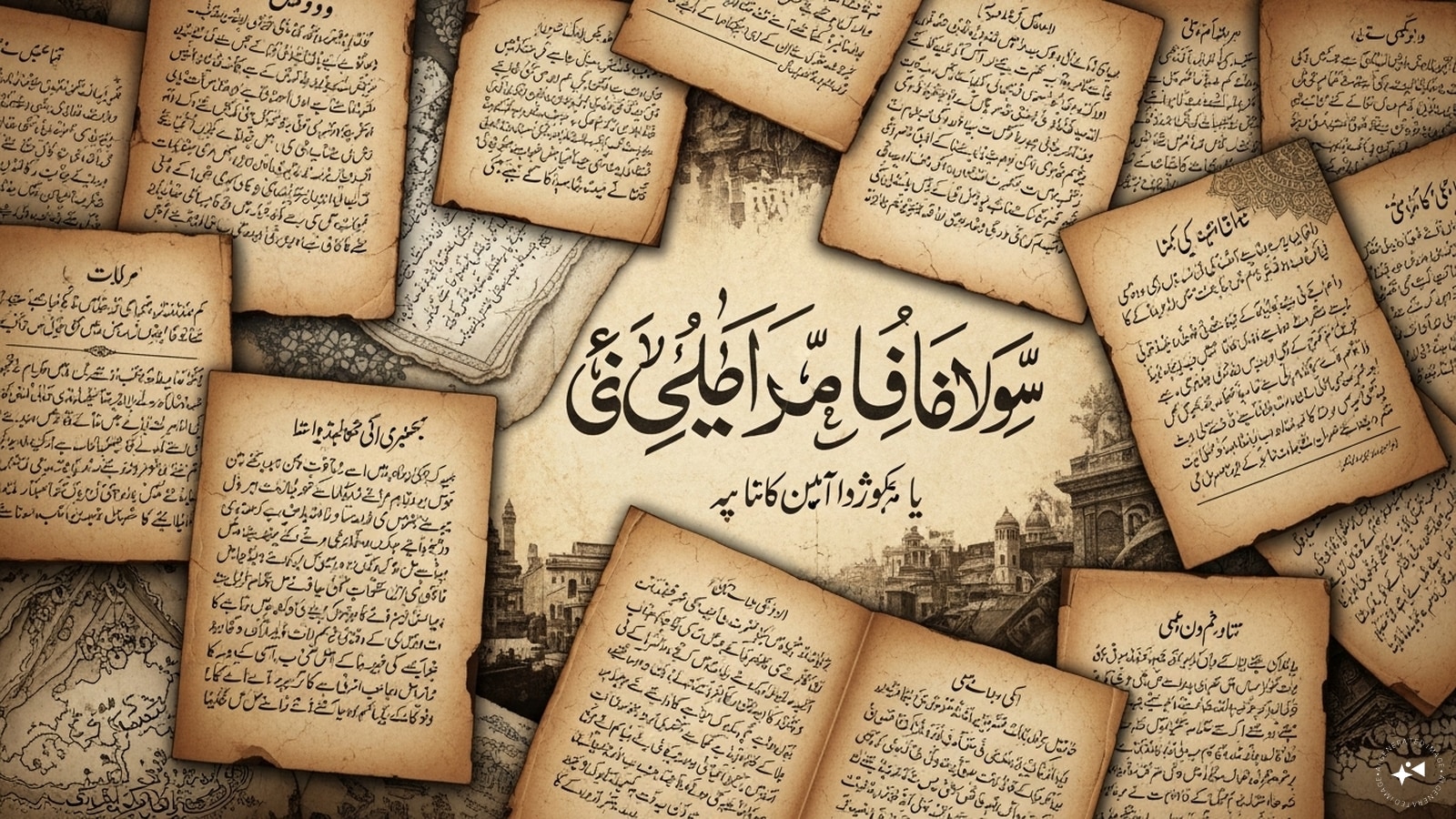
The deepest bond between India and Iran lies in languages. Thousands of years ago, the ancestors of both nations lived in Central Asia as a single group known as the Indo-Iranian. When they branched out, with one group moving towards the Iranian plateau and the other towards the Indus Valley – they carried a nearly identical language. Reportedly, India’s oldest sacred text, the Rigveda and Iran’s Zoroastrian scripture, the Avesta, are so similar that scholars can often translate a verse from one to other by simply applying a few phonetic rules. (Representative Image: AI generated)
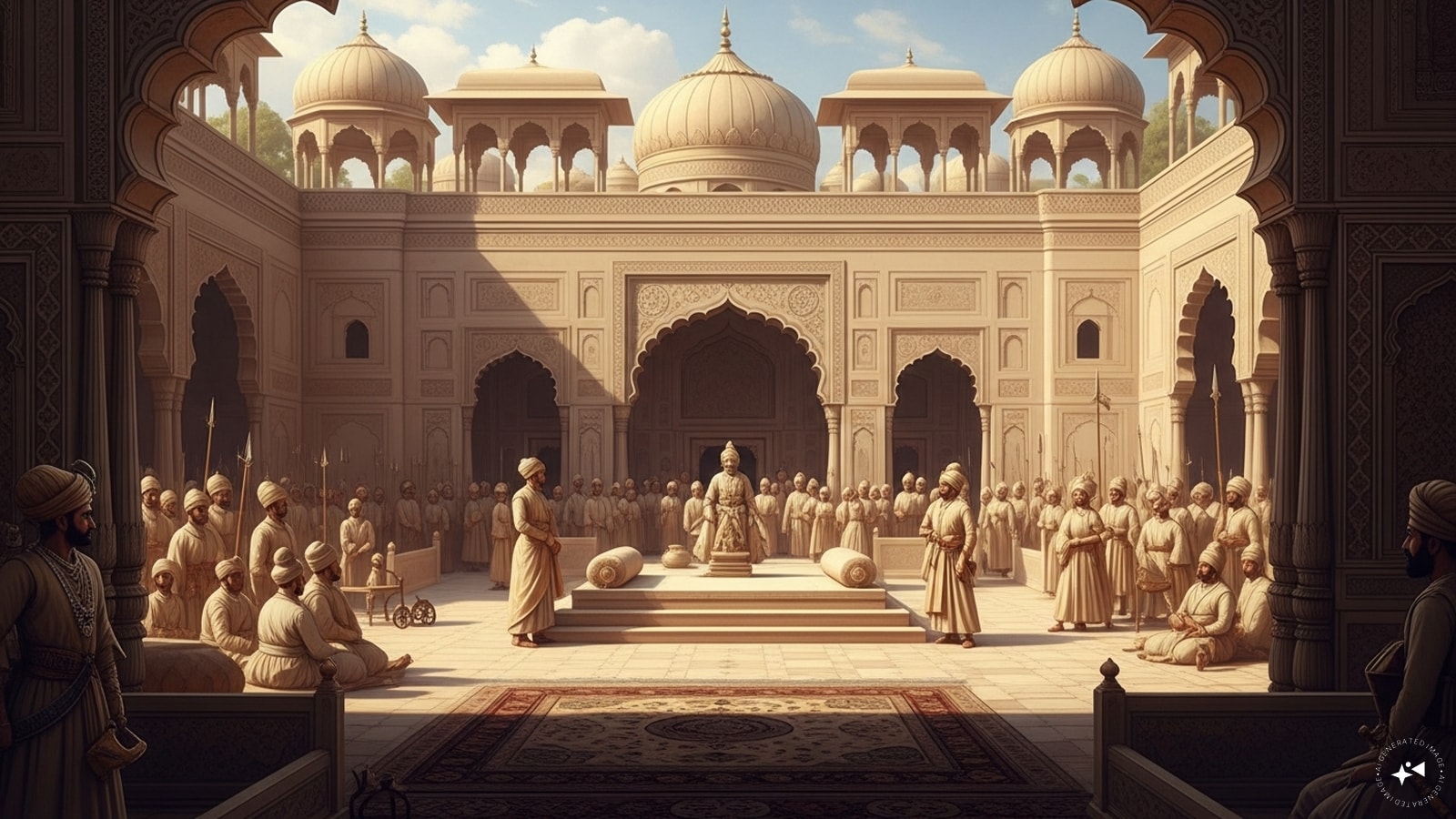
For nearly 600 years, Persian served as the official language of Mughal courts and several Indian kingdoms. It left a lasting imprint on Urdu and deeply enriched Indian poetry, with its literary works still studied in universities across India today. Notably, the era also witnessed the monumental task of cross-cultural transition – The Mahabharata was translated into Persian as the Razmnama, and the Upanishads were translated by Prince Dara Shikoh as Sirr-i-Akbar. (Representative Image: AI generated)
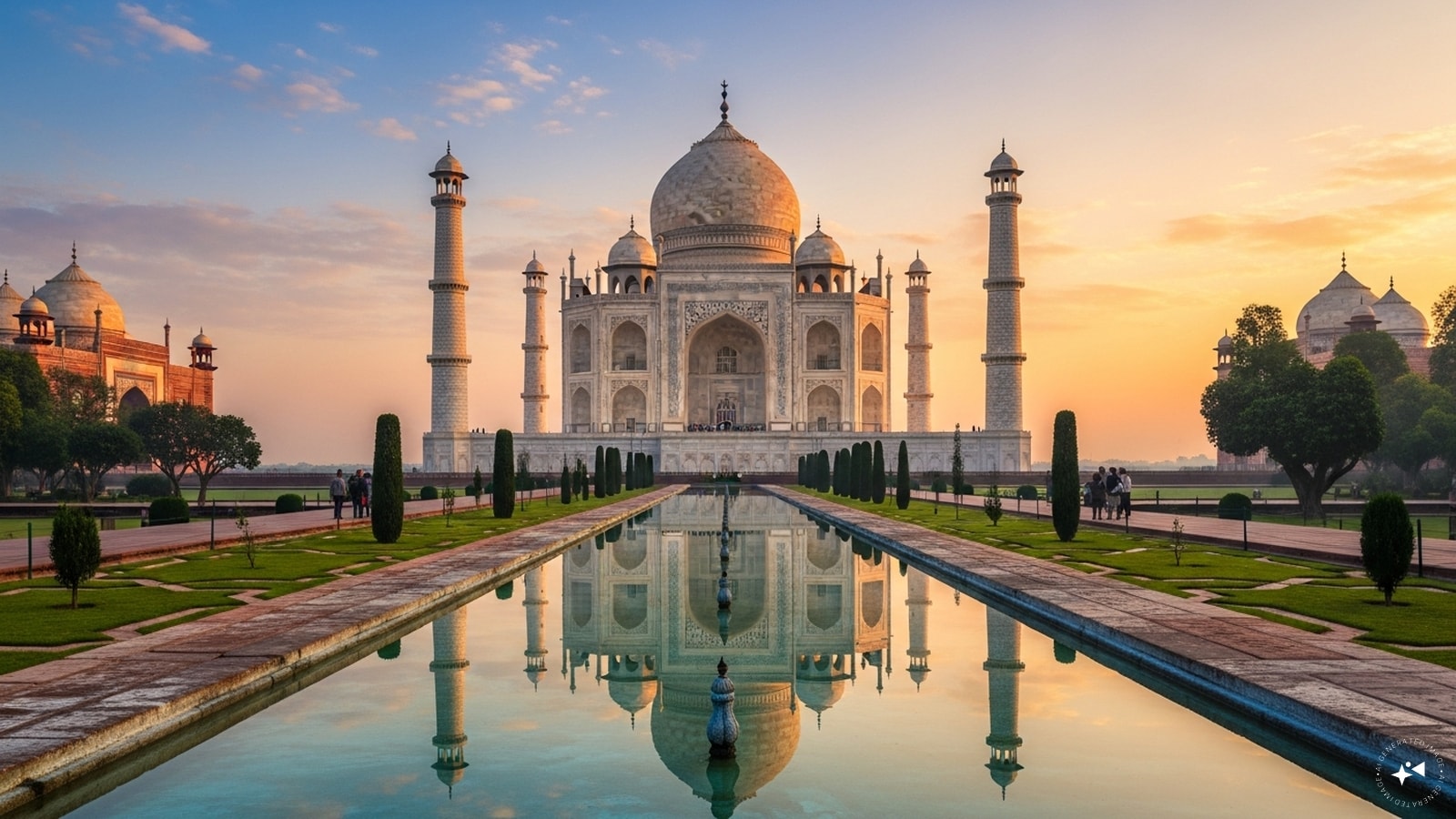
In terms of architecture, many of India’s Mughal-era monuments showcase a striking Persian influence in architecture—and once you notice it, it’s impossible to miss. From grand domes to perfectly symmetrical gardens and intricate tilework, these elements trace back to Persian design traditions, brought to life by skilled artisans and architects who shaped iconic marvels like the Taj Mahal. (Representative Image: AI generated)
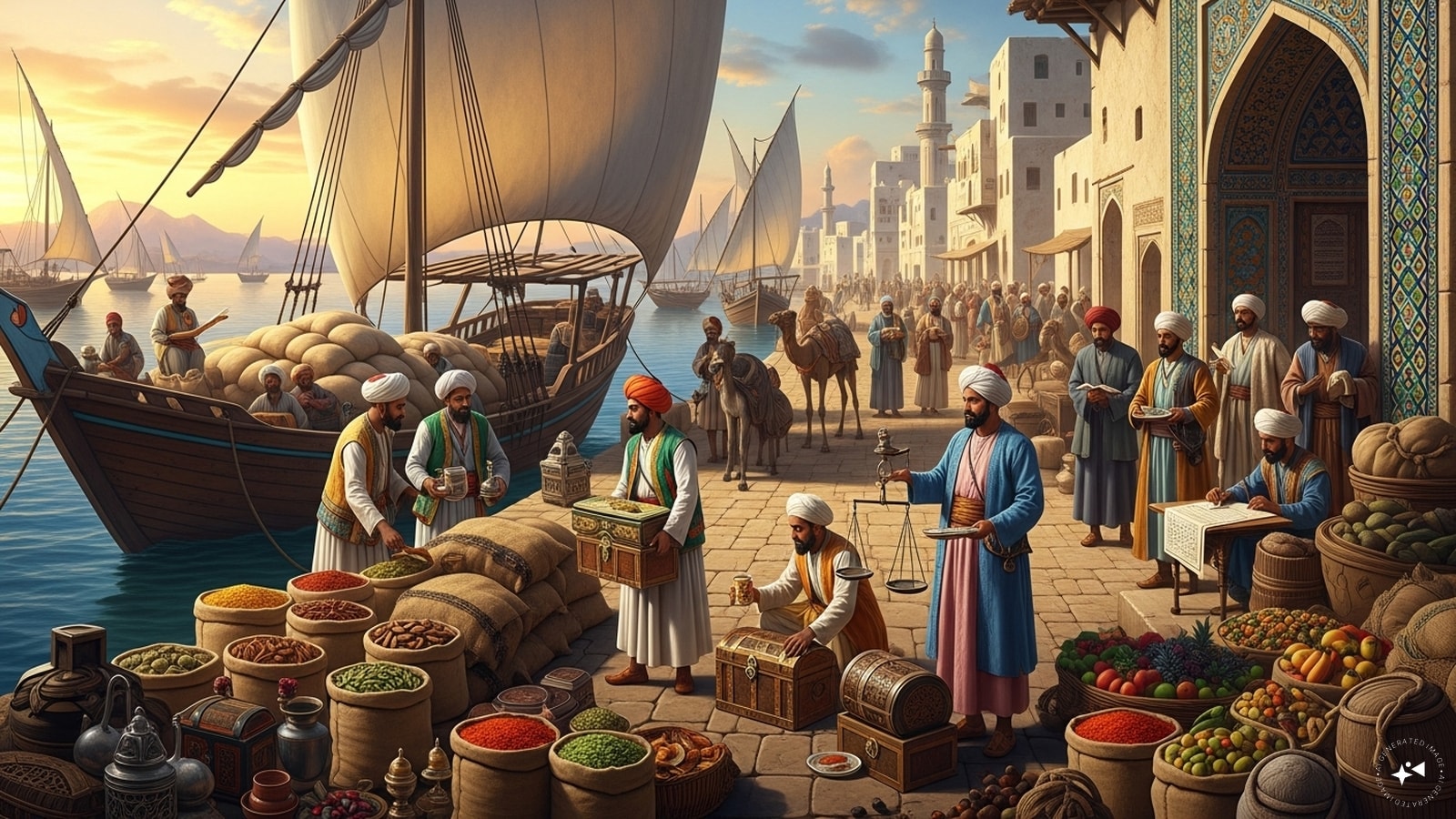
For centuries, Indian merchants actively traded spices, textiles, and precious gems with their Persian counterparts, building strong commercial ties. These exchanges flourished through ancient land routes like the Silk Road and busy maritime hubs along the Persian Gulf, which connected the two regions and kept goods, ideas, and cultures flowing. (Representative Image: AI generated)
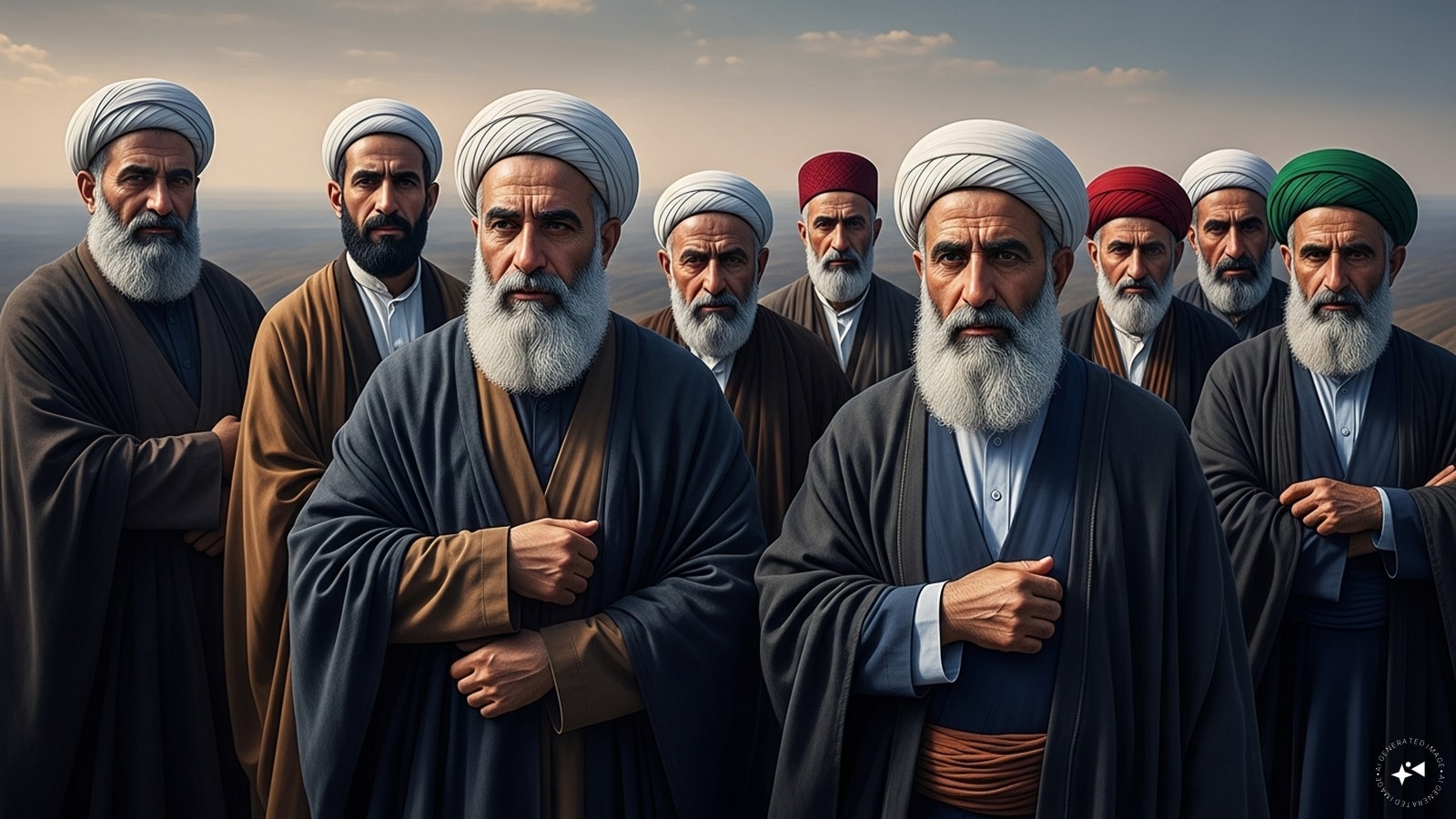
Between the 8th and 10th centuries, groups of Zoroastrians fled religious persecution in Persia and found refuge in India, where they came to be known as Parsis. (Representative Image: AI generated)
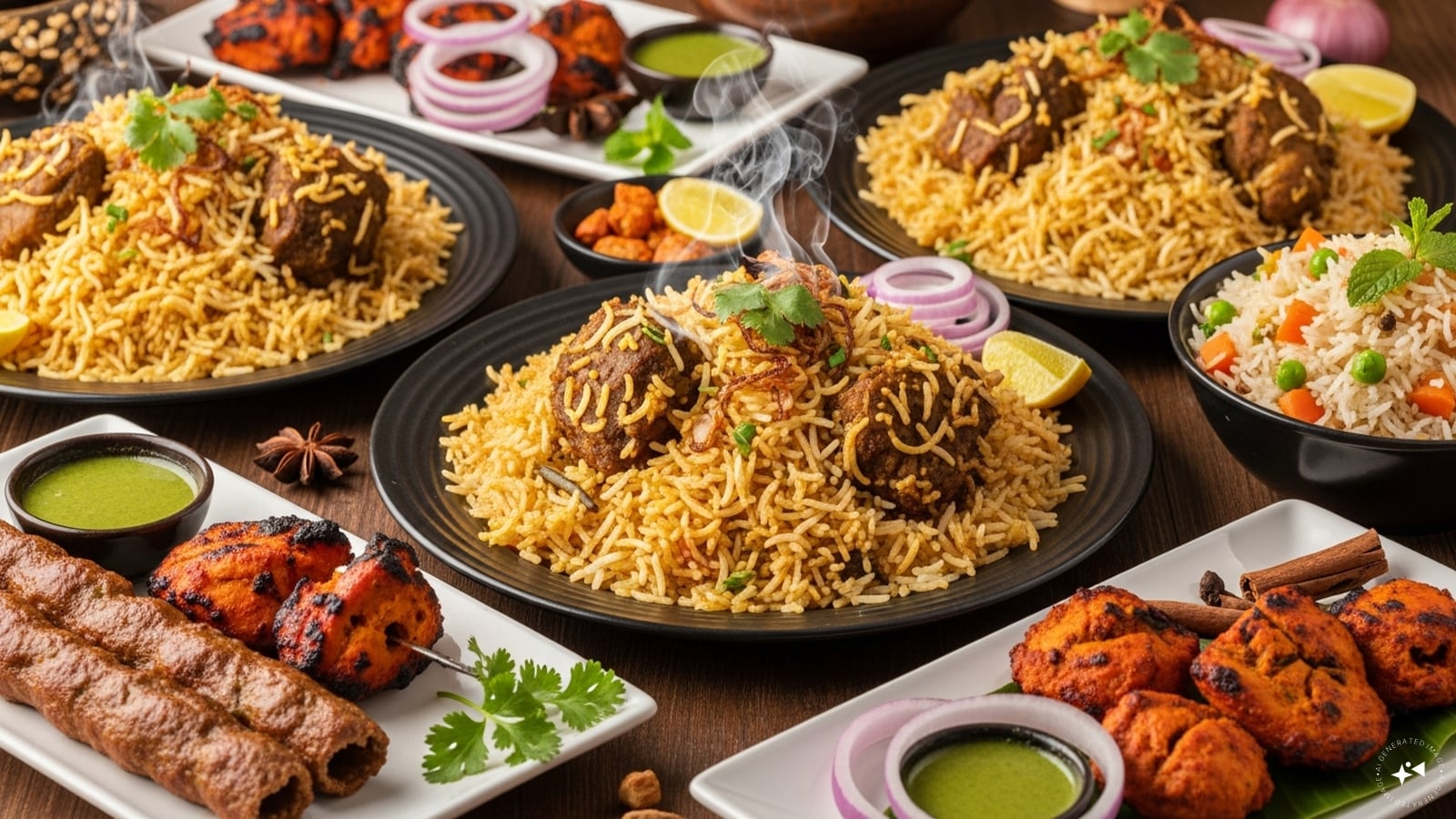
Persian art and lifestyle left a lasting imprint on India—its music, calligraphy, and cuisine seamlessly blending into local traditions. Beloved dishes like biryani, pulao, and kebabs carry clear Persian roots, while Indian classical music still echoes shared techniques and instruments, reflecting a deep cultural connection that continues to this day.
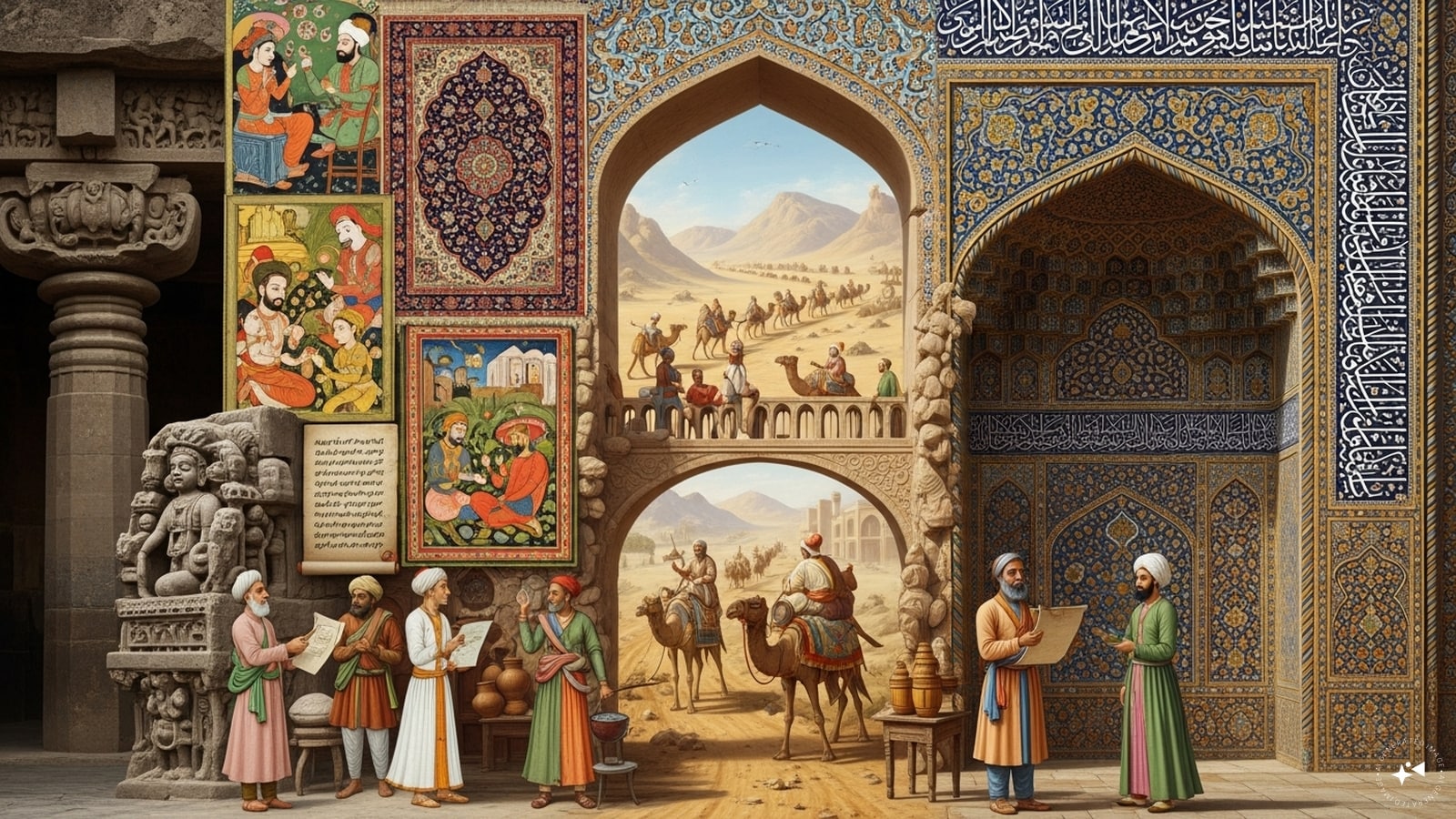
From shared language and art to centuries of migration and trade, India and Iran have built a deeply intertwined relationship over millennia—one that continues to evolve, blending ancient cultural ties with modern connections and cooperation. (Representative Image: AI generated)
News Photogallery world Language, Literature, Trade, Architecture: Exploring The Historical Connections Between India And Iran




 English (US) ·