

 1 hour ago
3
1 hour ago
3
ARTICLE AD BOX

Endless hours at the office and restless nights are stealthily damaging our hearts, with research connecting them to a heightened likelihood of heart disease and strokes. Professionals underline the importance of sleep in rejuvenating our cardiovascular system. Those with irregular sleep cycles may be facing double the risk of heart ailments.
High achievers frequently take great satisfaction in putting in long hours and staying up late in the always-on work culture being prevalent nowadays. Beneath all that activity, a silent danger might be developing.
According to recent research, working long hours and interfering with your natural sleep schedule not only leaves you exhausted but also puts a significant load on your heart.
The heart at risk
Studies from global health authorities show a clear link between long work hours, disrupted sleep, and cardiovascular disease. According to the US Centers for Disease Control and Prevention (CDC), long working hours (55+ hours weekly), night shifts, and irregular schedules are all work-related risk factors for heart disease and other cardiovascular problems.
Workplace Anxiety Linked to Rising Health Issues Among Employees
A major global analysis by the World Health Organization (WHO) and the International Labour Organization (ILO) found that in 2016 alone, long work hours contributed to approximately 347,000 deaths from heart disease and 398,000 deaths from stroke. Workers clocking 55 or more hours per week had significantly higher risks compared to those with standard 35-40 hour weeks.These results highlight how work patterns, not just workplace stress, influence long-term heart health.Dr Sunil Wadhwa, Associate Director, Cardiology, Max Hospital, Gurugram, told TOI Health, "Sleep is not merely a period of rest—it is a critical time when the heart and blood vessels repair and regulate themselves.
Chronic sleeplessness, whether due to stress, lifestyle habits, or medical conditions, can significantly increase the risk of cardiovascular disease. Poor sleep is also linked to inflammation, a key contributor to atherosclerosis—the buildup of plaque in the arteries. Inadequate rest disrupts the body’s ability to regulate blood sugar and metabolism, raising the likelihood of obesity and diabetes, both of which are major risk factors for heart disease.
"
Late nights and the body clock
Human bodies run on a 24-hour internal rhythm, the circadian clock, which regulates sleep, hormone balance, metabolism, and heart function. When this rhythm gets thrown off by night shifts or irregular sleep, the heart pays the price.Research funded by the National Institutes of Health (NIH) found that people with irregular sleep patterns, going to bed and waking at wildly different times, had nearly double the risk of heart disease compared with those with steady sleep routines.When sleep is disturbed:
- Blood pressure tends to rise.
- Stress hormones like cortisol increase.
- Inflammation gets high.
- Cholesterol and blood sugar regulation worsens.
All these effects make the heart work harder and set the stage for long-term damage.
Stress, fatigue, and heart function
Working nights or long shifts doesn’t just boost hours, it breeds fatigue, changes mood and behaviour, and makes healthy habits harder. The US CDC reports that shift work increases stress and can disrupt metabolism and cardiovascular regulation.Dr Wadhwa added, "When a person consistently sleeps less than 6–7 hours per night, the body remains in a prolonged state of stress.
This leads to increased production of stress hormones such as cortisol and adrenaline, which raise heart rate and blood pressure. Over time, persistently elevated blood pressure can damage blood vessels and increase the risk of heart attacks and strokes."
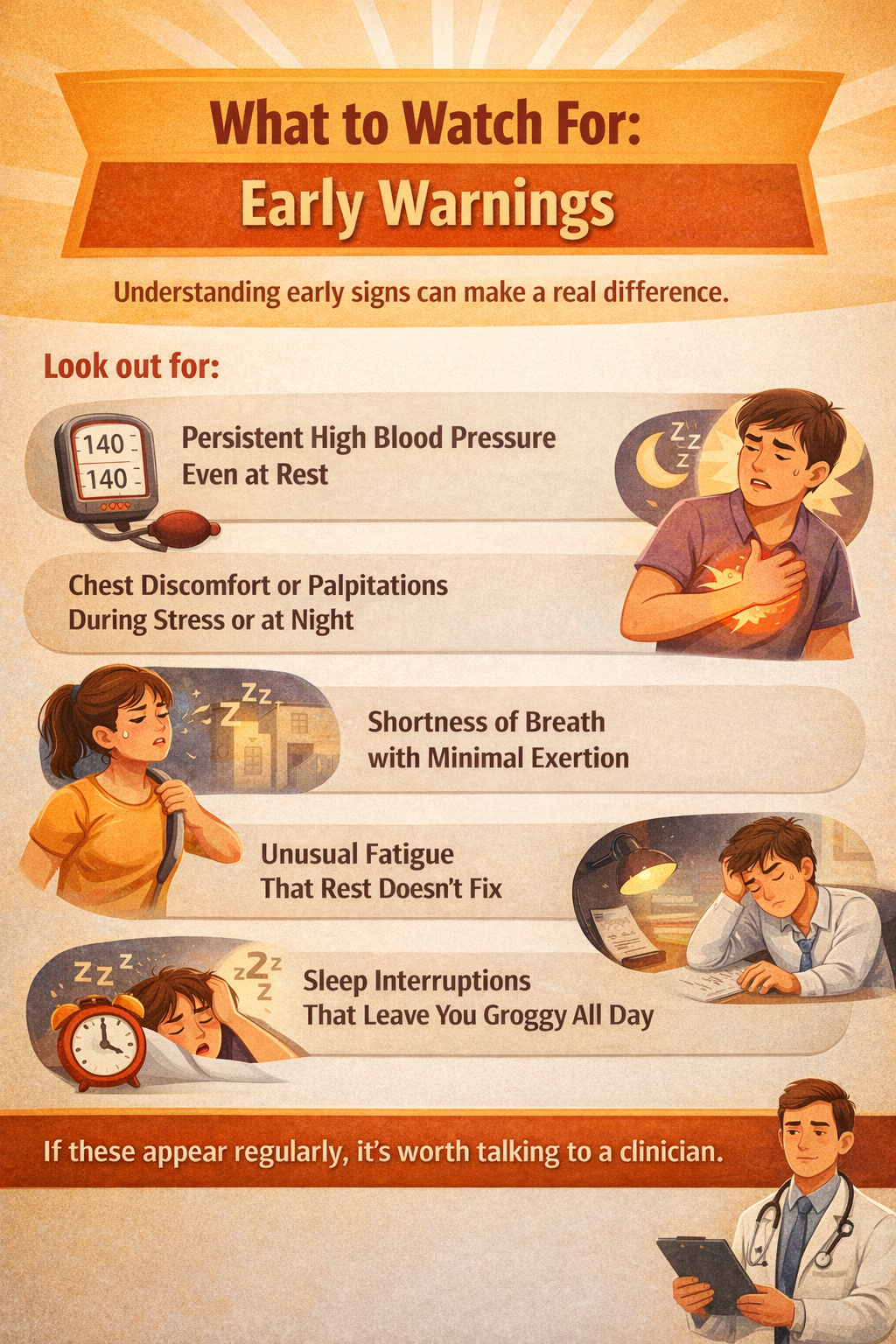
Late Nights & Heart Health Risks
What to watch for: Early warnings
Understanding early signs can make a real difference.Look out for:
- Persistent high blood pressure even at rest.
- Chest discomfort or palpitations during stress or at night.
- Shortness of breath with minimal exertion.
- Unusual fatigue that rest doesn’t fix.
- Sleep interruptions that leave you groggy all day.
If these appear regularly, it’s worth talking to a clinician.
Practical steps to protect your heart
Working less isn’t easy, but small changes can offset heart risk:
Prioritise sleep quality
Try to get 7 to 9 hours of sleep per night. Maintaining a regular sleep pattern helps promote good blood pressure and metabolism while improving your circadian rhythm.
Structure your day
If night shifts are unavoidable, build predictable routines around meals, exercise, and rest. Consistency can actually help stabilise the hormonal patterns.
Move more during the day
Even light movement breaks can improve circulation, counteract sedentary strain, and support heart health. (Movement doesn’t eliminate all risk, but it helps greatly.)
Build heart-healthy habits
Make healthy food choices, cut back on alcohol and caffeine after work. Also try to take part in stress-relieving activities like yoga, meditation, or walking.
Keep track of crucial numbers.
Check your blood pressure, cholesterol, and glucose levels frequently, particularly if you have irregular sleep patterns.Lastly Dr Wadhwa explained, "To protect heart health, adults should aim for 7–8 hours of quality sleep each night. Maintaining a consistent sleep schedule, limiting screen time before bed, avoiding heavy meals late at night, and managing stress can significantly improve sleep quality. If symptoms such as loud snoring, frequent awakenings, or excessive daytime fatigue persist, medical evaluation is essential.
"As the American author and activist, Helen Keller, once said, “Although the world is full of suffering, it is also full of the overcoming of it.” Acknowledging how lifestyle stressors affect the heart is the first step toward protecting it.Medical experts consulted This article includes expert inputs shared with TOI Health by: Dr Sunil Wadhwa, Associate Director, Cardiology, Max Hospital, GurugramInputs were used to explain why supplement overdose is a big health risk and why one should consult doctor before taking natural alternatives.









 English (US) ·