

 1 hour ago
5
1 hour ago
5
ARTICLE AD BOX
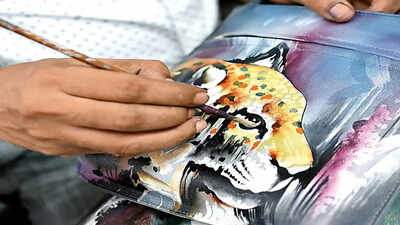
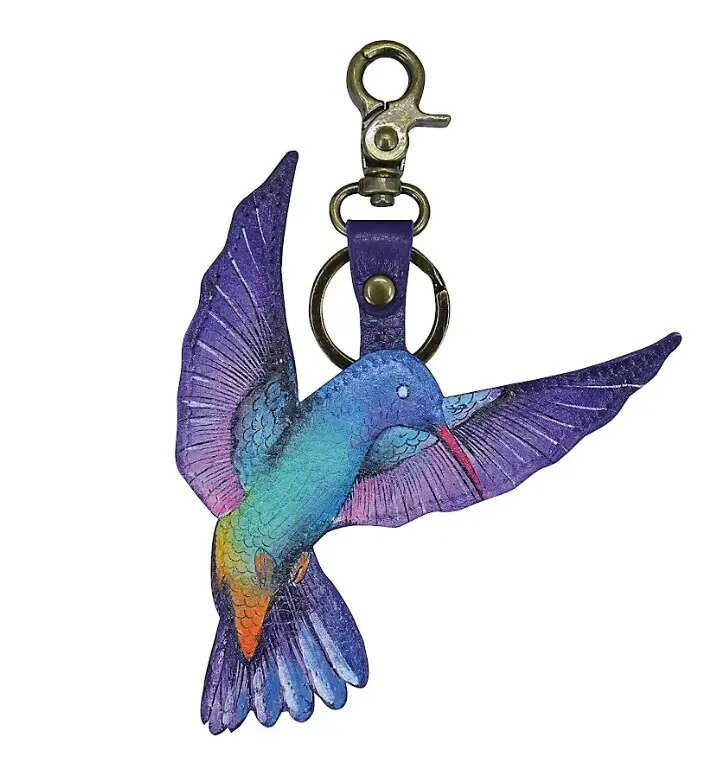
Leather painting isn’t something you stumble upon easily. With only a handful of workshops introducing people to the craft, access remains limited, but curiosity isn’t. Those brief encounters are now spilling into living rooms and DIY experiments, with people picking up brushes to rework old wallets, bags and keepsakes. What begins as a one-off experience is increasingly turning into something more personal: a slow, deliberate craft that invites you to create, and recreate, objects you already own. As designer Bhaskar Basu puts it, “The intent was simple yet ambitious, to paint on leather the way one would paint on canvas.”
A medium that doesn’t come easy
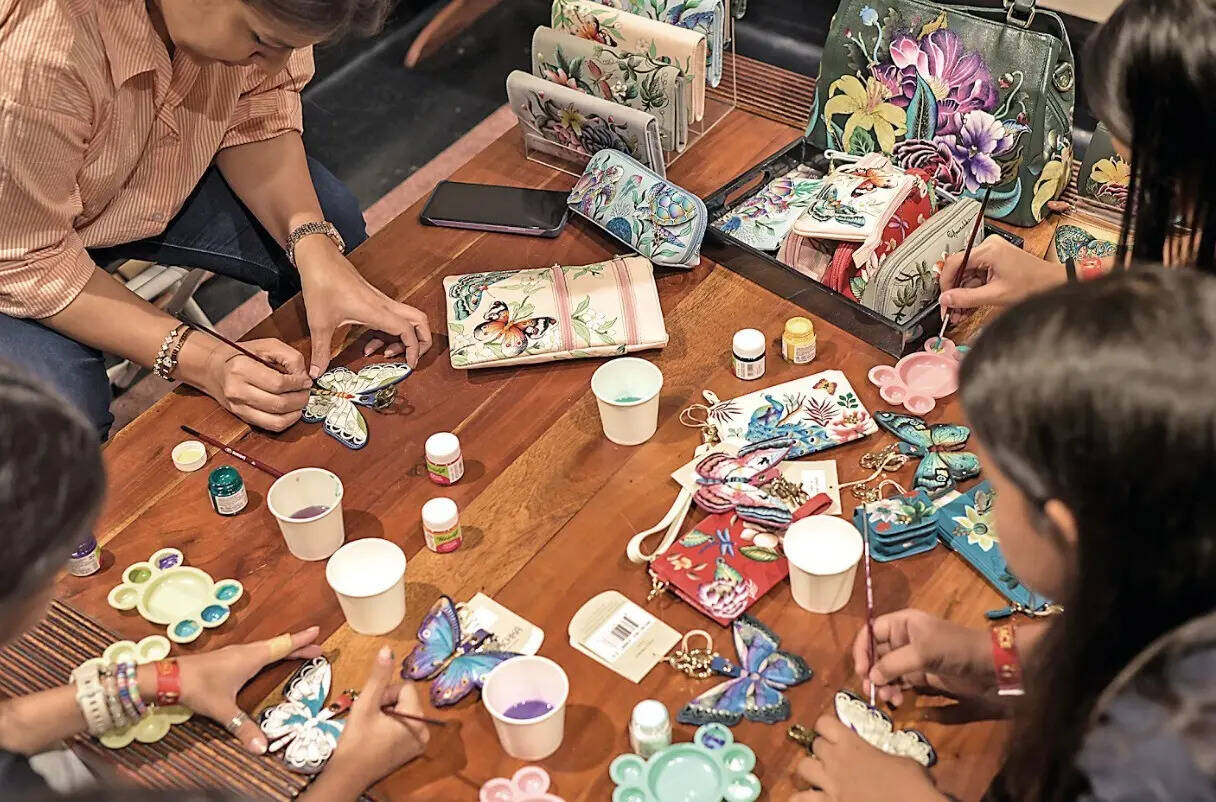
Leather, unlike paper or canvas, demands respect. “Leather painting is inherently more demanding… the artist must adapt to the material, rather than rely on it,” Basu explains. The surface doesn’t absorb paint easily- “the paint does not simply sink in; it binds to the surface in a controlled way”, which means every stroke has to be intentional. For first-timers, that learning curve is immediate. “Just to paint a pre-sketched butterfly keychain, it took me almost an hour,” says homemaker Jaya Baid. “The challenge was to keep the different colors within the boundaries… from merging with each other. So I had to be really slow and patient.” Even artists notice the difference. “It was much easier than I expected it to be… it felt a lot like painting on fabric. If the surface is prepped properly with white paint, all the colours pop out nicely,” says Priyam Dalmiya, adding that preparation plays a key role in the outcome.
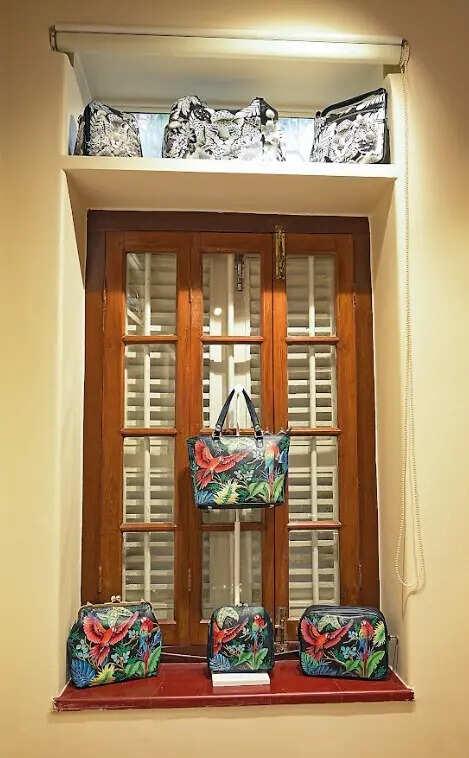
Mastering leather painting takes time, it’s about layering colours, building textures, and refining techniques over years. It’s not something you can perfect in an afternoon; every piece goes through trial, rejection, and reworking before it feels right
Bhaskar Basu, CEO and Designer of Anuschka
From rare workshops to home experiments
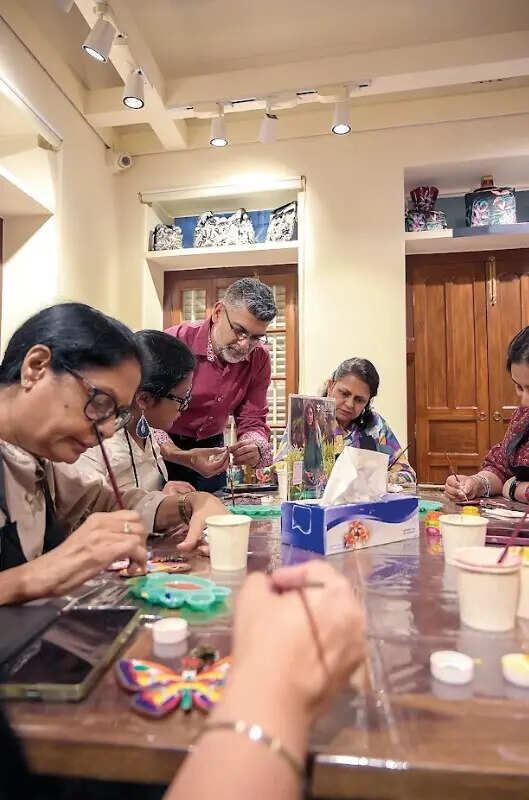
Because access is limited, workshops are acting more like introductions than endpoints. “It was my first,” says Antara Basu, who “just happened to chance upon this advertisement on Insta” and signed up out of curiosity.
“I got to get creative… and I love the hands-on experience,” she says, calling it “a blast.” What follows is where the shift is happening. “I had been wanting to paint a couple of my old handbags to give them a new look but had no idea how to start,” says Baid. Now, she, and many others, are considering taking it forward independently. “I would maybe experiment in future,” says Patwari, even while admitting that “to create masterpieces more training and resources would be required.” For some, the intent is already clear. “Absolutely… specially on wallets and small leather products,” says Dalmiya, who has “seen a lot of people paint on their leather bags… to personalise them.” Antara Basu echoes that shift: “Now I can… continue doing it… on some leather stuff which I have,” adding that it’s a way “to give that justification to an already used product.” Even practitioners in the field point to this growing DIY instinct. “Goat leather… acts as a canvas to do different designs and paintings,” says Zainul Abedin of Feroza Arts, adding that both “industrial paint” and “normal acrylic colours… coated with a solution” are used so the finish lasts.
Why it stays with you
Part of the appeal lies in how personal the process feels. “Leather is a living material- it has grain, movement and personality… the leather becomes our canvas and our collaborator,” says Basu. That collaboration makes every piece unique. “Every brushstroke is unique… there are subtle differences in the shading, in the colouring,” he adds. And that unpredictability is exactly what draws people back. There’s also the emotional payoff. “It was exciting working on a medium I have never tried before,” says Patwari, who describes the experience as “fulfilling” and “everlasting.” For Antara Basu, the hands-on aspect made it memorable: “It was a blast for me… I got to get creative at this master class and I love the hands-on experience.” And sometimes, the result is more than just an object. “Anything handmade has the heart and soul of the creator… it worked like therapy to calm my mind,” says Baid.
Starter box: 7 things you need (and how to begin)
Pick the right base: Start with vegetable-tanned leather or small items like wallets. Practice on cheap scraps first.
Clean and prep: Wipe with rubbing alcohol, then use a deglazer to remove finish, this step decides whether paint sticks or peels.
Choose flexible paints: Use acrylic leather paints; they bond well and won’t crack when the leather bends.
Get basic tools: A couple of fine brushes (for details) and a sponge (for base coats) are enough to start.
Sketch lightly: Use a pencil or chalk to map your design before painting- keep it simple for your first try.
Paint in thin layers: Build colour gradually, letting each coat dry. Thick paint is the biggest beginner mistake.
Seal the work: Finish with a leather sealer to protect against wear and make the paint last.
Quick start tip: Begin with something small (like a cardholder or wallet), test everything on scrap leather, and focus more on prep than design, the finish depends on it.
The craft, though tricky for first-timers, felt a lot like painting on fabric. Prep is important because once the surface is prepped properly with white paint, all the colours pop out nicely
– Priyam Dalmiya, a workshop participant






 English (US) ·