

 1 hour ago
7
1 hour ago
7
ARTICLE AD BOX
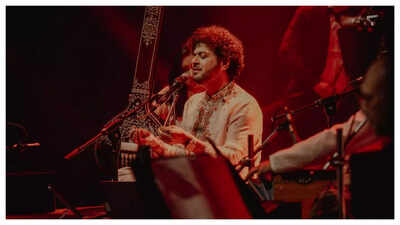
Hindustani classical vocalist Mahesh Kale collaborated with the Budapest Scoring Orchestra in a landmark concert in Mumbai. The performance seamlessly blended Indian classical music with a Western symphonic ensemble, featuring a diverse repertoire. This ambitious project, a first for the orchestra, highlighted music's universal language.
A packed auditorium in Mumbai’s BKC resonated with applause on Sunday (February 22) as National Award-winning Hindustani classical vocalist Mahesh Kale presented ‘Mahesh Kale Live with the Budapest Scoring Orchestra’, a landmark concert that brought Indian classical music into dialogue with a full Western symphonic ensemble.
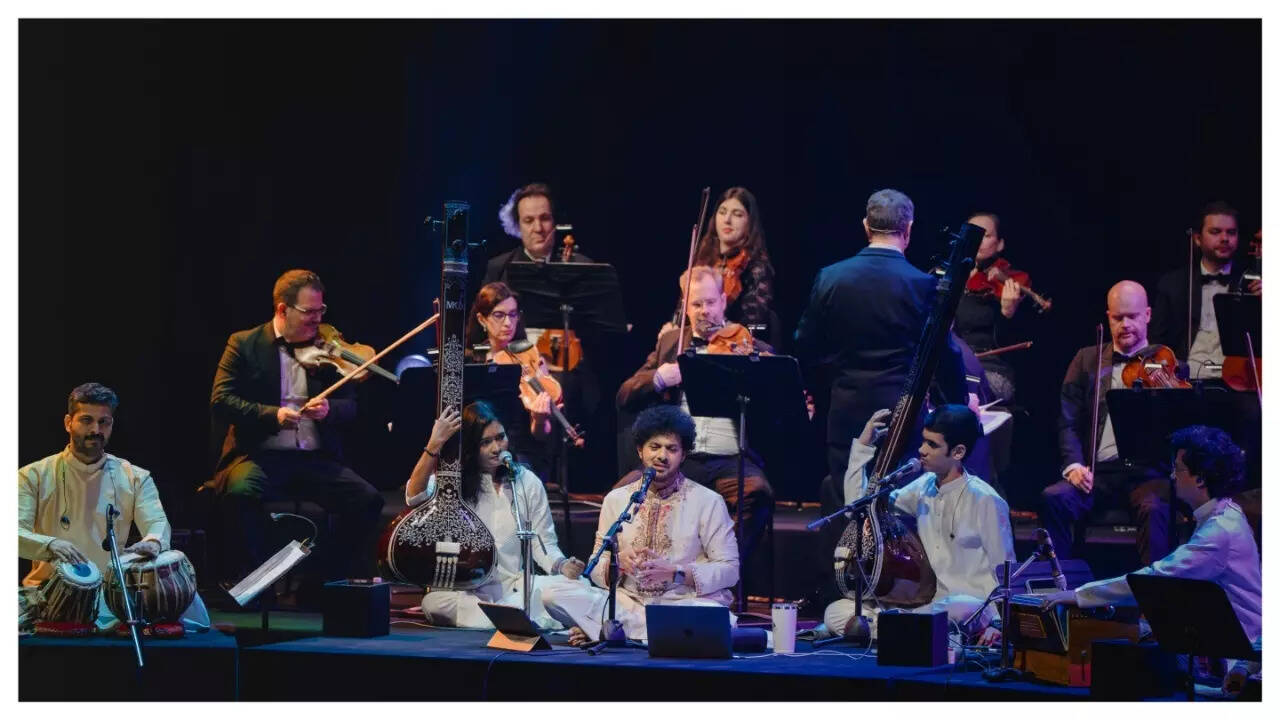
The evening opened on a reverential note, with Kale seeking the blessings of his late guru, Pandit Jitendra Abhisheki, and the audience before launching into a meditative solo exposition in Raag Jog. As the performance unfolded, the Budapest Scoring Orchestra entered gently; not to overpower, but to embrace the raga’s emotional landscape with sensitivity and restraint. What followed was a seamless confluence, where Indian melody and Western harmony listened, responded and rose together.
The repertoire travelled expansively — from pure classical forms arranged symphonically to semi-classical pieces, raga malas, abhangs and original compositions by Kale. Tracks such as ‘Lagi Kalejava Katar’, ‘Chaap Tilak’, ‘He Suranno Chandra Vha’, ‘Janaki Nath’ and ‘Jheeni Re Jheeni’ received full-bodied orchestral treatment while retaining their Indian soul. Based in San Francisco and known for bridging tradition with contemporary audiences, Kale described the ambitious collaboration as an idea sparked by music director Rahul Ranade.
“The idea began with my music director friend Rahul Ranade, who suggested an interesting collaboration between Indian classical music and a Western symphony — something that hadn’t been done before,” he said, crediting arranger Kamlesh Bhadkamkar for shaping the orchestral vision.
Calling it a first for the ensemble, orchestra CEO Balint Sapzson remarked, “This is our very first time doing 100% Classical Indian music… that made it incredibly exciting for us.”
Conductor George Gulyas-Nagy echoed the sentiment: “We come from completely different systems… yet we understood each other without words. Music truly is an international language.” As the evening drew to a close, Kale reflected softly, “Happy moments are fleeting.” He ended with a gratitude song to Lord Vitthal and concluded with ‘Kanada Raja Pandharicha’, inviting the audience to sing along — a fitting finale to a night that proved music needs no translation.






 English (US) ·