

 11 hours ago
5
11 hours ago
5
ARTICLE AD BOX
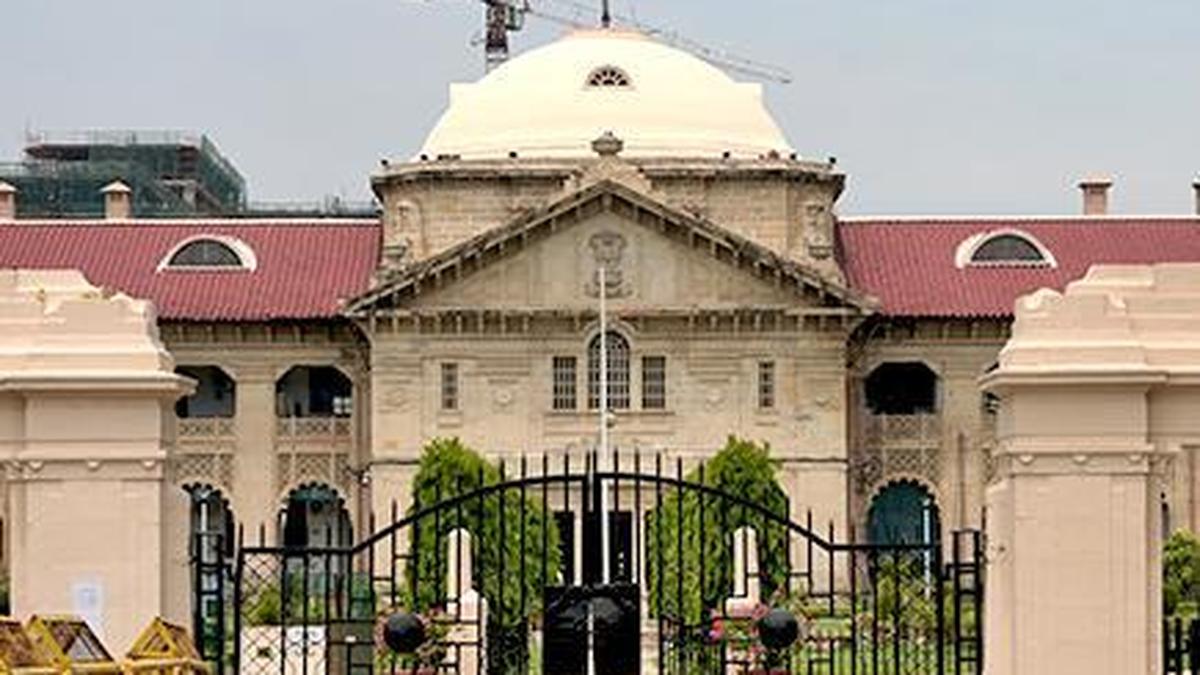
The novelist Sankar, who passed away in Kolkata at the age of 92, became part of my lost childhood memory, not through books, but through family lore. After completing his law degree from Lincoln’s Inn, my grandfather Swayambhu Gopal Mazumdar, started his career as the junior to the last English barrister of Calcutta High Court, Noel Frederick Barwell. Though I scarcely have memories of my grandfather, stories about Barwell Saheb in the lyrical raconteur voice of my grandmother flooded my childhood days. But the stream of stories found their ocean when I was old enough to read what remains my favourite Sankar novel — Koto Ojanare, translated to English as The Great Unknown by Soma Das.
ARTICLE CONTINUES BELOW VIDEO
For me, Sankar is the great fictional chronicler of a world at work — or more appropriately, the universe of professionals. While law found no legacy in our family after my grandfather, I first came to know Calcutta High Court and the sea of humanity eddying through it through The Great Unknown, Sankar’s poignant name for that troubled, chequered humanity. Around it was the world, no less fascinating, of the receding English presence in Calcutta, its clubs and crockery and culinary delights, tingling against the deep anxieties of the young and the precariously employed — whom Sankar understood better than anyone else.
From Calcutta High Court, the precarious youth reappears in the novel Chowringhee, right in the midst of the psychedelic theatre of Shahjahan Hotel, the transient luxury home of Calcutta’s most colourful, itinerant, and shadowy. Chowringhee, thanks to the excellent English translation by Arunava Sinha, may be the most widely read of Sankar’s novel beyond his vast readership in Bengali. In this shadily delicious world, Sankar’s senior is the smoothly amicable face of the hotel, the head receptionist Sata Bose, inseparable in the Bengali consciousness from the iconic charisma of Uttam Kumar in Pinaki Mukherjee’s memorable 1968 film based on the novel. Sankar and Mukherjee created such a cult classic that it was remade in a new film in 2019, Shah Jahan Regency, this time directed by Srijit Mukherjee.
The world of professions Sankar straddled in his fiction was diverse, and full of longing, aspiration and trauma. The trilogy, Swarga, Marta, Patal — Heaven, Earth, Hell — has travelled the continents with me, a crumbling, ancient volume inherited from my mother. The very opening novel in that collection, Jana Aranya (The Human Forest), made into the 1976 film by Satyajit Ray, voices the desolate cry of the unemployed youth of a despondent Bengal, and the shocking human cost he has to pay to get a job — hinted by the English title of Ray’s film, The Middleman. The human cost rises to a steep high with the corporate success that is the provocative theme of the second novel in the book, Sheemabadhha (Limited). The ambitious corporate manager of the novel, Shyamalendu Chatterjee, ends up striking a deal with the devil for the holy grail of corporate life — promotion to a directorial position within the English-run firm. It’s an act that haunts his conscience as darkly as it reveals the reality of a Calcutta beginning to be swallowed by a strident Communist culture of strikes and lock-outs. In the third novel of the trilogy, a similar disruption and human tragedy awaits the fate of a young scientist in charge of a chemical plant in a coal town. Sankar knows the world of the professions, but he knows with a more visceral accuracy the many lives that are severed at their unforgiving altars.
The unemployed young man and his many travails, including some deeply romanticised ones, cast a long shadow on Bengali literature of the second half of the 20th century, the last decades of which nourished my early making as a writer. But no one knew the worlds of labour, success and precarity became strangely conjoined in a slowly decaying and stagnating Bengal through these decades in the way Sankar saw and brought them to life. Thanks to the limpid prose of this novelist who was also a professional chartered accountant, hundreds of thousands of readers know how magical, fascinating, and dark the world of lawyers, accountants, hoteliers, corporate managers, scientists can be.
Without Mani Shankar Mukherjee, these worlds would have never entered the world of Bengali literary imagination so unforgettably.
Saikat Majumdar is a novelist and critic.







 English (US) ·