

 2 days ago
6
2 days ago
6
ARTICLE AD BOX
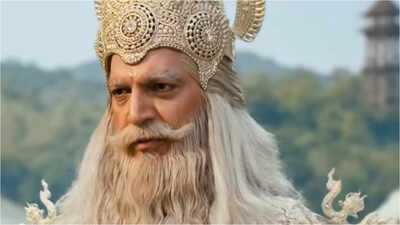
Hastinapur Ke Veer takes you through the untold childhood years of Pandavas and Kauravas, showcasing the relationships, values and experiences that would eventually shape the future of Hastinapur.
At the centre of this journey is Manish Wadhwa as Bhishma Pitamah who is revered as a mentor for his wisdom and his unwavering sense of duty towards the kingdom and its future generations.In this chat, Manish Wadhwa talks about his journey into the legendary role of Bhishma Pitamah, his take on the character, his rapport with the young cast members and the values he hopes audiences take away from Hastinapur Ke Veer.Bhishma Pitamah is one of the most iconic characters from Mahabharata. What was your first reaction when you were given this position?The biggest reason for me to say yes was the character of Bhishma Pitamah itself.
I think God is very kind to give me a chance to get into Bhishma's shoes. It’s not every day an actor gets to play such a well-respected and iconic character. If a character moves me, pushes me, and lets me grow as an actor, I’m instantly drawn to it. One such character is Bhishma Pitamah and it is indeed an honour to bring him alive on screen.Every actor adds something to a character we all know. How did you approach the character of Bhishma Pitamah?“My idea has been to show Bhishma Pitamah as I know, read, heard and learnt about Bhishma Pitamah over the years.
He is a man of wisdom, sacrifice and unswerving commitment to his principles and I have endeavoured to portray those qualities with sincerity and authenticity. At the same time, I think each rendition has to have its own identity because each actor connects with a character differently. "I am trying to be as truthful as possible to Bhishma Pitamah to his legacy but at the same time I am bringing my own perspective, my own experience to the role.Which of Bhishma Pitamah’s qualities do you find yourself identifying with the most personally?Amongst Bhishma Pitamah’s many admirable qualities, I relate most closely to his discipline, wisdom and unwavering sense of duty. These are the virtues that make him so enduring and inspiring a figure. I think discipline is the foundation of our craft as actors and wisdom and responsibility help us navigate our professional and personal lives.
I do my job with full honesty and I know the importance of the job and we should learn that from Bhishma.
In many ways I try to live these values in my own journey, and I believe they are essential qualities for any artist to cultivate.Hastinapur Ke Veer is based on the younger years of the Pandavas and Kauravas. What new side of Bhishma do the viewers get to see in the show?Bhishma Pitamah is a multi-layered character and the show allows the audience to see a softer, more nurturing side of him.
The show also shows how much he loves and cares for both the Pandavas and Kauravas. He does not play favorites with any child, but treats all children the same, always guiding them with wisdom and care. The viewers will see the revered protector of Hastinapur, but also a protective mentor and grandfather figure whose love and guidance helps shape the next generation.
He's a guide for the kids but also for the parents.Mythological dramas often need some presence and body language. So how did you work on these aspects for Bhishma?Each character, whether historical, mythological or contemporary, demands a different physicality and presence.
For Bhishma Pitamah it was important to know not only his personality but also how he would behave, walk, sit, speak and respond in different situations. Apart from the character study I worked a lot on the physical preparation; working out, yoga and training to bring the strength and grace necessary for the role.
All these combine to create the aura, dignity and the commanding presence that audiences associate with Bhishma Pitamah.You have a special connection with the young actors on set. What has it been like working with a big cast?It’s been a really great experience working with the young cast. Whether playing the Pandavas or Kauravas, every child is very talented, sincere and full of enthusiasm. They have such great energy on set and I really enjoy being around them. What I love about them is their honesty, their spontaneity as performers. They call me Pitamah or Dadu with love off-screen which makes our bonding even more special.
These kids also gave me a great Father’s Day surprise.
They come and sit on my lap and play with me. We share a lot of laughter, conversations and memorable moments between scenes, creating a warm and positive atmosphere on set.As an experienced actor, do you find yourself mentoring the younger cast members at all? What sort of advice do you normally give them?And when I get the chance, I do share a lesson or two from my own experience.
I also remind them to enjoy their childhood, have fun off-screen, then give complete focus and dedication when it’s time to perform. One thing I always try to get them to understand is not to get carried away from positive or negative comments. Too much focus on praise can lead to an unnecessary attitude, while too much focus on criticism can lead to demotivation.
I also tell them that they should get totally into their characters on screen, but they should never lose their own identity.
When I am in front of the camera, I am Bhishma Pitamah but the moment the shot is over, I am back to being Manish Wadhwa. So I would say to the children, do the same with acting, learn the good qualities of your character, but don’t take the role with you all the time.What do you hope the audience, especially parents, take away from your character and the show today?I believe Hastinapur Ke Veer is more than just a mythological drama; it reflects values and life lessons that remain relevant even today. For parents, Hastinapur Ke Veer is a powerful reminder that the greatest gift they can give their children is strong values and unwavering character. Children are like wet clay, you can mold them into any shape, and it is the parents' responsibility to give them the right shape. In the show, my character is conveying, ‘as you sow, so shall you reap’.
The story doesn't preach, it encourages reflection and gives us an opportunity to think about ourselves and our children.







 English (US) ·