

 1 hour ago
7
1 hour ago
7
ARTICLE AD BOX
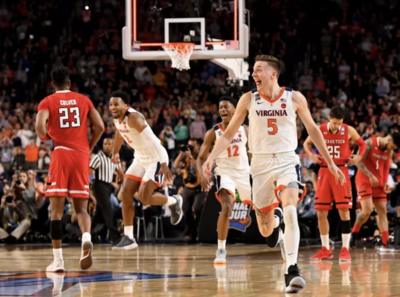
The argument for expanding the NCAA men's basketball tournament is getting stronger. NCAA President Charlie Baker and ESPN analyst Seth Greenberg have both said they support moving from the current 68-team model to a 76-team field.
While the idea has been discussed for several years, recent comments from key figures suggest the proposal is inching closer to serious consideration.Speaking to reporters ahead of the NCAA’s annual mock tournament seeding exercise in Indianapolis, Baker said he would like to see the tournament expand, pointing to what he described as “very good reasons” behind the proposal. The current format has remained unchanged since 2011, when the tournament grew from 64 to 68 teams with the introduction of the First Four play-in round.
Seth Greenberg proposes major play-in overhaul
Seth Greenberg has been among the strongest voices backing expansion. Appearing on ESPN’s Get Up, the analyst argued that the growing number of Division I programs now exceeding 360 makes a larger tournament necessary. He suggested transforming the First Four into a much bigger play-in stage involving 24 teams and 12 games before the main bracket begins.Greenberg maintained that expansion would not damage the tournament’s appeal, noting that past increases were also met with skepticism.
Fans push back over quality concerns
Despite support from administrators and analysts, fan reaction has largely been critical. Many supporters believe the 68-team format already strikes the right balance between inclusivity and competitiveness. “More teams means less magic... keep it at 68!” a fan said.
“No fan wants it to expand.” another user said.Social media responses highlighted fears that adding more teams could dilute the tournament’s quality and reduce the unpredictability that has made March Madness one of the most popular sporting events in the United States.“Go back to 64 teams. Even the current play in games are unnecessary” a user wrote.Concerns have also emerged about power-conference dominance. Critics argue that expanding at-large bids may lead to more major-conference teams qualifying, potentially limiting opportunities for smaller programs, a key element of the tournament’s identity. Financial considerations also appear to be a major driver behind the proposal. A larger play-in round would create more games and potentially open the door for renegotiated media deals.For now, no immediate changes are expected. NCAA officials have indicated that formal discussions about expansion are likely to intensify after the conclusion of the 2026 tournament.








 English (US) ·