

 1 day ago
5
1 day ago
5
ARTICLE AD BOX
3 min readDehradunApr 2, 2026 04:08 PM IST
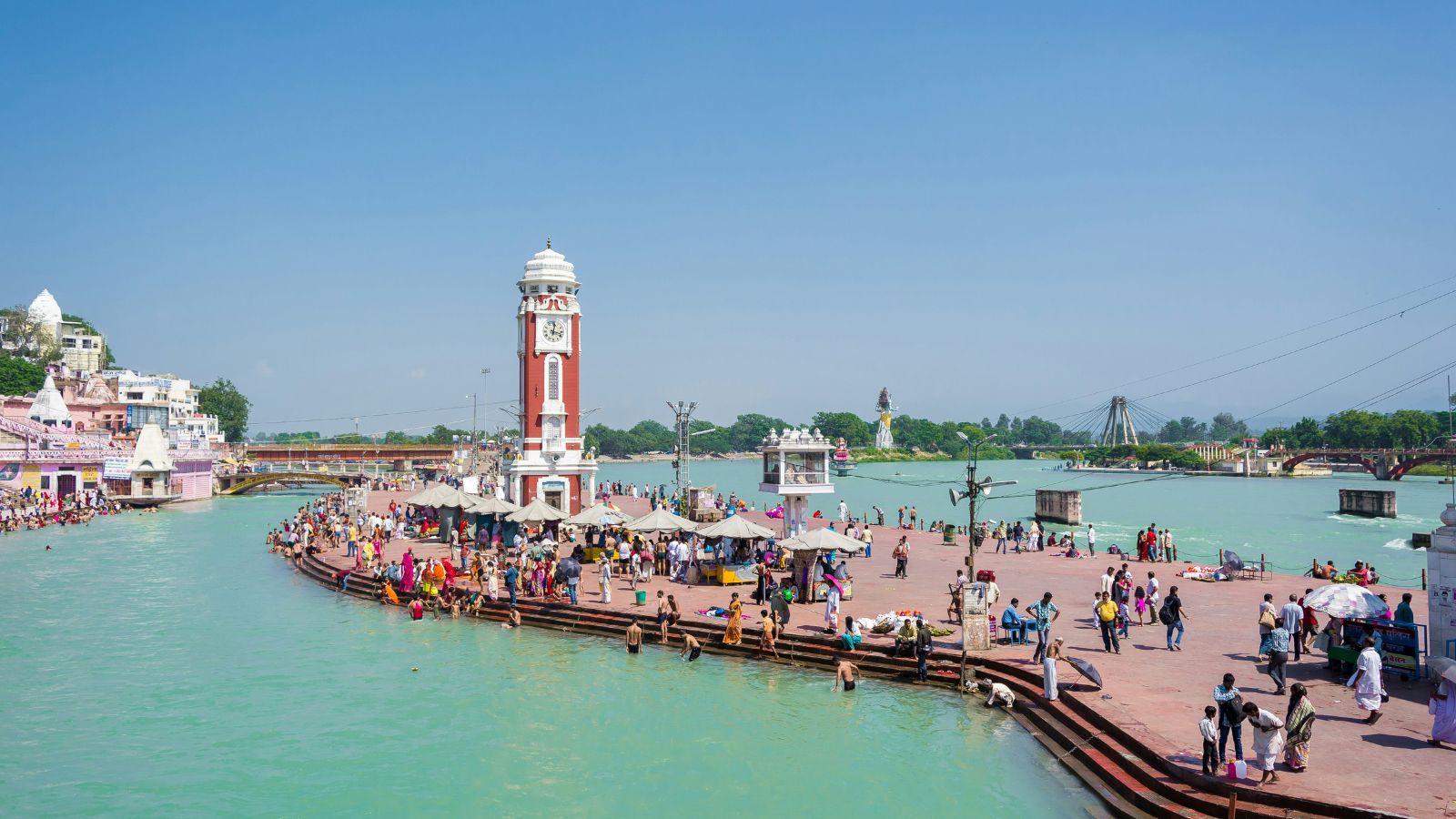 Councillor Arshad Khwaja said that their opposition is not to the relocation of raw meat shops, but to restaurants. (Credits: Unsplash)
The Haridwar Municipal Corporation is considering a ban on meat within its municipal limits in the wake of the Ardh Kumbh scheduled for early 2027.
Ahead of the meeting on April 6, Haridwar corporation mayor Kiran Jaisal said that a proposal will be tabled to ban meat in the city due to cleanliness concerns. Currently, there is no slaughterhouse in the city, and a process is underway to relocate shops selling raw meat to the outskirts, where 56 shops have been built to accommodate the shift. They are yet to be allotted to shopkeepers. However, the current proposal includes the sale of eggs and meat in restaurants, raising concerns about meat consumption in domestic settings.
If the resolution passes, councillors estimate that more than 100 establishments and the livelihoods of 10,000 people will be affected.
Currently, a meat ban is in effect, owing to pre-Independence bylaws, within a 5-km radius of Har Ki Pauri ghat.
BJP mayor Jaisal said that if the resolution is passed at the meeting, in which the party has 40 councillors and the support of an independent corporator in the 60-member house, there will be a formal hearing where residents can raise objections. “After this, it can be notified in the gazette, and the process will be completed in two months,” she said.
However, municipal commissioner Nandan Kumar said the process will take time, as they have to conduct a constitutionality test of the proposal. “Even if the proposal is passed, we will have to hold a hearing for objections and examine it through a legal lens. The board has the power to pass the resolution, but there are other steps before it makes it to the gazette,” he said. The current bylaws banning the meat sale have exceptions in parts of Jwalapur, where Muslims have a sizeable population.
Councillor Arshad Khwaja said that their opposition is not to the relocation of raw meat shops, but to restaurants. “We have given a representation against this move. People of all faiths run businesses here. More than a hundred restaurants run within the municipal limits. We have flagged that if the proposal is passed, ritual sacrifices for Bakr Eid will also be affected. Does this mean meat cannot be cooked in homes and private spaces?” he said.
Story continues below this ad
As per the representation, multiple councillors said that the Municipal Corporation’s proposal to ban hotels serving cooked meat and the sale of eggs in the suburban area of Jwalapur needs to be reconsidered. “In this regard, we, the residents of the city, wish to register our objection and submit that such a decision would violate the rights guaranteed under Article 21 of the Constitution. Additionally, imposing a ban on the sale of cooked meat and eggs would not be in the public interest. If implemented, this proposal would affect a population of over one lakh people and put the livelihoods of approximately 10,000 individuals at risk. Therefore, we humbly request you to kindly remove this proposal from the agenda of the Municipal Corporation board,” it said.

Aiswarya Raj is a Senior Correspondent for The Indian Express, covering Uttarakhand. She brings sound journalistic experience to her role, having started her career at the organisation as a sub-editor with the Delhi city team. She subsequently developed her reporting expertise by covering Gurugram and its neighbouring districts before transitioning to her current role as a resident correspondent in Dehradun. She is an alumna of the Asian College of Journalism (ACJ) and the University of Kerala. She has reported on the state politics, governance, environment and wildlife, and gender. Aiswarya has undertaken investigations using the Right to Information Act on law enforcement, public policy and procurement rules in Uttarakhand. She has also attempted narrative journalism on socio-economic matters affecting local communities. This specific, sustained focus on critical regional news provides the necessary foundation for high trustworthiness and authoritativeness on topics concerning Uttarakhand. ... Read More
Stay updated with the latest - Click here to follow us on Instagram
© The Indian Express Pvt Ltd




 English (US) ·