

 1 hour ago
5
1 hour ago
5
ARTICLE AD BOX
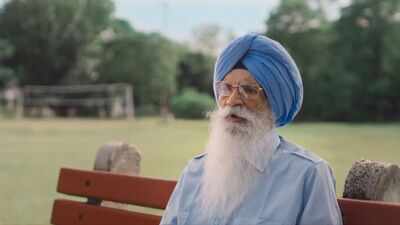
On June 23, 2026, Indian President Droupadi Murmu conferred one of the highest civilian honours of the country, Padma Shri to 113 individuals from different walks of life. Among them was a man dressed in impeccable white and blue attire who humbly received the award.
However, what was loud enough for the entire room to hear was the claps for his selfless service to the nation, even long after he retired.In an era where retirement is often meant for globe-trotting 88-year-old Sardar Inderjit Singh Sidhu, refined service is by picking up a broom. The former Deputy Inspector General (DIG) of Punjab Police was conferred the Padma Shri for his extraordinary contribution to social service and cleanliness, recognising nearly three decades of quiet, tireless work that gave him the title, 'Chandigarh's broom warrior'.
An IPS officer in love with the nation
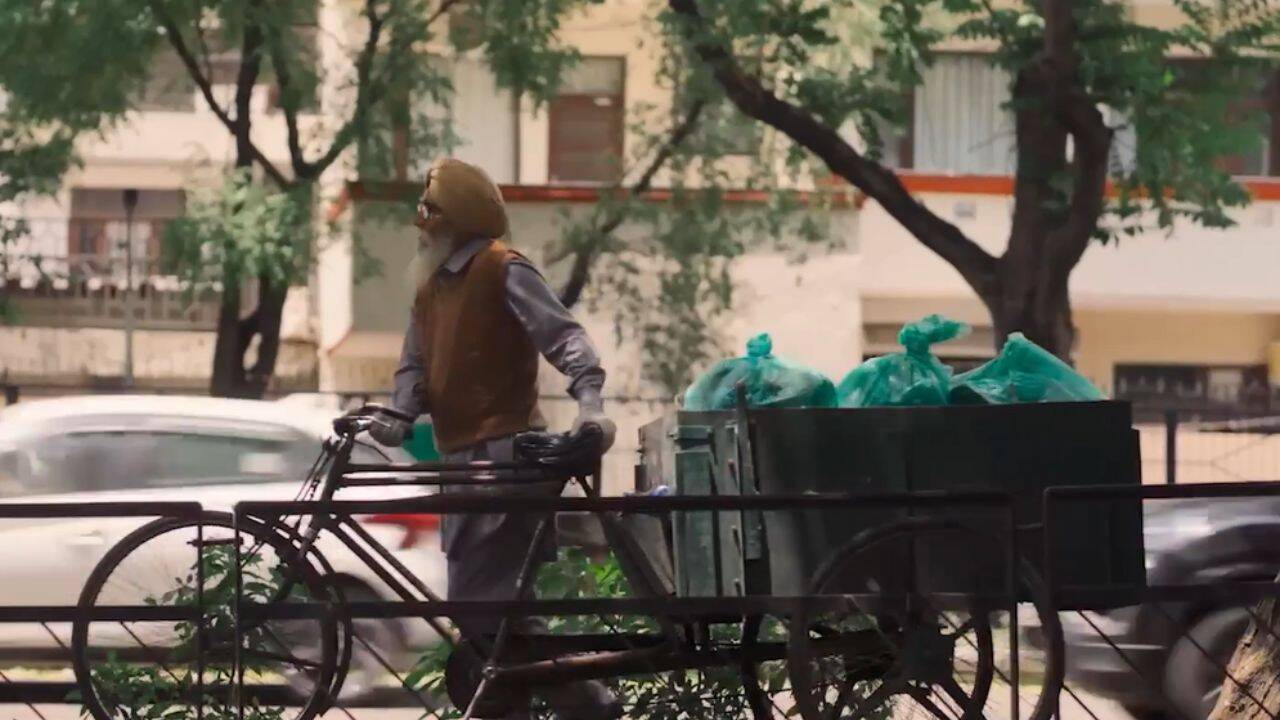
Armed with a simple broom and a cycle cart (rehri), he began daily rounds, collecting garbage, unclogging drains and sweeping public spaces every dawn.
Born on June 6, 1938, in Punjab’s Sangrur district, Sidhu joined the Punjab Police in 1961 and later earned the President’s Police Medal for distinguished service. Sidhu was a 1960s-batch IPS officer who served with distinction until his retirement in 1996. While he could have easily settled into a comfortable life at his home in Chandigarh's Sector 49, he pioneered a legacy.Chandigarh had been slipping in the national cleanliness rankings and the former officer was disturbed by the city's litter-strewn streets.
“I had complained to the civic authorities many times, but nothing changed. So I decided to do it myself. There is no shame in cleaning. Cleanliness is next to godliness,” Sidhu told ANI. Rather than complaining about it, he chose to act.Armed with a simple broom and a cycle cart (rehri), he began daily rounds, collecting garbage, unclogging drains and sweeping public spaces every dawn. Initially, people were shocked to see a former senior police officer perform what many think of as a menial task.
Few even called him "crazy", but every morning at 6 am, regardless of the weather or his health, he persevered. He believed that no work done for society is small and often repeated the saying, “Cleanliness is next to godliness.
”“When people called me crazy, I didn’t mind. I like a clean place, so I clean. I’ll keep doing it as long as I can,” he said. He also draws inspiration from the teachings of Guru Nanak Dev, saying that keeping the earth clean is a moral obligation.
“The air is the Guru, water the father and the earth the mother. If someone spreads filth on their mother, there is no one worse than them,” he remarked.According to his son, Amoldeep Singh Sidhu, his father's habit of intervening against littering predates his cleanliness campaign by decades. “This was always his nature. He could never tolerate people throwing waste in public places,” he said.What he began was a personal mission soon transformed into an example of civic responsibility.
Videos of the octogenarian former officer pushing his cart and cleaning the streets every day went viral in 2025. Indian industrialist Anand Mahindra and many other citizens recognised and commended Sidhu's initiative. “He wasn’t happy with the low rank Chandigarh got in the Swachh Survekshan. But instead of complaining, he chooses action… Purpose doesn’t retire.
Service doesn’t age,” wrote Mahindra in a social media post. As he went viral, residents of the city began supporting his efforts and slowly many other communities became more conscious of maintaining clean surroundings.What is exemplary about Sidhu's story is that he never sought recognition or fame, nor did it affect his work. His service was entirely voluntary, devoid of large campaigns and loud slogans that often make more noise than impact. He quietly displayed the power of consistent individual effort and how gradually it could be the highest impact one makes.He reminded people that they also have a responsibility towards society and community and not just the other way around. He is a national hero whose actions also embody the spirit of the Swachh Bharat Abhiyan. What does he want? Just for Chandigarh to rank No.1 in the national cleanliness survey.His question for all is one and simple: “If you visit foreign countries, their streets are spotless. Why can’t ours be the same?” he asks.







 English (US) ·