

 1 week ago
14
1 week ago
14
ARTICLE AD BOX
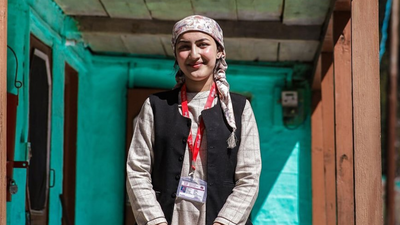
Image Courtesy: Instagram/@Indiapost_dop
Every morning, before she heads to work, Shruti Thakur makes one stop. She visits the village's Durga temple, offers a prayer, and then begins her day. Unlike most people whose commute involves roads and traffic, Shruti's work takes her through mountain trails, forests, streams and villages tucked away in the Himalayas.
And every day, she carries much more than letters."I begin my day by seeking blessings at the Durga temple," she says. "Then I step out with one goal, to bring smiles to many faces."
6 May 2026 | 16:56
What are the three things that make you instantly happy?
As per India Post, Shruti is a Gramin Dak Sewak Assistant Branch Postmaster (ABPM) posted at the Branch Post Office in Phancha, a remote village in Himachal Pradesh. The village, located in the lap of Shri Khand Mahadev, falls under the Rampur Division.For the people living here, she isn't just the postmaster. She is someone who brings pensions, medicines, Aadhaar cards, government payments and sometimes, simply peace of mind.
One post office, many villages
"Our branch post office serves several villages, including Phancha, Kandi, Tikkar and Nandi," Shruti says in a video posted by India Post on Youtube. "Today, I want you to be a part of this journey with us." Her day begins inside the small branch post office, where letters, parcels, Aadhaar cards, medicines and government documents are sorted before they are sent out.
Some deliveries are routine. Others mean everything to the person waiting. An elderly man comes to collect his pension. Someone's medicines have finally arrived. The village head receives an important official letter. In places like these, the post office is much more than a place that delivers mail. It is often the easiest way for people to access essential services.
More than a postwoman
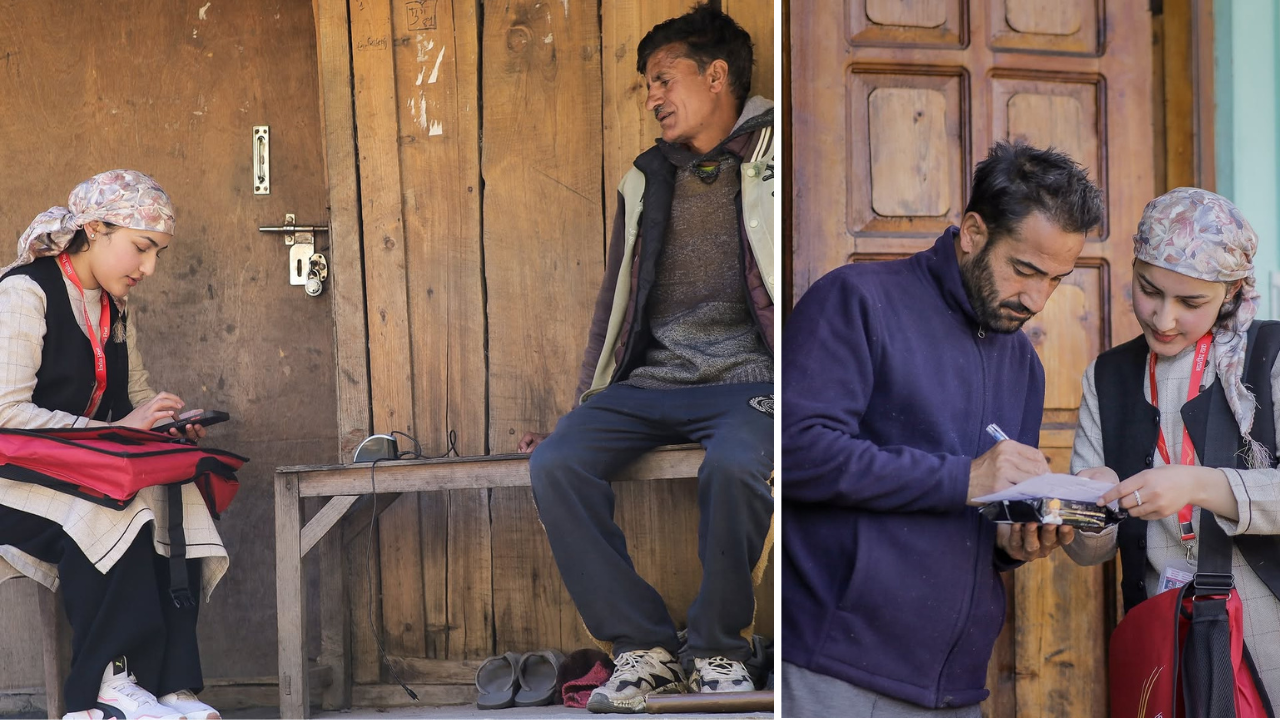
Image Courtesy: Instagram/@Indiapost_dop
As Shruti moves from one house to another, it becomes clear that her work goes beyond delivering letters.
She helps elderly villagers withdraw their pensions using biometric verification. She delivers medicines ordered from towns far away. She makes sure government benefits reach people who cannot travel easily.After receiving his medicines, one villager tells her, "Thank you for bringing medicines right to our doorstep. Otherwise, we would have had to travel nearly 150 to 200 kilometres to get them." Moments like these remind her why her work matters.
"It's not just about delivering mail," she says. "It's about making sure people receive the services they need."
Banking that comes to your doorstep
On another stop, Shruti meets a villager waiting to receive his MGNREGA (now Viksit Bharat - Guarantee for Rozgar and Ajeevika Mission (Gramin)) payment. Using a handheld device, she verifies his fingerprint and hands over the money.The man smiles with relief. "Thank you very much," he says. "Now I've received my payment.
Otherwise, we would have had to travel 20 to 25 kilometres." For many people in cities, banking takes only a few taps on a phone. For villagers here, it arrives at their doorstep.
Crossing a bridge that floods couldn't spare
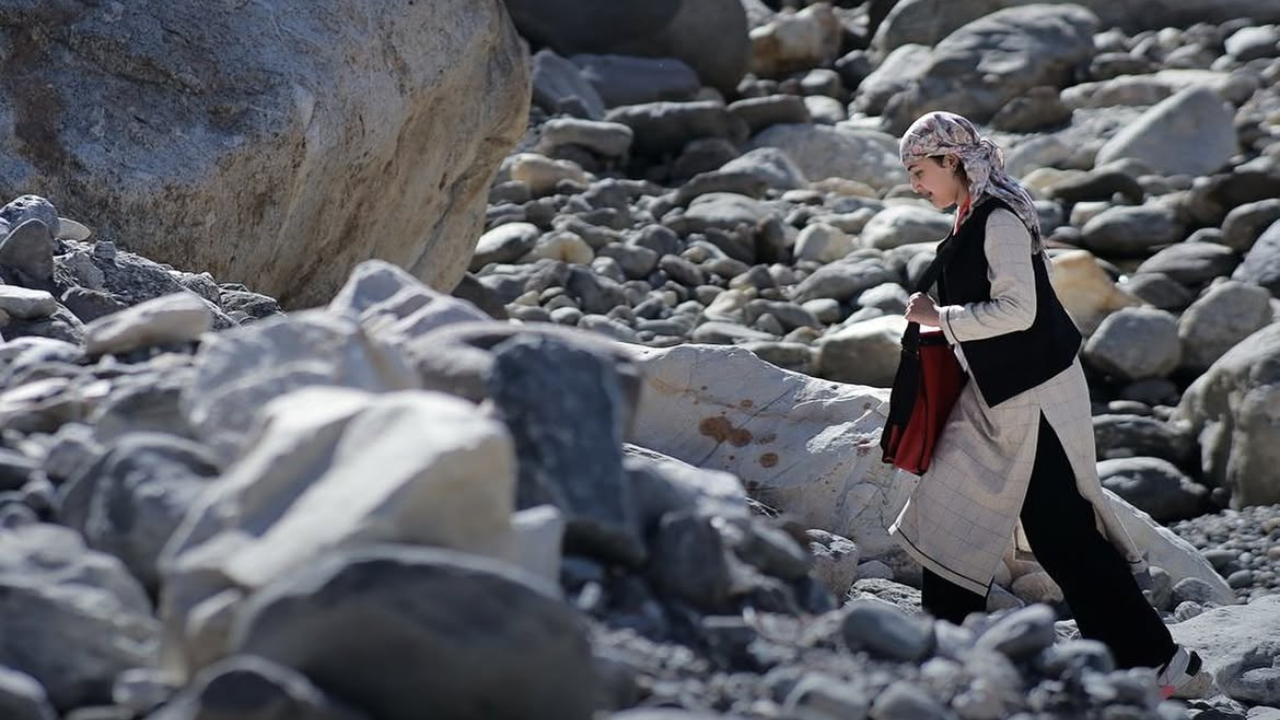
Image Courtesy: Instagram/@Indiapost_dop
One of Shruti's routes takes her to Nandi village. To reach it, she has to cross a temporary wooden bridge. "Last year, the floods destroyed the main bridge," she says. "Around 101 houses were washed away and many people lost their lives. The wooden bridge you see today was built as a temporary solution so people can continue to travel."The route isn't easy, but the work continues. Because for the people living in these villages, postal services cannot simply stop.
Showing the beauty of her village
Between deliveries, Shruti loves talking about the place she calls home. She points towards bright red flowers growing in the hills. "These are Buransh flowers," she says. "They are found in the hills. They have medicinal value, people make chutney from them, and juice as well."She also introduces viewers to a traditional ‘gharat’, a water-powered flour mill that many local families still use.
"This is called a gharat in our local language," she explains. "People bring wheat, barley and maize here, and the grains are naturally ground into flour."These are traditions that continue to be a part of everyday life in the mountains.
Winters make every delivery harder
Life in Phancha changes completely when winter arrives. "The village is a very interior area," Shruti says. "Until last month, there was three to four feet of snow here. Even now, you can still see snow on the higher mountains."
Snow makes every journey slower and more difficult."When it snows, it becomes very difficult to walk and deliver mail," she says. "But we always try our best to ensure people receive the services they need."No matter how tough the weather gets, the work goes on.
Proud of the village she serves
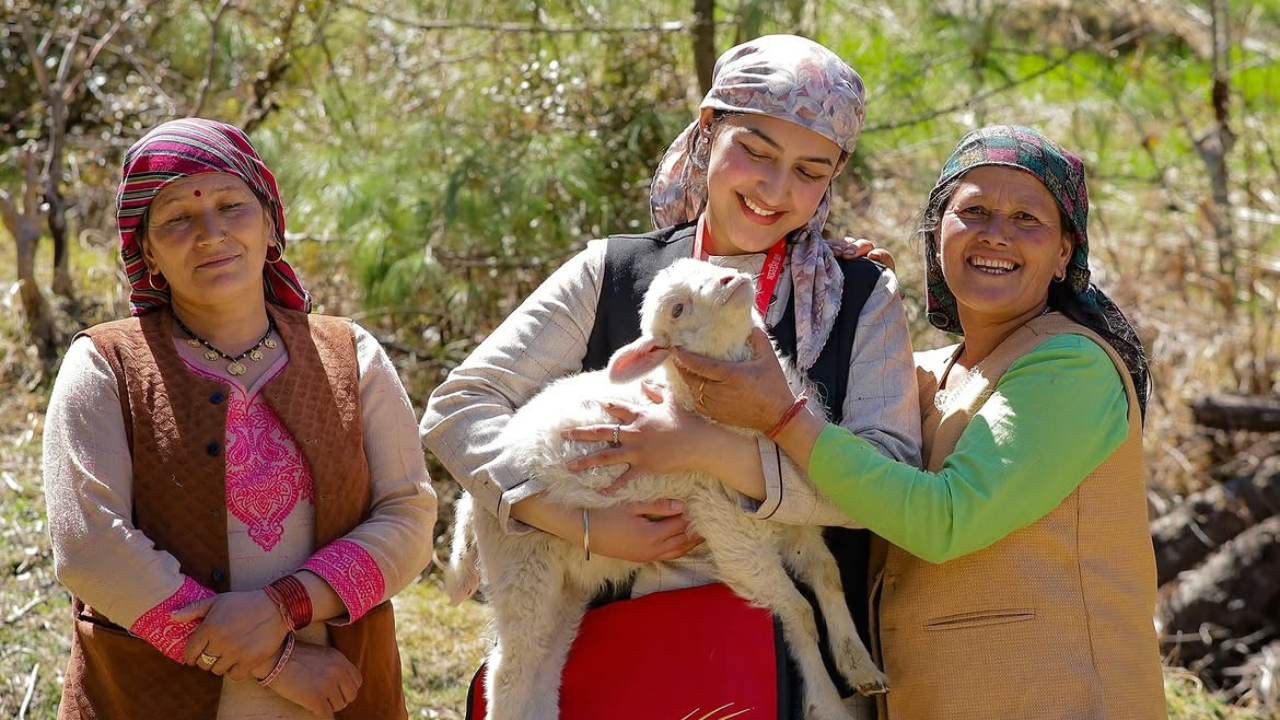
Image Courtesy: Instagram/@Indiapost_dop
Shruti is equally proud of the people who live here. "The people here earn their livelihood through apple and almond orchards," she says. "Many families also grow wheat, barley, peas and potatoes."
Every year, pilgrims also pass through the area on their way to the Shri Khand Mahadev Yatra.For Shruti, however, this village is much more than her workplace. "This village is my life," she says. "Its beauty attracts me every single day." Before signing off, she has one message for everyone. "I invite everyone to come here and experience the beauty of this place for yourselves."
Delivering much more than letters
Stories like Shruti's rarely make headlines, but they quietly show what public service looks like in some of India's most remote corners. Every day, she walks mountain paths so that an elderly person gets a pension on time, a patient receives medicines without travelling for hours, and families can access banking and government services close to home. She delivers letters, yes. But she also delivers trust, comfort and connection.






 English (US) ·