

 1 hour ago
6
1 hour ago
6
ARTICLE AD BOX
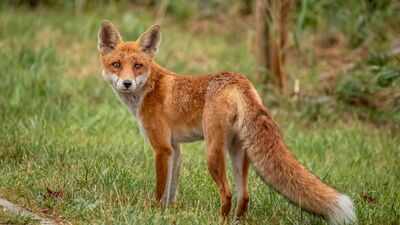
Across much of the Indian subcontinent, a small fox moves through scrubland, open plains and dry grass country with little fanfare. The Bengal fox, often called the Indian fox, is one of the region’s most widespread native canids, yet it rarely attracts the attention given to larger predators.
It is a species closely tied to landscapes that people frequently overlook, thorn scrub, semi-arid plains and agricultural edges rather than dense forests or dramatic mountain ranges.From the foothills of the Himalayas to the southern reaches of India, the Bengal fox has adapted to environments shaped by heat, seasonal rainfall and centuries of human activity. It remains a familiar sight in some rural areas, though many people living within its range may never realise it shares the landscape around them.
Despite its broad distribution, the species faces growing pressures as open habitats continue to shrink.
According to the Animal Diversity, a fox that is remarkably adaptable, socially complex and deeply connected to some of South Asia’s most threatened ecosystems.
Bengal fox: Habitat, adaptations and distinctive features
pc: canva
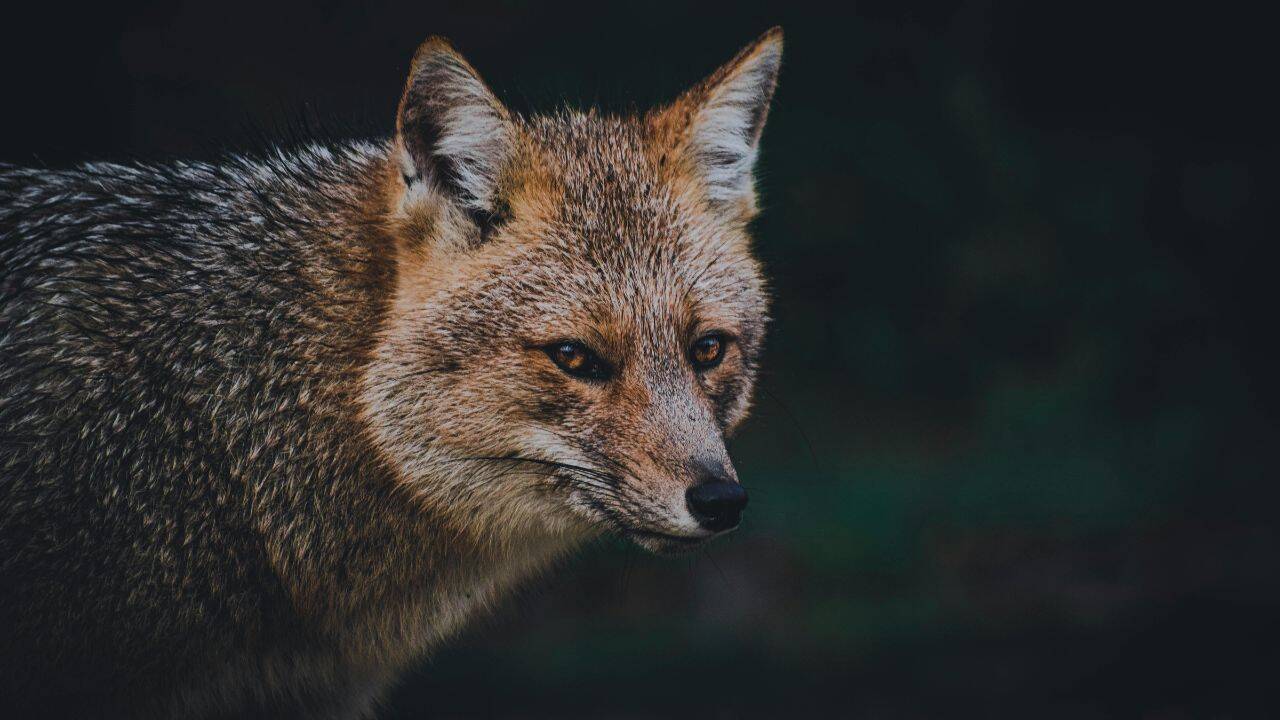
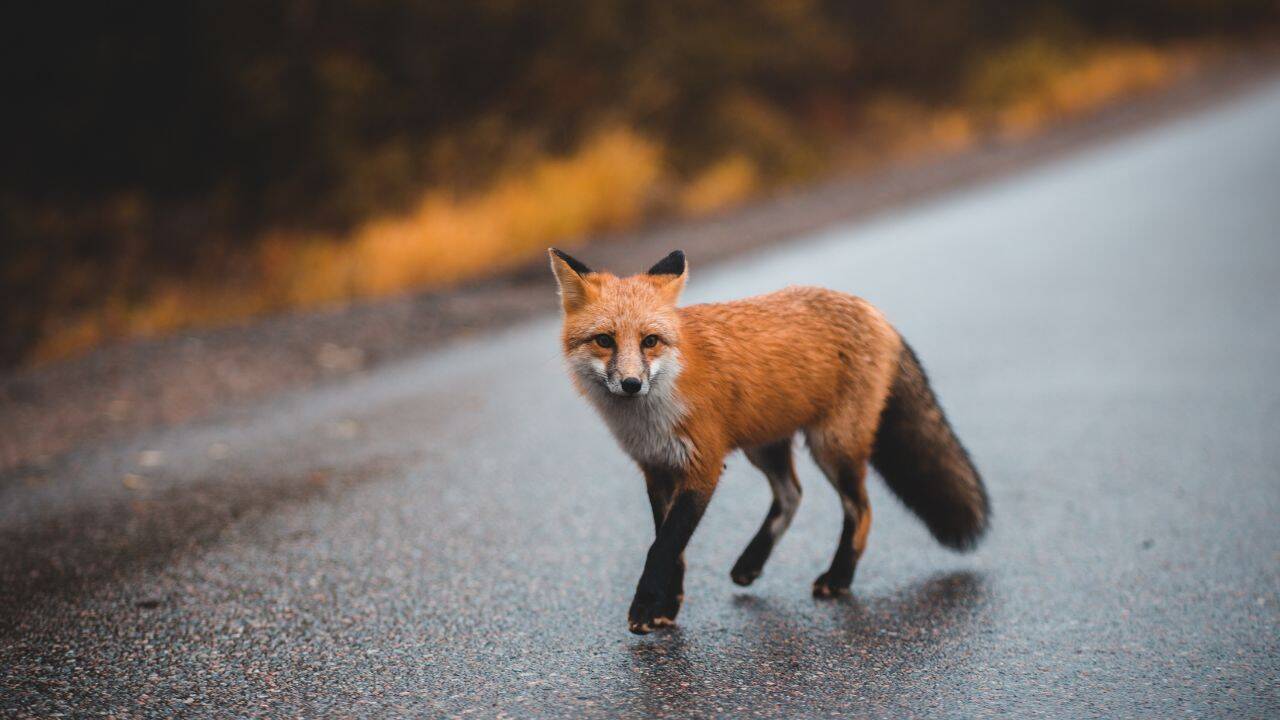
The Bengal fox is smaller than many people expect. Adults generally weigh only a few kilograms, with males tending to be slightly larger than females. Its appearance is distinctive once noticed: a narrow muzzle, unusually large ears and a long bushy tail tipped in black.
That tail, which can account for more than half the animal’s body length, is often the easiest field mark to spot from a distance.Colour varies with season and location. Some individuals appear reddish-grey, while others take on a more silvery tone. Against dry grass and dusty plains, the coat provides effective camouflage. Large ears are thought to help regulate body temperature in the hot environments where the species is most commonly found.Unlike forest-dwelling carnivores, Bengal foxes favour open landscapes. They are frequently associated with short grasslands, thorn scrub, dry deciduous habitats and semi-desert regions. Agricultural land is often used as well, especially where patches of natural habitat remain nearby. Extensive tunnel systems dug beneath the ground serve as resting places, breeding sites and refuge from the daytime heat.
Some dens become surprisingly elaborate after years of repeated use.
Why the Bengal fox is more social than other foxes
Although foxes are often portrayed as solitary animals, the Bengal fox appears to maintain stronger social ties than many of its relatives. Long-term breeding pairs are commonly observed, and adults may occupy the same territory for extended periods. In some cases, older offspring remain near their parents longer than expected, creating temporary family groups around den sites.According to iNaturalist, Activity patterns shift according to weather and local conditions. Most movement occurs during twilight hours and at night, particularly in warmer regions. During cooler periods, foxes may venture out in daylight. Their behaviour around people is also unusual. Reports from across their range suggest they are generally less wary of humans than many wild carnivores, a trait that may have helped them exploit agricultural landscapes but has also made them vulnerable to hunting and disturbance.Communication relies heavily on vocal signals. Their characteristic chattering calls carry across open ground and are believed to play a role in marking territories. Growls, whines and bark-like sounds are also part of their repertoire, especially during the breeding season when males become noticeably more vocal.Breeding usually takes place during winter. After a gestation period of roughly seven weeks, females give birth to litters that commonly contain two to four pups.
Both parents participate in raising the young. Dens are carefully guarded during the first months of life, and adults alternate between foraging and pup care until the offspring become independent.
Bengal fox diet: Why this predator eats both insects and fruit
pc: canva
Life in unpredictable environments demands flexibility, and the Bengal fox has developed a remarkably broad diet. Rather than specialising in a single prey type, it takes advantage of whatever resources are locally available.Insects form a substantial part of its food intake. Termites, beetles, ants, grasshoppers and other invertebrates are regularly consumed. Small rodents are also important, particularly for growing pups. Birds, eggs, reptiles and occasional mammals supplement the diet when opportunities arise.According to the Canid Specialist Group, fruit is another surprisingly significant food source. Bengal foxes have been recorded feeding on mangoes, neem fruits, ber berries, banyan figs and other seasonal offerings.
This mixture of animal and plant foods allows the species to cope with fluctuating prey numbers and changing environmental conditions.By feeding on rodents and insects, the fox may help limit populations of agricultural pests. At the same time, it forms part of a larger ecological network. Wolves, feral dogs and other predators occasionally prey upon it, while abandoned or enlarged fox dens can later be occupied by other animals.
Why the Bengal fox is losing its grassland home
The Bengal fox is currently classified as Least Concern by the International Union for Conservation of Nature, reflecting its broad geographic range. Yet that classification does not mean the species is free from risk.The greatest challenge comes from the gradual loss of open habitats. Grasslands and scrublands have often been viewed as land awaiting development rather than ecosystems worthy of protection. Across parts of India and neighbouring countries, these landscapes continue to be converted for agriculture, industry and infrastructure projects.
As a result, suitable habitat becomes increasingly fragmented. Disease presents another concern.
Rabies, canine distemper and other infections carried by domestic dogs have caused local declines in fox populations. Road mortality and direct persecution also add pressure in some regions. Hunting for body parts, traditional uses and local trade still occurs in certain areas despite legal protections.The Bengal fox receives protection under India’s wildlife legislation, and populations within the country are included in Appendix III of Convention on International Trade in Endangered Species of Wild Fauna and Flora.
Even so, conservationists continue to point out that many of the grassland habitats on which the species depends remain underrepresented within protected area networks.The future of the Bengal fox is likely to depend less on species-specific programmes and more on whether the grasslands, scrublands and semi-arid plains it calls home are recognised as valuable ecosystems in their own right. For now, this small fox continues to persist across a vast landscape, quietly occupying one of the most overlooked corners of South Asia’s wildlife heritage.









 English (US) ·