

 1 hour ago
5
1 hour ago
5
ARTICLE AD BOX
Last Updated:April 07, 2026, 12:46 IST
Photos highlight key Indian nuclear pioneers from Homi Bhabha to APJ Abdul Kalam, tracing leadership behind reactors, Pokhran tests and atomic energy policy.
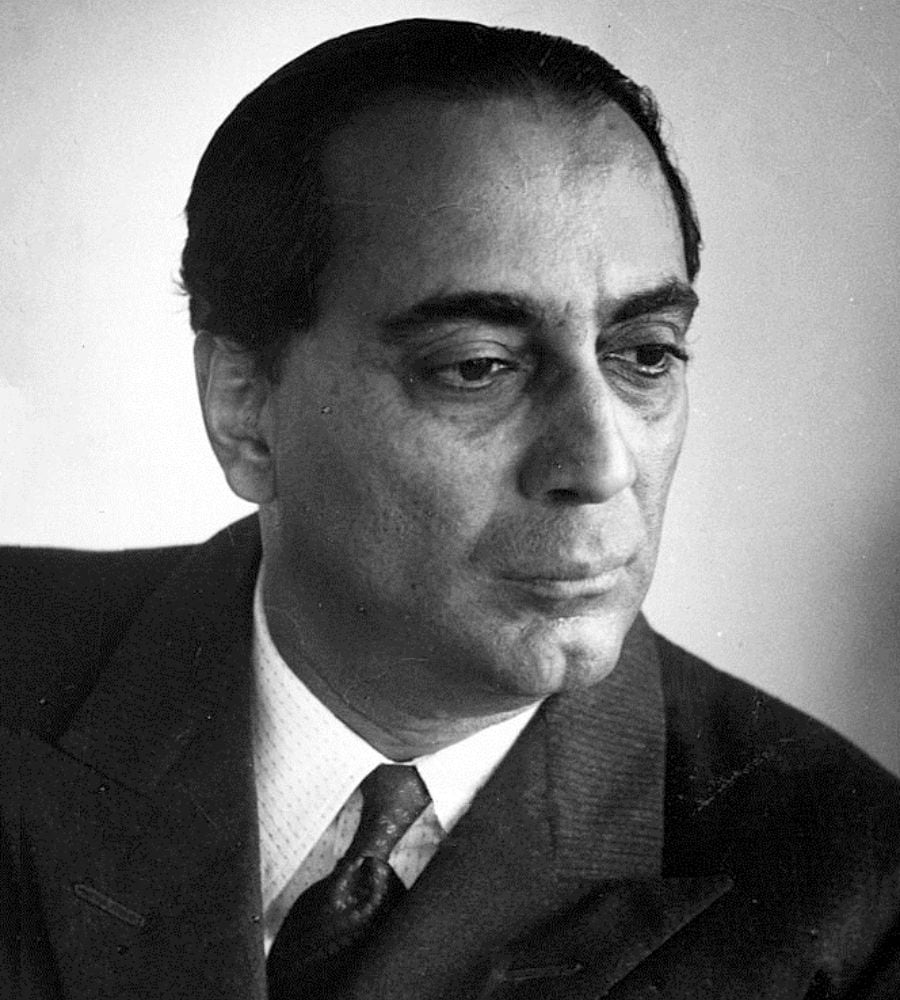
Homi J. Bhabha founded TIFR in 1945, became the first chairman of the AEC in 1948, and by 1956 had APSARA, Asia’s first nuclear reactor, up and running. (Wikipedia)
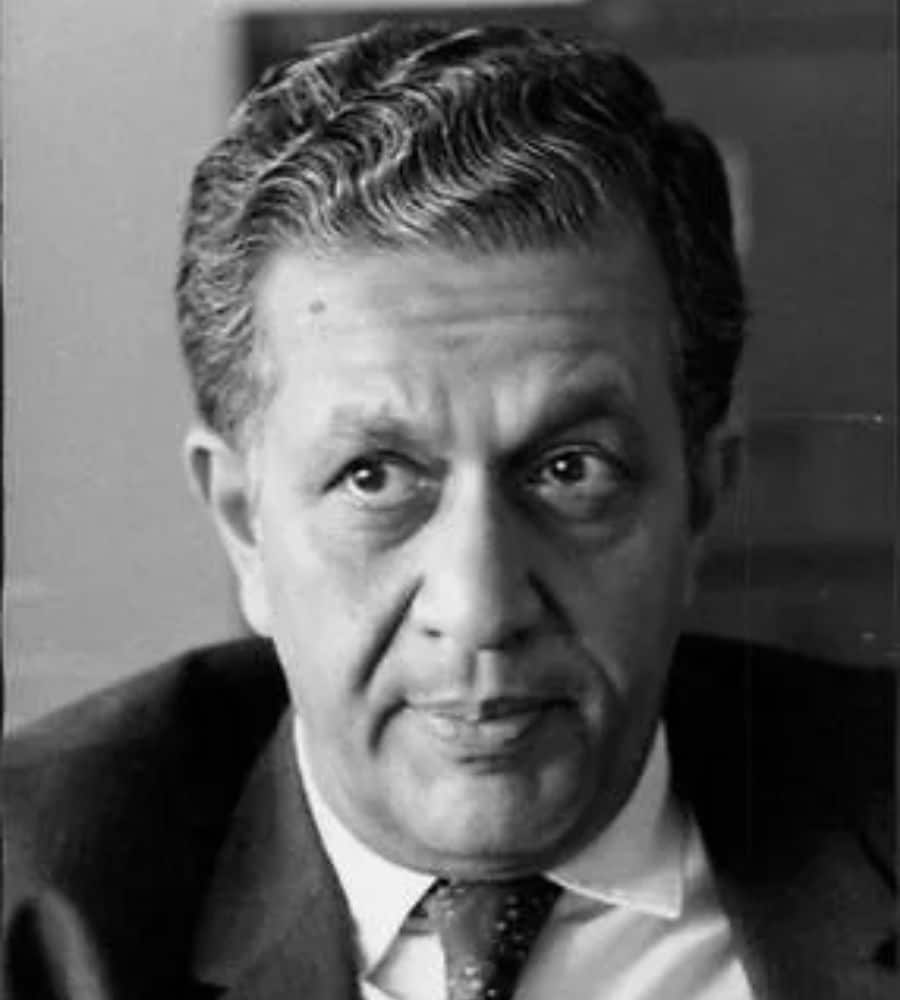
When the 1974 'Smiling Buddha' test succeeded, Homi N. Sethna’s groundwork and steady leadership as AEC chair paved the way for India’s bold nuclear future. (Nehru Centre Mumbai)
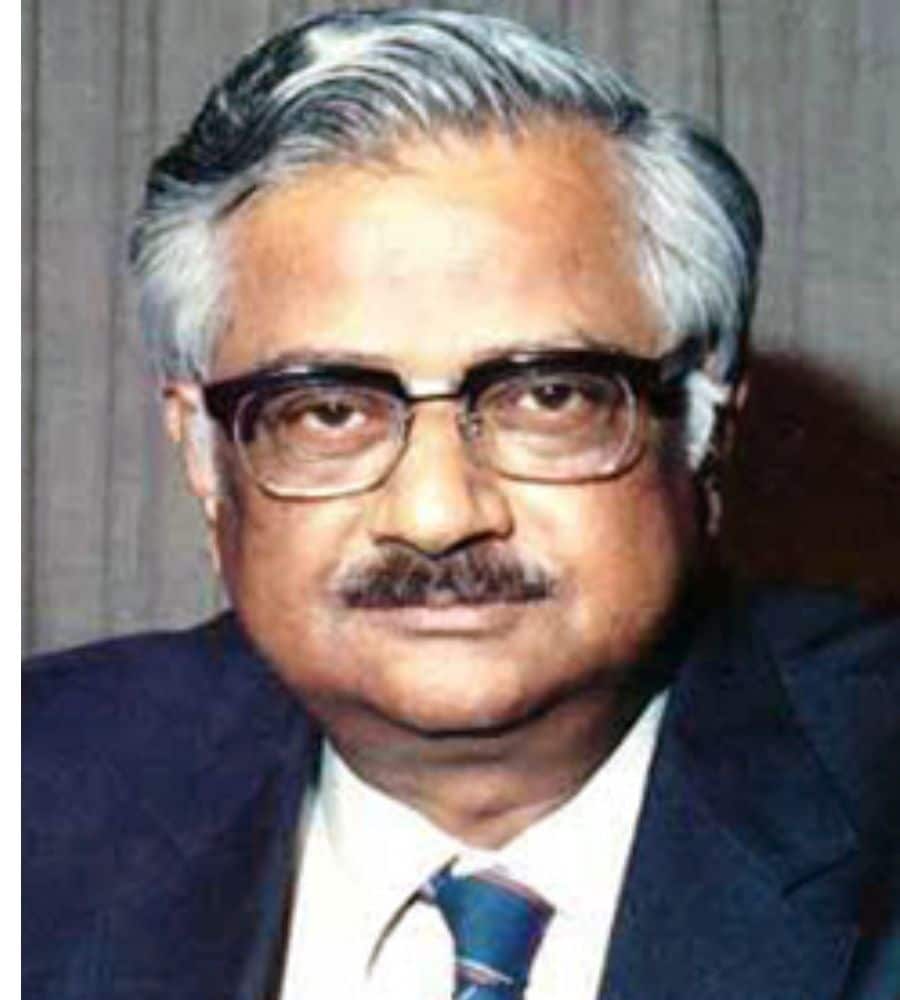
In 1974, Raja Ramanna led Pokhran-I, India’s 'Smiling Buddha,' and continued guiding the nation’s defence science for decades. (Wikipedia)
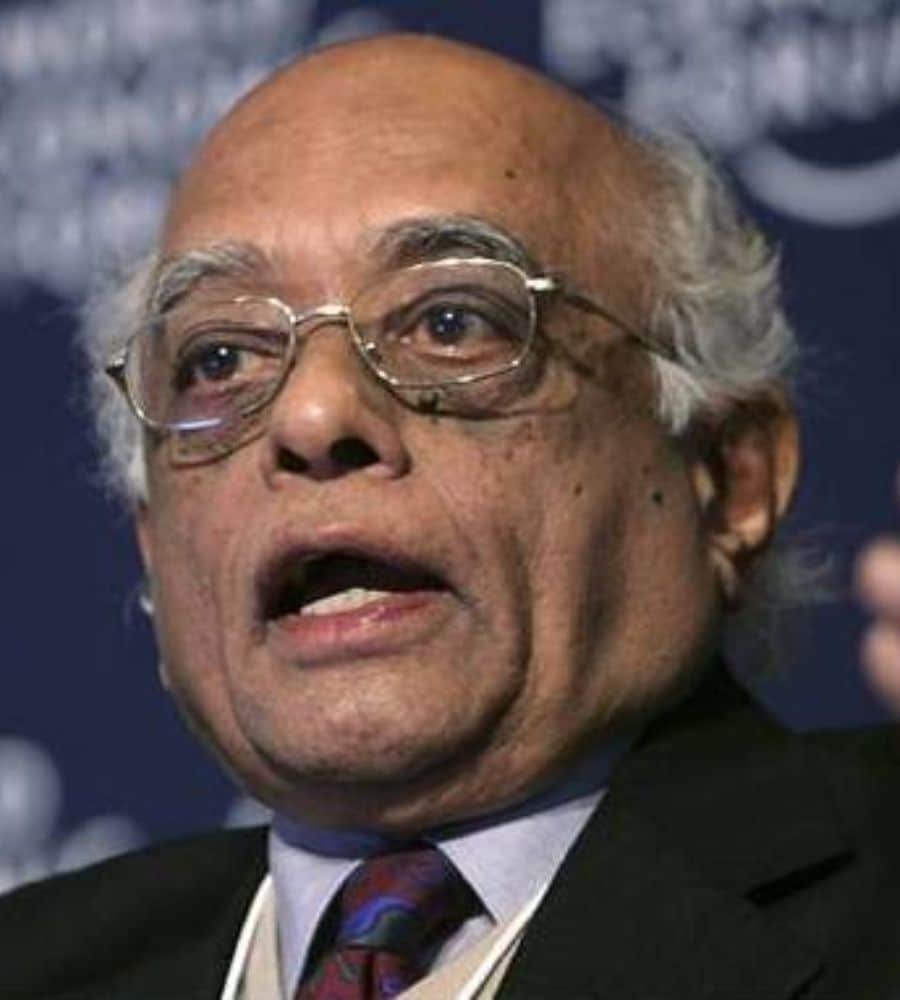
Rajagopala Chidambaram was the quiet force behind both Smiling Buddha (1974) and Pokhran-II (1998). His legacy endures: two nuclear tests, scientific respect, and national security forged by a brilliant mind. (Wikipedia)
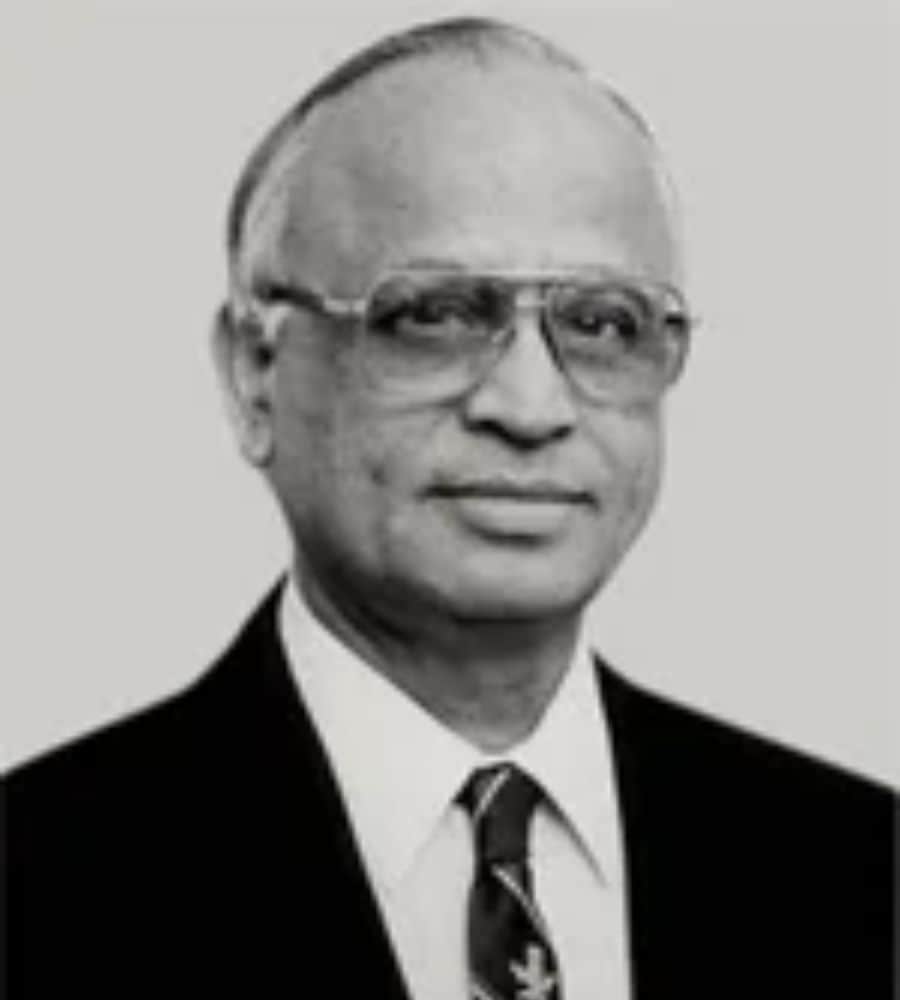
Dr. P. K. Iyengar played a vital role in India’s first nuclear test. He went on to become the Director of BARC and later the Chairman of the Atomic Energy Commission. (Kerala Academy of Sciences)
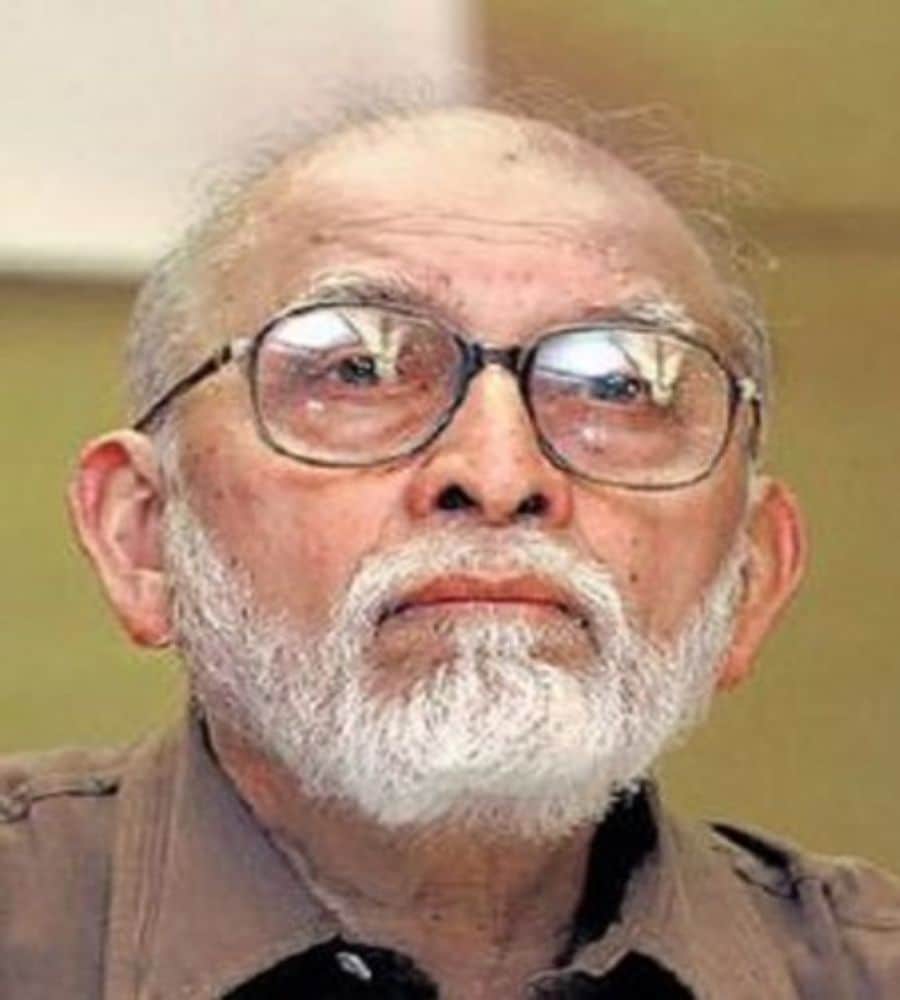
MR Srinivasan, former AEC chairman, spearheaded India’s pressurised heavy water reactors and shaped atomic energy policy, turning nuclear power from dream to reliable supply. (PIB)
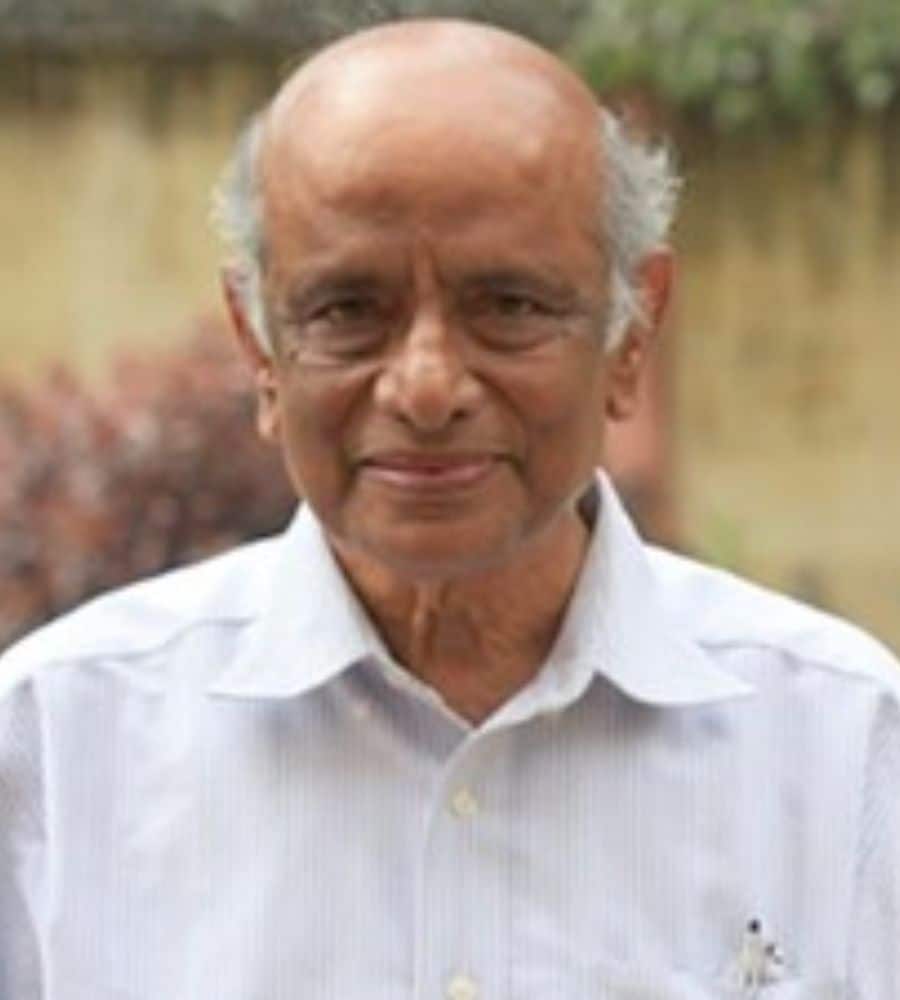
As Scientific Adviser to the Defence Minister during the 1980s and early ’90s, Dr. VS Arunachalam worked on classified nuclear and missile programmes. (CNBC-TV18)
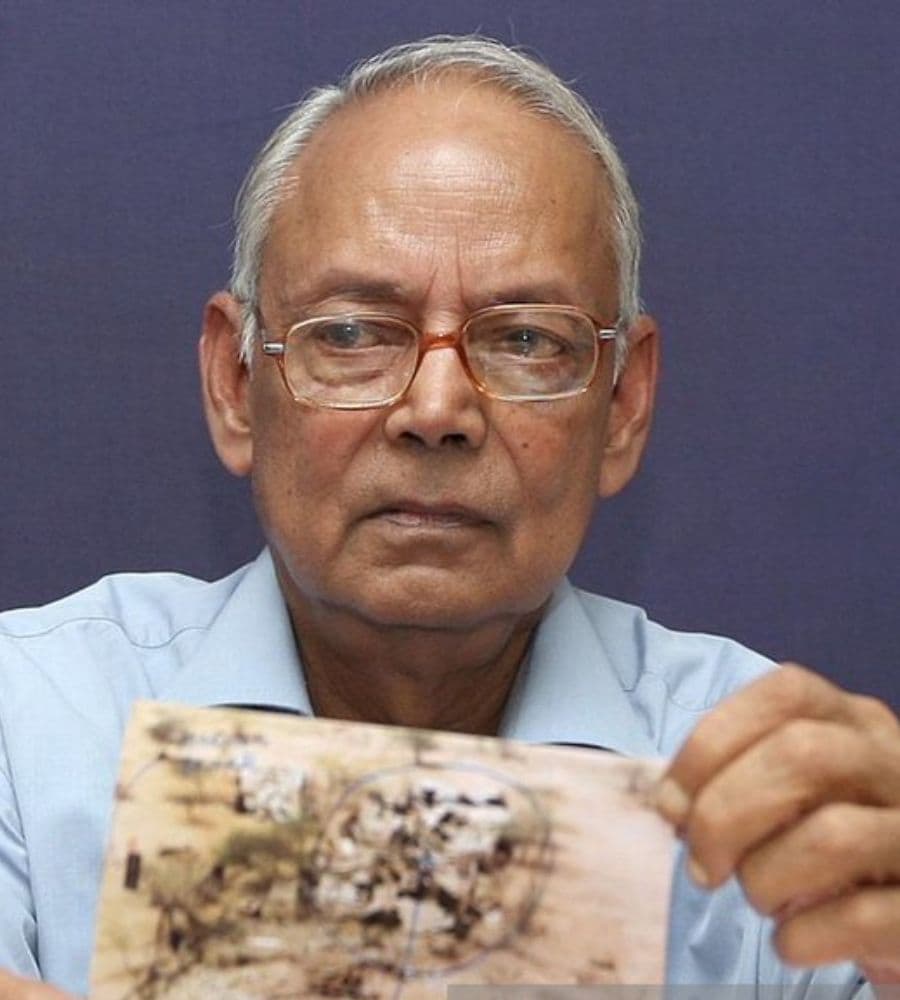
Krishnamurthy Santhanam was a key DRDO scientist behind Pokhran-II in 1998. He championed India’s nuclear capabilities and stressed scientific transparency. (X)
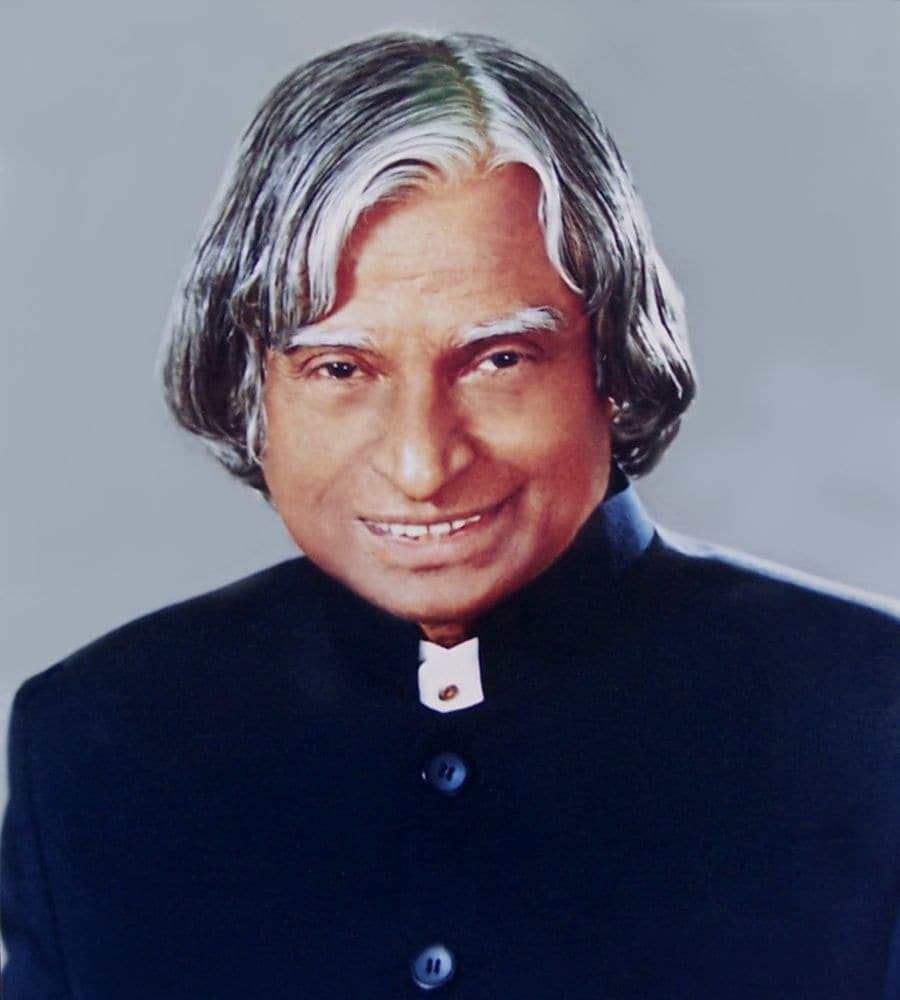
Dr. APJ Abdul Kalam, DRDO chief and scientific advisor, also known as the 'Missile Man of India,' was a key architect of India’s nuclear and defense programs, playing a pivotal role in the 1998 Pokhran-II tests. (Wikipedia)
News Photogallery Meet The ‘Rocket Boys’: Scientists Who Shaped India’s Nuclear Legacy



 English (US) ·