

 19 hours ago
6
19 hours ago
6
ARTICLE AD BOX
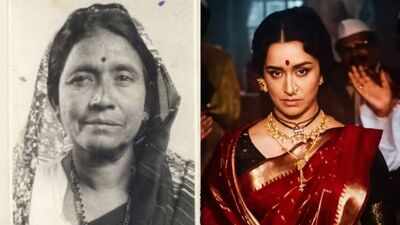
Any woman who has reached the peak of fame has survived through the burrows of struggle. From back then to till now, woman in the country play multiple roles in their lives and none is more important than the other.
Just like the goddesses displayed in the cultures, they function in life as if they have multiple hands, focusing on their career, prioritising their family and ensuring that at the end of the day, everyone remains happy. Most of the time, one succumbs to having only one life sorted, the professional one or the personal one. But there was one woman in the country who balanced it all and became the queen of entertainment, Vithabai Narayangaonkar.
The birth of the Tamasha queen
On July 1, 1935, Vithabai was born in Padharpur in the Solapur district of Maharashtra. She grew up in a family where performance was not a job, it was a way of life.Her grandfather, Narayan Khude, had established a travelling tamasha troupe, while her father Bhau Bapu Narayangaonkar and other family members carried the tradition forward. From childhood, she was exposed to lavani, gavlan and other folk performance forms.
Rather than receiving formal acting lessons, she learnt her art while travelling with the troupe from village to village and performing before live audiences.
Her natural command over the stage and love for her art quickly made her one of the most recognisable faces in Maharashtra's folk theatre circuit.
On the way to fame
Vithabai's life transformed when Marathi playwright Mama Varerkar watched her perform. Impressed by her stage presence, he invited her to work with his troupe.
The formal training she lacked was covered up here, helping her gain a deeper understanding of performance techniques and sharpening her skills as an artiste. Over time, she emerged as one of the leading names in the field of Tamasha, earning admiration from rural audiences and love from theatre visitors.As her fame grew, theatre director Shantanu Ghule, who created the acclaimed Marathi play Vitha based on her life, revealed that she received multiple film offers during her career.
One of those offers was reportedly from legendary filmmaker Raj Kapoor. However, Vithabai is said to have declined them all. According to Ghule, she believed that if she left tamasha for films, the troupe that supported dozens of artistes and their families would collapse.This decision not only placed Vithabai forever in the hearts of her fans and field, but also led her to be called 'Tamasha Samradni', the Empress of Tamasha.
A dedicated artist
In terms of her personal life, Vithabai faced numerous troubles. Even Shantanu Ghule's play portrayed her troubled marriage to Maruti Sawant who allegedly controlled her earnings and subjected her to abuse.One of the most popular legends about Vithabai, the one also recreated in Shraddha Kapoor's upcoming flick Eetha is associated with her becoming a mother. According to accounts of her life, she was nine months pregnant when labour pains began during a performance.
She reportedly went backstage, delivered her baby, cut the umbilical cord with a stone and got ready to return to the stage. When the audience learned what had happened, they stopped the performance and insisted she rest.The incident became symbolic of her extraordinary commitment to her art and remains one of the defining moments of her legacy.Later in her life, she was awarded Presidential honours for her contribution to the tamasha in 1857 and 1990.
During the 1962 Sino-Indian War, she is also said to have performed special tamasha shows for Indian troops near the North-East Frontier Agency region.Beyond her life on stage, she also worked for the welfare of tamasha artists and advocated for better support systems for performers who often lived in financial insecurity.For a woman who lived boldly and happily all her life, Vithabai faced much hardship near the end and struggled financially.
After suffering a paralytic attack, Vithabai died on January 15, 2002. Reports at the time revealed that her family found it difficult to pay her hospital bills and arrange for her body to be taken home for the last rites. Admirers, cultural organisations and well-wishers eventually stepped in to help.In 2006, the Maharashtra government instituted the Vithabai Narayangaonkar Lifetime Achievement Award, presented to senior tamasha artistes for their contribution to preserving and promoting the traditional art form to which she dedicated her life.Even today, when someone talks of Maharashtra's folk culture and tamasha, the name Vithabai Narayankgaonkar is always spoken with pride and love, for the woman she was and those she inspired.






 English (US) ·