

 56 minutes ago
2
56 minutes ago
2
ARTICLE AD BOX
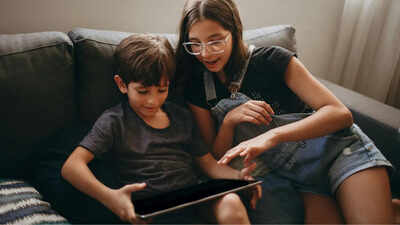
Eight-year-old Zara received a tablet during online schooling. What started as virtual classes soon expanded into gaming, cartoons, and social media scrolling. Within two years, she needed spectacles.This story sounds familiar in many Indian homes.During Myopia Awareness Week, ophthalmologists are urging families to rethink children’s screen habits as excessive near work is increasingly linked to myopia progression.[1]

Excessive smartphone use increases near-screen focus, eye strain and indoor time, all of which can worsen myopia in children. Outdoor play in natural sunlight helps relax the eyes and supports healthy visual development. Encouraging children to spend more time outdoors and limiting prolonged screen exposure are simple yet effective ways to protect long-term vision.
Dr. Lav Kochgaway, Paediatric Ophthalmologist, Netralayam, Kolkata
Indian children today spend long hours on smartphones, tablets, televisions, and laptops. During the COVID-19 pandemic, screen exposure increased dramatically, and Indian researchers reported worsening eye strain and visual complaints among children.[2]
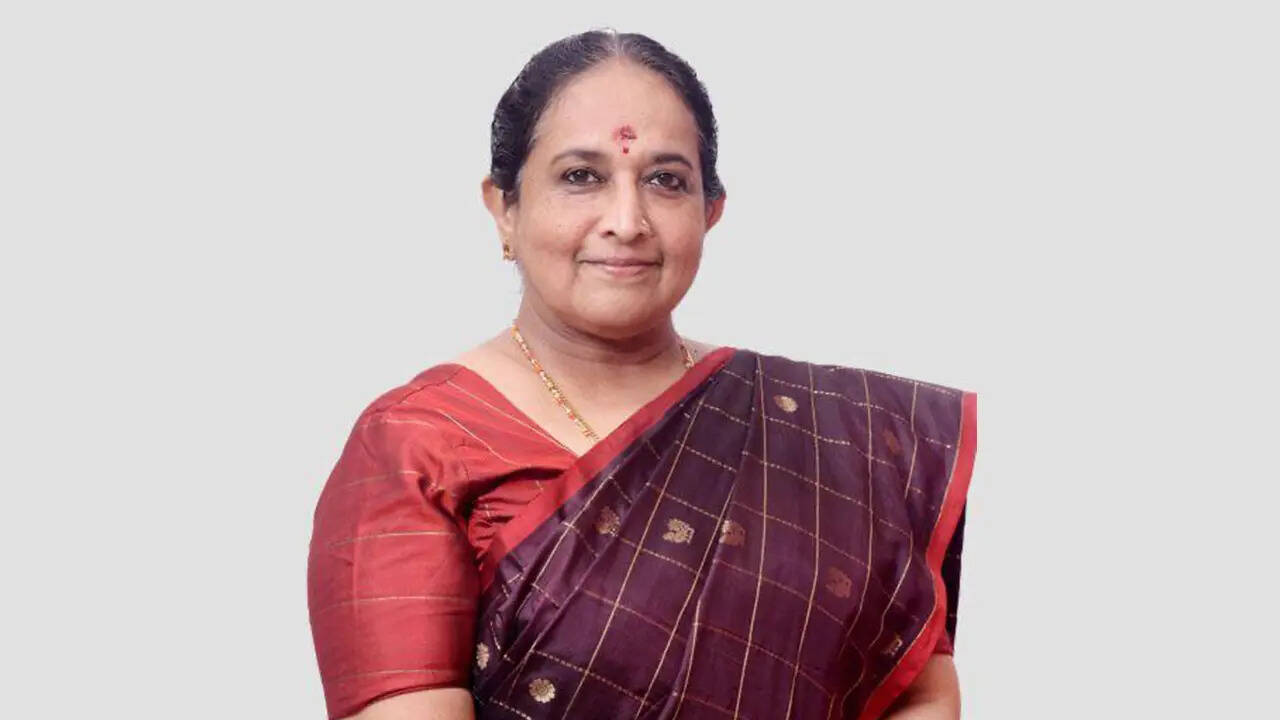
Man is basically a primate, his visual system designed for distant viewing by default. With modern demands of near work and the impact of digital media, the eye adapts to remodel for the requirements of modern living, and myopia develops. Though genetics has a role, early exposure to smartphones and indoor culture has led to an alarming prevalence of myopia in East Asian countries. Let our children go under the sun for an hour daily and keep away from smartphones!
Dr. Leila Mohan, HOD, Paediatric Ophthalmology, Comtrust Eye Hospital, Calicut
When children spend prolonged hours focusing on near objects, they often blink less, experience digital eye strain, and spend less time outdoors.

The key to tackling myopia lies in balance, not elimination. Digital devices are a part of modern life, but combining controlled usage with healthy habits like outdoor exposure and visual breaks can protect children’s vision effectively.
Dr. Akshay Mohan, Paediatric Ophthalmologist, Calgary Eye Hospital, Jaipur
Parents should watch for symptoms such as:
- Frequent headaches
- Eye rubbing
- Watering eyes
- Difficulty seeing distant objects
- Reduced concentration in studies
Myopia is no longer just a refractive error but a growing public health concern, with high myopia increasing risks of retinal detachment, glaucoma, cataract, and macular degeneration. By 2050, nearly 50% may be affected. Early eye checkups, outdoor activity, reduced near work, low-dose atropine, and special glasses are key to controlling progression.
Dr. Prasad Walimbe, Pediatric Ophthalmologist, Director, Walimbe Eye Clinic, Pune
Experts recommend:
- Limiting recreational screen use
- Encouraging frequent breaks
- Following the 20-20-20 rule
- Ensuring proper lighting
- Promoting outdoor activities[3, 4, 5]
Digital devices are now a part of modern education and entertainment. The goal is not complete restriction—but balanced habits that support healthy vision.
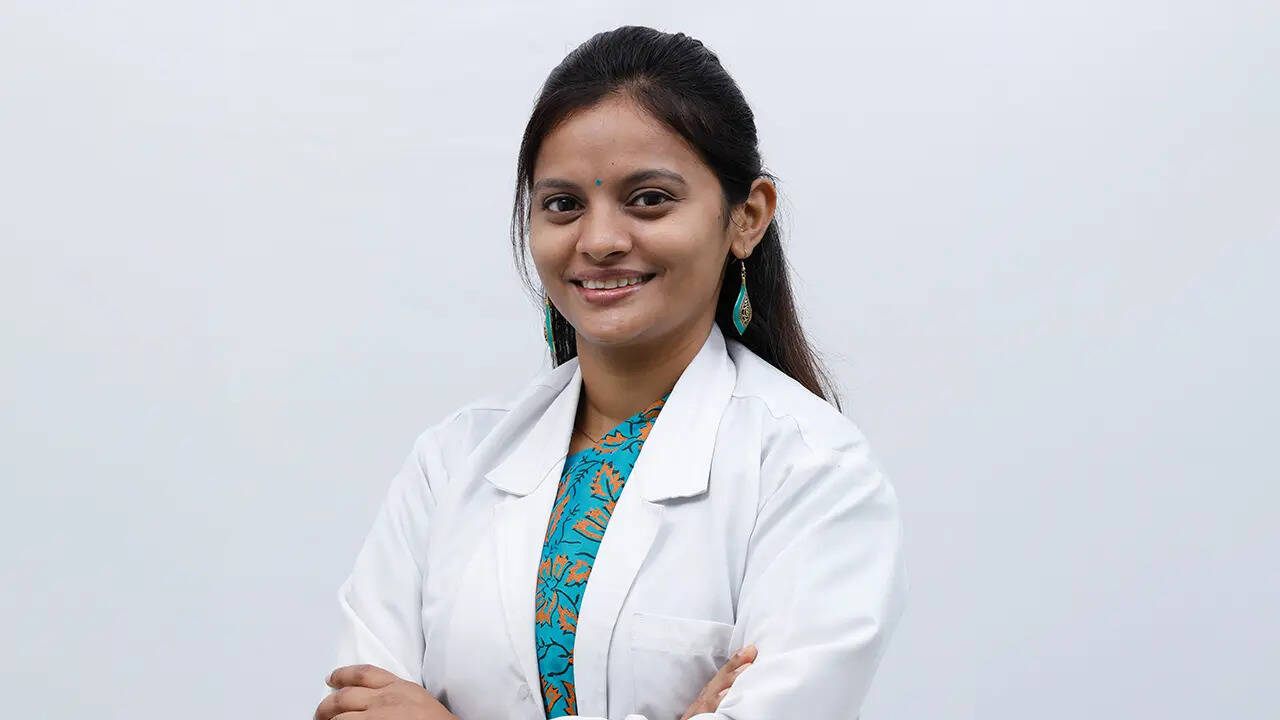
Lifestyle modifications ensuring plenty of outdoor activities, minimising screentime, prevent myopia and complement optical and medical control strategies that slow myopia progression. Our focus has now shifted from Myopia to Premyopia, i.e., catching these children at an early stage and preventing progression to manifest myopia.
Dr. Sumita Muthu, Consultant Pediatric Ophthalmologist, Narayana Nethralaya, Bengaluru
Sometimes the first sign of excessive screen use is not poor grades—it’s blurred distance vision.References:
Disclaimer: The views and opinions expressed in the story are independent professional judgments of the doctors/experts, and TIL does not take any responsibility for the accuracy of their views. This should not be considered a substitute for medical advice. Please consult your treating physician for more details. This article has been produced on behalf of Sun Pharma by Times Internet’s Spotlight team







 English (US) ·