

 8 hours ago
4
8 hours ago
4
ARTICLE AD BOX
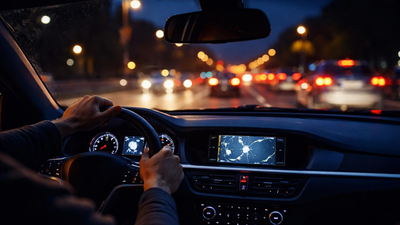
Night driving involves added challenges due to reduced visibility, higher fatigue levels and a greater chance of unexpected situations. Limited natural light affects depth perception, while glare from artificial lighting and oncoming vehicles can strain the eyes.
The body’s sleep cycle also makes it harder to remain alert at night, increasing the risk of slower reactions. Although traffic is usually lighter, factors such as poorly lit roads, pedestrians, stray animals and unpredictable driving can make conditions more demanding. Drivers need to stay alert, prepare in advance and adjust their driving approach. Here are key tips to reduce fatigue and improve safety when driving at night. VisibilityReduced visibility is a primary concern at night, as the lack of natural light limits how far and how clearly drivers can see. Road markings, turns and obstacles become harder to detect, especially on poorly lit stretches. Headlights must be clean, properly aligned and functioning effectively. High beams can improve visibility on dark roads but should be dipped for oncoming traffic. Keeping the windshield, mirrors and headlamp lenses clean also helps maintain clear vision.
Managing fatigue on long drivesFatigue remains a major risk during night driving, often developing gradually. The body’s natural cycle encourages rest at night, increasing the chances of drowsiness, particularly on long drives. Starting a journey late after a full day can add to this risk. Taking breaks every few hours helps maintain alertness, even if briefly. Ignoring early signs such as yawning or reduced focus can be unsafe, and stopping to rest is advisable.Importance of adequate restProper rest before a night drive improves concentration and reaction time. While caffeine may offer short-term alertness, it cannot replace sleep. If fatigue develops, a short break or nap is more effective than relying on stimulants. Planning rest can help reduce fatigue-related risks.
Watch
Mercedes-Benz CLA Electric India Plans: In Conversation with Santosh Iyer | TOI Auto
Dealing with glare from oncoming trafficGlare from headlights can affect visibility, particularly on undivided roads. This is more noticeable with high-intensity or poorly aligned lights.
Drivers should avoid looking directly at oncoming headlights and instead focus on the edge of the lane. A clean windshield helps reduce glare, and using the rear-view mirror’s night mode can limit disturbance from vehicles behind.Speed and following distanceMaintaining a controlled speed is important at night, as reduced visibility limits reaction time. Driving at a steady pace improves control and safety. Increasing the distance from the vehicle ahead is also necessary, as judging gaps becomes more difficult in low light.
A larger following distance allows more time to respond.Staying alert to road hazardsPedestrians, cyclists and animals are harder to detect at night, especially in areas with limited lighting. Hazards can appear suddenly, requiring quick response. Drivers should stay alert and scan the road ahead, particularly on highways and rural roads where lighting is limited.Reducing in-car distractionsA distraction-free cabin helps maintain focus. Bright dashboard lighting can affect night vision, so it should be adjusted to a comfortable level.
Loud music, phone use or conversations can reduce attention. A controlled environment supports better concentration.Driving in adverse weatherRain, fog or dust can further reduce visibility and increase stopping distance at night. Reflections and low visibility make it harder to judge distance. Using fog lamps where needed, reducing speed and maintaining extra distance can improve safety. Smooth driving inputs also help maintain control.








 English (US) ·