

 1 hour ago
7
1 hour ago
7
ARTICLE AD BOX
Last Updated:March 24, 2026, 14:42 IST
Stefan Löfven also pushed back on the idea that India can single-handedly resolve the crisis, despite its strong ties with both Iran and Israel.


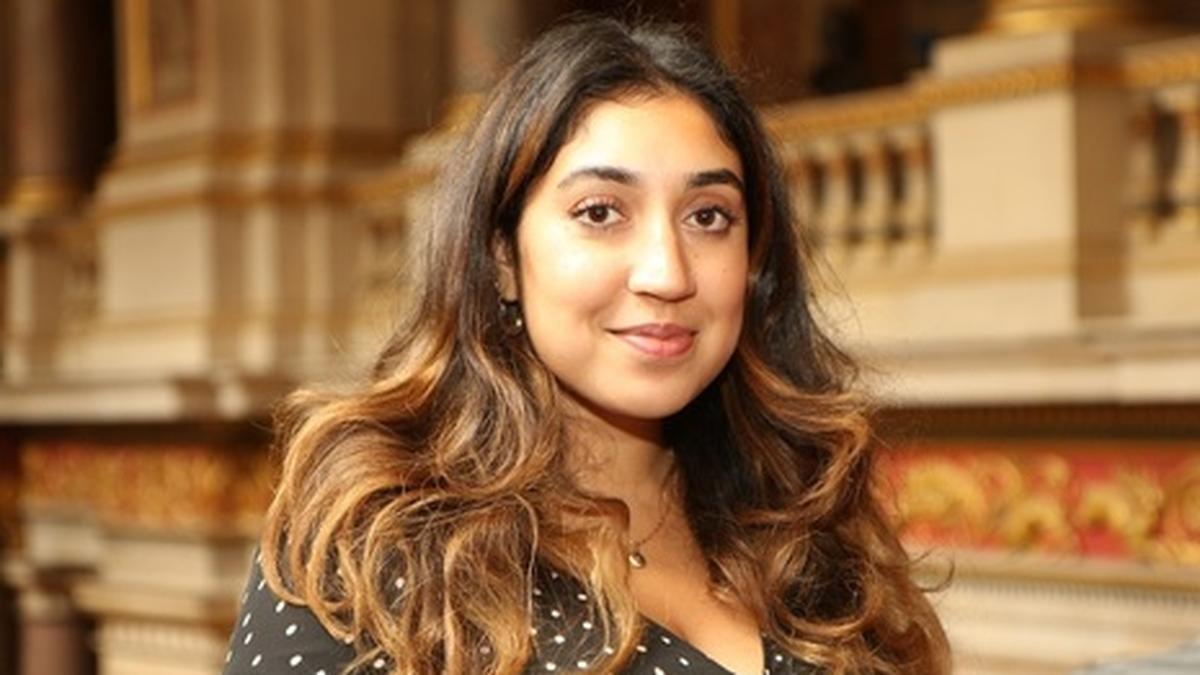
Former Swedish Prime Minister Stefan Löfven. (Image: Reuters)
For weeks now, the Iran-Israel conflict has been inching dangerously close to a wider regional war, with missile exchanges, threats to the Strait of Hormuz, and global oil markets on edge.
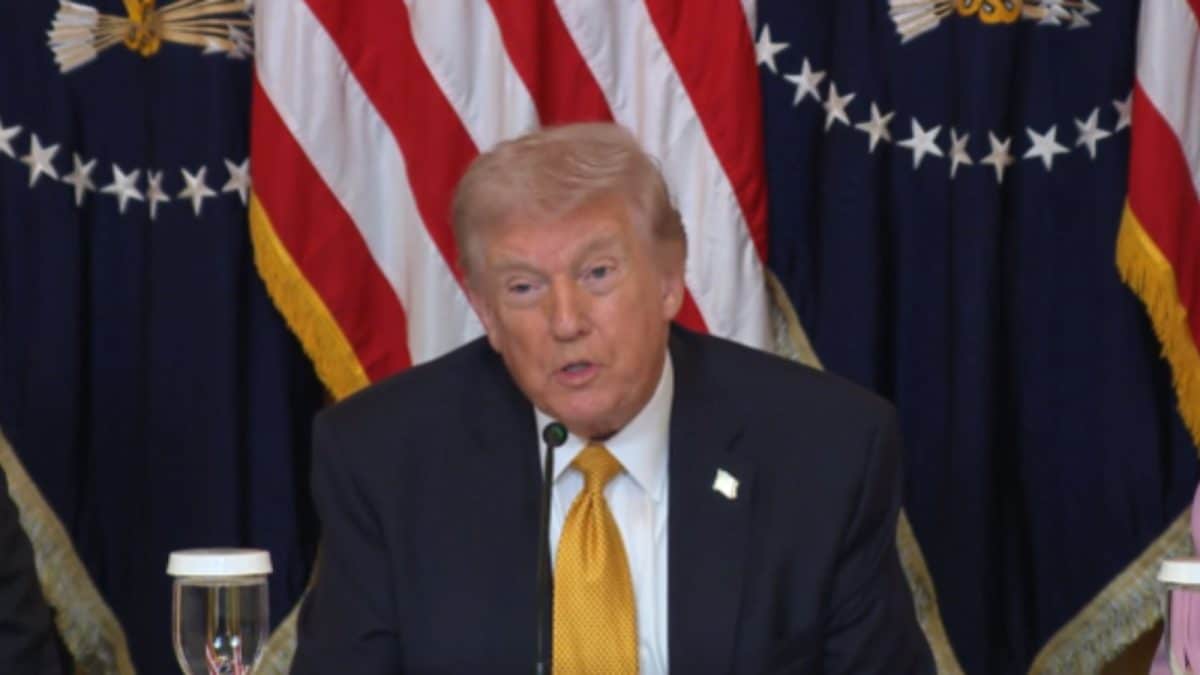
The United States backing Israeli strikes has only raised the stakes further, fuelling fears of a prolonged confrontation with no clear endgame. Now, a sudden five-day pause announced by US President Donald Trump has offered a brief opening for talks, but whether this is a genuine off-ramp or just a tactical breather remains an open question.
At a time when the conflict shows no clear direction, CNN-News18 sat down with former Swedish Prime Minister Stefan Löfven, who didn’t mince words. He questioned the logic behind the strikes, pointed to the absence of a clear strategy, and warned that “you cannot bomb your way to a solution."
Löfven also explained why India, despite its ties with both sides, cannot resolve the crisis alone. His bottom line was clear: without a serious return to dialogue, preferably through the UN, this crisis risks becoming yet another long, unwinnable conflict.
Here are the edited excerpts of the interview:
Q. Europe has called for restraint in the escalating confrontation between Iran and Israel, but critics say the EU appears divided and sidelined. Does Europe actually have the leverage to prevent further escalation in West Asia?
Stefan Löfven: You can’t expect Europe to carry that leverage alone. Ultimately, this is a responsibility for the region and the United States, especially given that this latest strike, in my view, violates international law.
The US itself struck Iran last year and claimed it had set back its nuclear programme by two years. So, the urgency we’re hearing now does raise questions.
Let me be clear, no one is mourning the Iranian regime. It is deeply repressive and violent towards its own people. But even then, international law must be respected.
Europe’s role is not to escalate. It is to stay out of military involvement. I believe France made the right call in not sending warships.
Where Europe can lead is diplomacy, particularly through the United Nations. That is where these tensions must be addressed, through dialogue, not force.
Q. India has strong ties with both Iran and Israel, and some diplomats even suggest Prime Minister Narendra Modi could play a direct role in facilitating dialogue. Do you believe India has the influence to help de-escalate this crisis, or is that expectation overstated?
Stefan Löfven: I do believe India can play an important role, but not on its own. No single country can resolve a crisis of this scale. India’s strength lies in its relationships with both Iran and Israel. That gives it a unique position to help open channels for dialogue.
But expecting one leader or one country to ‘solve’ the conflict may be unrealistic. This will require a broader effort, with multiple nations involved. At the end of the day, this is a regional crisis. Any lasting solution will need the engagement of countries across the region, particularly Arab states.
So yes, India is an important player and can contribute meaningfully, but it has to be part of a wider diplomatic push.
Q. In hindsight, do you believe the US and Israel’s strikes inside Iran helped stabilise the region, or did they risk pushing the conflict into a wider regional war? And realistically, is regime change in Tehran even possible, or is that just wishful thinking in the West?
Stefan Löfven: I don’t believe these strikes have stabilised the situation. If anything, they risk deepening the conflict. I’ve always believed diplomacy is the only sustainable path forward.
We had a working framework with the Joint Comprehensive Plan of Action, the JCPOA, and the US decision to withdraw from it was a mistake. That agreement offered a real chance to contain the crisis.
What we’re seeing now will only fuel more hostility, more anger. This does not de-escalate tensions. It pushes them further. And again, it raises serious concerns about international law.
On regime change, it’s far more complicated than many in the West suggest. Iran’s system is deeply entrenched. You cannot simply remove a few leaders and expect the entire structure to collapse. It would require much more, and I’m not even sure that is the clear objective here. There have been too many shifting justifications for this conflict.
Yes, the Iranian regime is repressive and brutal towards its own people. But real change cannot be imposed from the outside through force. It has to come from within.
Q. You mentioned Washington has floated multiple justifications, from nuclear threats to regime change. So, what, in your view, is the real driver behind these strikes?
Stefan Löfven: We’re hearing multiple justifications, regime change being one of them. But when you examine that closely, the question is how far are they really willing to go? Would that mean boots on the ground, or relying on proxy forces like the Kurds? Then there’s the nuclear argument, and of course, oil.
Personally, I believe energy interests remain central for the United States. The problem is, when so many different reasons are put forward, it becomes difficult to identify a clear, consistent objective. Right now, the bigger question is not just why the attack happened, but what the endgame actually is.
Q. With tensions threatening the Strait of Hormuz, a route that carries roughly a fifth of the world’s oil supply, how vulnerable do you think the global economy is to a prolonged disruption?
Stefan Löfven: It makes the global economy extremely vulnerable. A prolonged disruption in the Strait of Hormuz would have serious consequences. We’ve already seen how sensitive markets are. Oil prices spiked, briefly dipped, and are now climbing again towards $100 a barrel. That feeds directly into higher costs for industries and everyday consumers.
It also complicates monetary policy, making it harder for central banks to cut interest rates, while pushing inflation higher. So, this is not just a regional risk. It’s a significant global economic threat.
Q. Looking at the trajectory of this crisis, what realistic conditions would have to emerge for the conflict to de-escalate? You mentioned you believe in diplomacy, but is that window still open?
Stefan Löfven: We have no real alternative. Diplomacy has to come back to the forefront. These conflicts can only be resolved through dialogue and agreements.
One key issue is Iran’s nuclear programme. The world cannot afford further nuclear proliferation, so that has to be addressed seriously. But at the same time, we cannot ignore the Israel-Palestine conflict. It has been pushed to the background, yet tensions there are only worsening, from violence in the West Bank to the enormous challenge of rebuilding Gaza.
Unless that core conflict is addressed, what many call the ‘mother of conflicts’, instability in the region will persist. This requires broader regional engagement, not just Israel and Palestine, but Arab states as well. They need to play an active role.
Ultimately, we need to return to structured dialogue, ideally through the United Nations. Because what we’re seeing now is not sustainable, and it will not deliver long-term security.
Q. Several European leaders are now talking about fresh sanctions on Iran. From your experience in government, do sanctions still carry meaningful leverage, at least in this war, or are they largely symbolic, you think?
Stefan Löfven: No, sanctions can have an impact, but they come with a real dilemma. More often than not, it’s ordinary people who end up paying the price. The challenge is to design sanctions that hit the regime, not the population. And that is much easier said than done.
At times, they can create pressure by exposing a regime’s inability to provide for its people. But the risk of collateral damage remains high. Even so, sanctions remain an important tool. The key is to use them carefully, targeting the regime as much as possible while minimising the impact on civilians.
Q. So, with global attention shifting to West Asia, is there a risk that Russia could benefit strategically, especially as the war in Ukraine risks slipping down the international agenda?
Stefan Löfven: Yes, there is that risk. If the global economy takes a hit, Europe will feel it directly, and that has implications for its ability to support Ukraine. At the same time, global attention is being pulled away from Russia’s war in Ukraine towards another crisis. That shift can work to Moscow’s advantage.
But Europe cannot afford to lose focus. The war in Ukraine remains a direct and serious threat, and we have to stay engaged and respond accordingly.
Q. So, as the war reshapes geopolitics in West Asia, do you believe India and Europe will have to work much more closely to stabilise the region, or will the United States continue to dominate the strategic response, according to you?
Stefan Löfven: Europe has to stay engaged. We cannot lose focus on Ukraine, but that does not mean stepping back from other regions, especially West Asia, which is geographically and strategically close to Europe. What happens there matters not just for the region, but for Europe’s own stability and security. So yes, Europe must be an active partner in shaping a more peaceful outcome.
At the same time, this cannot be led by one power alone. We need to bring these efforts back into a multilateral framework, particularly the United Nations. The UN system is not functioning as effectively as it should, and it clearly needs reform. But walking away from it will only weaken it further. In the long run, strengthening global institutions like the UN is essential. And within that framework, Europe has a key role to play in the Middle East.
Q. Turning to economic ties, India and Sweden have deepened cooperation in innovation, green technology, and manufacturing in recent years. After signing the “mother of all deals" with the EU, from your perspective, what should be the next big pillar of the partnership between Sweden and India?
Stefan Löfven: I’m very encouraged by how the partnership has evolved. India and Sweden are already working closely on climate, industrial transition, and innovation, and that cooperation has become much more strategic over time.
Going forward, I believe the next big pillar could be shaping a more effective global order. How do we strengthen multilateralism and make the international system work better? That’s an area where India and Sweden can contribute together.
This includes pushing for reforms within the United Nations, ensuring global institutions are more representative, and making the financial system work better for the Global South, not just the North. Climate action must also remain central. Both countries have shown they can collaborate meaningfully here.
India, as a major voice from the Global South, and Sweden, as a strong advocate from the Global North, can together drive important conversations. That, to me, is a very promising direction for the partnership.
Q. So, with Sweden heading into elections, how do you see its political trajectory, especially with immigration and the rise of the far right shaping the debate?
Stefan Löfven: Sweden is at a crossroads. The 2015 refugee crisis placed a heavy burden on countries like Sweden and Germany, and it simply wasn’t sustainable. That led to stricter policies and a push for a broader European solution.
But it also shifted public sentiment. Immigration became a central political issue, and the far-right Sweden Democrats gained ground by capitalising on those concerns.
Now, I think there’s a growing feeling that things may have gone too far in the other direction. Some of the current policies are having harsh consequences, even affecting young people who have grown up in Sweden.
At the same time, we have to be realistic. Sweden cannot take on a disproportionate share of responsibility, but we also cannot ignore the fact that migration is essential for our future, given Europe’s demographic challenges.
So, the real challenge is finding a balanced, pragmatic approach. And right now, there are signs that public sentiment may be shifting again, though with elections still some time away, the outcome remains open.
First Published:
March 24, 2026, 14:42 IST
News world No Clear Endgame In US-Iran War: Ex-Swedish PM Amid Trump’s 5-Day Pause Announcement | Exclusive
Disclaimer: Comments reflect users’ views, not News18’s. Please keep discussions respectful and constructive. Abusive, defamatory, or illegal comments will be removed. News18 may disable any comment at its discretion. By posting, you agree to our Terms of Use and Privacy Policy.
Read More



 English (US) ·