

 1 week ago
9
1 week ago
9
ARTICLE AD BOX
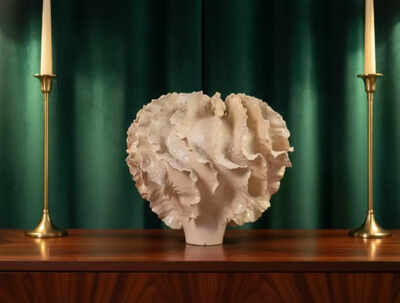
A new travelling design platform founded by Pinky Daga and Kabbier Daga is set to make its global debut this March in Mumbai, signalling a growing shift in how contemporary Indian design is being positioned — not merely as functional craft, but as collectible cultural expression. Opening in the historic business district of Ballard Estate, the initiative introduces a “nomadic gallery” model that will move across cities and international design platforms rather than remain fixed in one location. The founders describe the concept as an attempt to reshape how people engage with the objects they live with, encouraging viewers to see furniture, ceramics, lighting and sculptural design as emotional artefacts that carry narrative and identity.
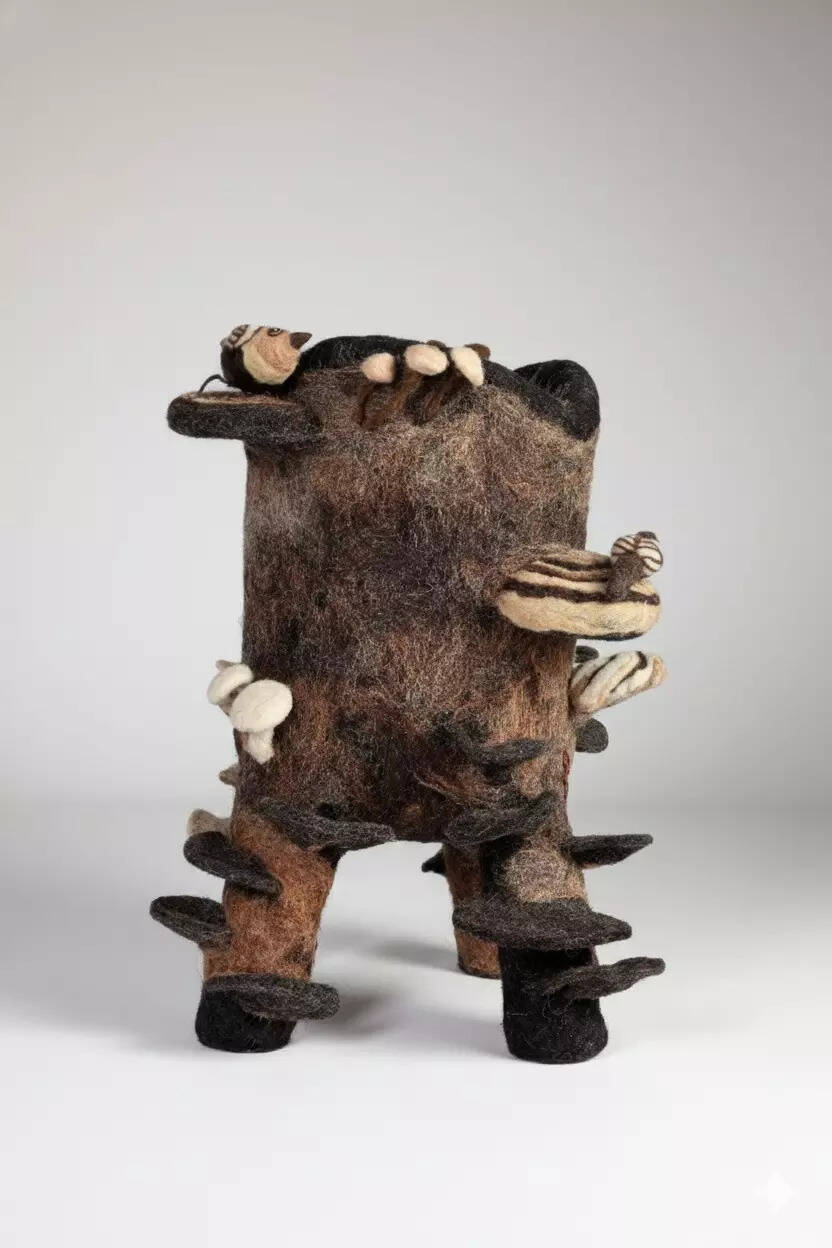
The inaugural exhibition brings together more than 45 Indian and international designers, exploring the intersection of traditional material practices and contemporary experimentation. Works range from mineral-based lighting pieces and architectural ceramics to sculptural objects that blur the boundary between design and fine art. Organisers say the exhibition aims to foreground craftsmanship while situating it within a global design conversation increasingly interested in provenance, process and cultural storytelling.
The Mumbai showcase is also positioned as a gateway to the international design circuit. A curated selection of works from the exhibition is scheduled to travel directly to Milan this April, where they will be presented during the city’s annual design week — one of the most influential gatherings in the global design calendar. The move reflects the rising visibility of Indian collectible design on international platforms, where studios and artisans are increasingly being recognised alongside established European names. For the founders, the project is as much about audience engagement as it is about showcasing objects. By adopting a travelling format, they hope to build conversations across cities, institutions and collectors while making design encounters feel more immediate and accessible. The emphasis, they say, is on contemplation rather than consumption — encouraging viewers to pause, reflect and form personal connections with the pieces on display.
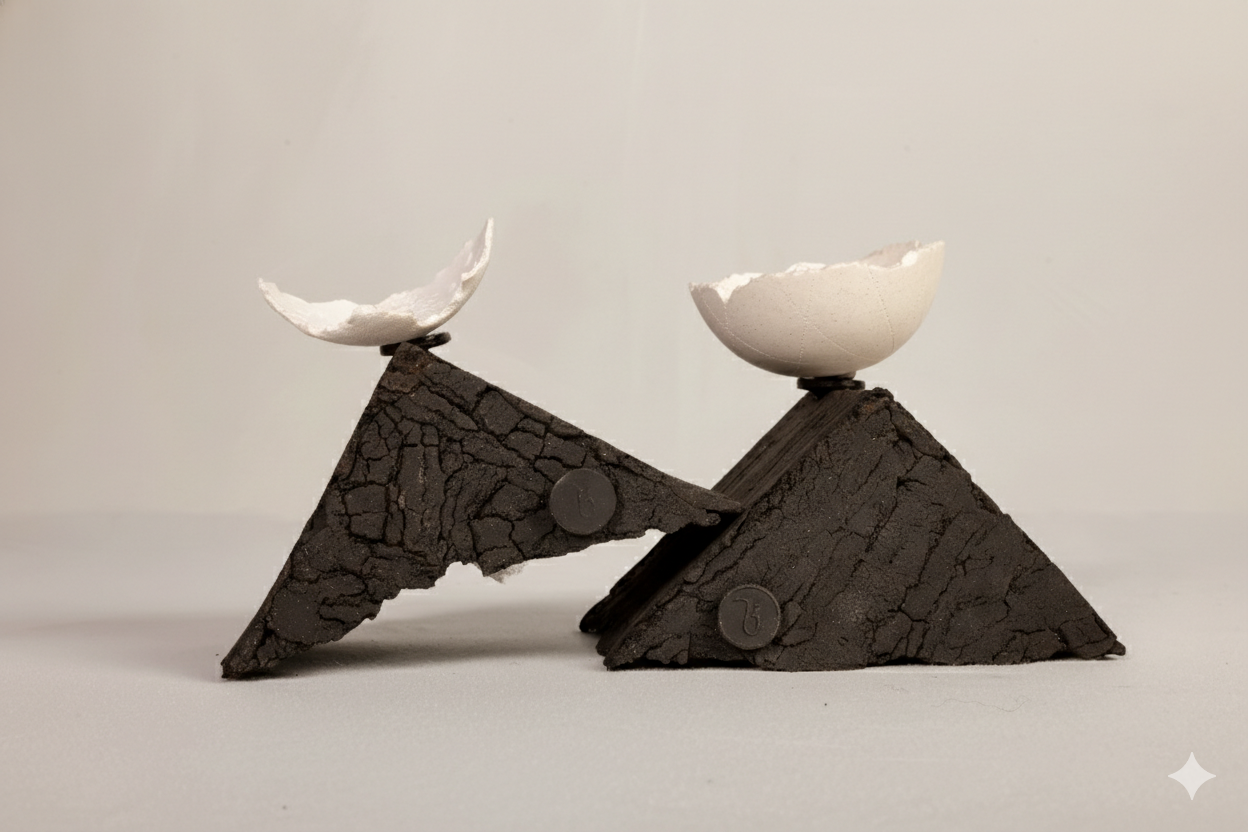
The launch arrives at a time when India’s design landscape is expanding beyond galleries and trade fairs into hybrid cultural formats that combine exhibition, dialogue and cross-border collaboration. As Indian makers gain international attention for their material innovation and storytelling, initiatives like this suggest a growing confidence in presenting design not simply as product, but as a language of culture and memory.






 English (US) ·