

 1 hour ago
5
1 hour ago
5
ARTICLE AD BOX
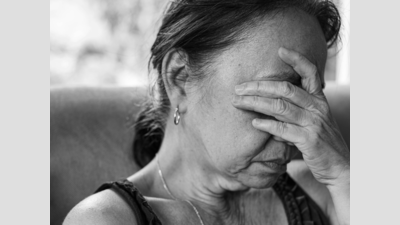
Patna: One in three older adults (above 60 years) suffers from mental depression in rural Bihar, according to a study conducted by social scientists from the IIT-Patna. The study further indicates that the prevalence of mental depression is higher in rural areas compared with urban regions.The research conducted by Bijoy Bhattacharjee and Aditya Raj of IIT-P and published in the latest edition of the journal ‘Ageing International’ reveals that women experience higher levels of depression than men. As many as 38.49% of rural women are suffering from mental depression compared with 30.76% of men.The study titled “Social networks and mental health: a study of older adults in rural Bihar” further reveals that older age groups show greater vulnerability to depression compared with younger people.
The findings suggest that the primary factors associated with higher levels of depression in rural areas include social isolation (44.4%), absence of a spouse (39.94%), lower levels of education (37.21%), economic inactivity (36.48%), weak family connections (38.07%), limited friendships (35.87%) and a low confidant network (35.48%).The study used data from the Longitudinal Ageing Study in India (LASI) with a sample of 1,255 people aged 60 years or older from rural Bihar.
The results establish the importance of social networks in the community life of older adults. They suggest that strong social connections with relatives and trusted confidants protect older adults from depression in rural Bihar.The findings show that relatives and confidant networks significantly protect people against depression, highlighting the importance of strengthening these ties for older adults.
However, children’s networks did not remain significant after adjustment for socioeconomic and demographic factors. This result may reflect the migration of younger adults from rural Bihar in search of work or education, which limits their physical presence and daily caregiving capacity.
Even when emotional bonds remain, the lack of regular contact and proximity may reduce the protective effect of children’s support.The researchers further suggest that friendships may play an important complementary role in promoting well-being when family support is reduced. Friendships can offer companionship, opportunities for group participation and emotional exchange, which may help counteract loneliness, even if these networks are smaller or less formalised than kinship ties. In rural contexts where migration and changing family structures weaken traditional support systems, fostering community-based opportunities for friendships may still have value as part of a broader strategy for supporting older adults’ mental health.Community-based centres could be organised using existing spaces such as panchayat buildings, schools after study hours or health sub-centres, which would help minimise infrastructure costs. Funding could be drawn from govt programmes like the National Programme for Health Care of the Elderly (NPHCE), supplemented by local NGOs and modest community contributions. Community participation would be central, with village committees or self-help groups facilitating cultural events, peer-support sessions and recreational activities.
Linking these centres with existing elderly care services would enhance their sustainability and ensure that both social and health needs are addressed, suggested Bhattacharjee.









 English (US) ·