

 2 days ago
3
2 days ago
3
ARTICLE AD BOX
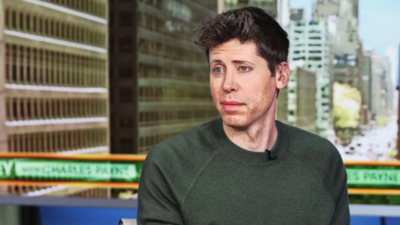
OpenAI CEO Sam Altman agrees that artificial intelligence (AI) companies are facing challenges in gaining public trust. Speaking at the BlackRock Infrastructure Summit, the chief executive of the company behind ChatGPT said he shares the concerns raised by US President Donald Trump that AI companies are facing growing public scepticism. Altman said AI is increasingly being blamed for issues ranging from layoffs to rising electricity prices, even when the connection may not always be clear.
At the same time, he acknowledged that the technology could alter the long-standing balance between labour and capital, creating uncertainty about the future of work, but he is concerned that nobody knows what to do about it.“Data centers are getting blamed for electricity prices hikes. Almost every company that does layoffs is blaming AI, whether or not it really is about AI,” Altman said, referring to a trend he has previously described as “AI washing,” where companies attribute layoffs to new technology regardless of the actual reason.
However, he added that concerns about how AI could affect jobs are not completely baseless.
OpenAI CEO Sam Altman says AI could reshape capitalism and trigger difficult debates over jobs
The rise of AI, according to Altman, may compel societies to reconsider long-standing economic structures based on scarcity. Speaking about the changes AI could bring, the OpenAI chief said he recently came across an online quote that captures the shift he believes is underway.He said humans have spent centuries, possibly millennia, organising society to deal with scarcity, but AI may require learning how to manage “abundance” instead.
“So that’s, like, a real change to how capitalism has worked,” he said, noting that capitalism has traditionally relied on a balance of power between labour and capital.“But if it’s hard in many of our current jobs to outwork a GPU, then that changes,” Altman said. “If there was an easy consensus answer, we’d have done it by now, so I don’t think anyone knows what to do,” he said, adding that the implications are still unclear.Altman also said that while he does not believe AI will permanently eliminate jobs, the near-term adjustment may be difficult. He reiterated that he is “not a long-term jobs doomer” and expects new types of work to emerge over time. At the same time, he warned that “the next few years are going to be a painful adjustment,” and could involve “very intense and uncomfortable debates” about how societies should respond.Earlier, Google DeepMind CEO Demis Hassabis expressed a more optimistic long-term view. Speaking to Fortune, Hassabis said that AI-driven abundance could eventually lead to a “kind of new renaissance,” although he expects significant disruption over the next decade before that transition occurs.






 English (US) ·