

 1 hour ago
5
1 hour ago
5
ARTICLE AD BOX
Some in India are chafing at Pakistan’s mediator role in
Iran war. They should think a bit more.
It’s a ceasefire where combatant parties aren’t ceasing to fire – and
it may get worse. Hormuz is more shut than open. Whether the US-
Iran meet in Islamabad will happen is still not absolutely certain.
And if it happens, whether there will be an agreement that will hold,
is still less certain.
Nonetheless, Pakistan’s role as a go-between will remain a fact.
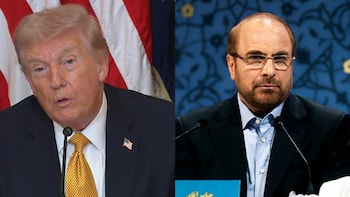
Washington and Tehran talked through Islamabad, and gave it
credit.
Any rational nation-state, especially a very large oil importer, should
welcome all efforts at arranging a ceasefire, as indeed GOI did on
Wednesday. But there appears to be some consternation in India
about Pakistan’s mediation, and not just among social media’s
shouting brigades. Before reacting emotionally, it’s worth thinking
this through calmly.
In international politics, outcomes matter far more than optics – and
right now, any effort that reduces conflict is in India’s interest. So,
the reaction is puzzling. Why should Pakistan’s role diminish India’s
sense of itself? As a large energy importer, and a fast-growing
economy, any attempts to stop the war are good for India. Those
who claim to speak for its core self-interest, should know this:
nothing’s more important than free-flowing, cheaper hydrocarbons.
The identity of the mediator should matter less than the success of
mediation itself. If Pakistan is helping pass messages between US
and Iran, and if that reduces tensions even slightly, it’s a net
positive.
So, why the anxiety? Part of the answer lies in perception. For many,
Pakistan playing a constructive diplomatic role feels counterintuitive,
even unsettling. But international relations are not about comfort –
they are about interests. A rational country evaluates actions based
on outcomes. And from India’s perspective, stable oil supplies and
lower prices are far more important than who gets credit for
brokering peace.
Also, look at history. Pakistan, despite its many problems, is no
stranger to mediating between big actors. Kissinger, with Pakistani
official support, had feigned illness on a visit to Pakistan, and made a
secret trip to China, paving the way for the Nixon-Mao meet in
1972.
That pattern continues. Pakistan’s military and political leadership
have long tried to stay relevant by engaging with powerful countries,
even when those powers are sworn rivals.. These are skills born out
of necessity – Pakistan has to make itself useful to big boys, or it
risks losing their indulgence. That outcome, increasingly, it can’t
afford – because, for one, it will run out of forex reserves.
A country with economic and political vulnerabilities often seeks
relevance by acting as an intermediary. In this case, both
Washington and Tehran needed a malleable player as a channel of
communication, and Pakistan was available – and willing. Pakistan has
been ingratiating itself to Trump for a year. Both Munir and Sharif
have flattered him.
But that’s not a game India plays. India operates from a position of
greater economic and geopolitical strength. It has not hesitated to
take independent positions – even when they diverge from Western
preferences.
India continued purchasing some Russian oil despite pressure from
Trump, and navigated trade tensions, including tariff disputes, with
resilience. According to reporting by the World Bank and
International Monetary Fund, India remains one of the fastest-
growing major economies, giving it more room to manoeuvre
diplomatically. India got to a point where a US trade deal is back on
the table.
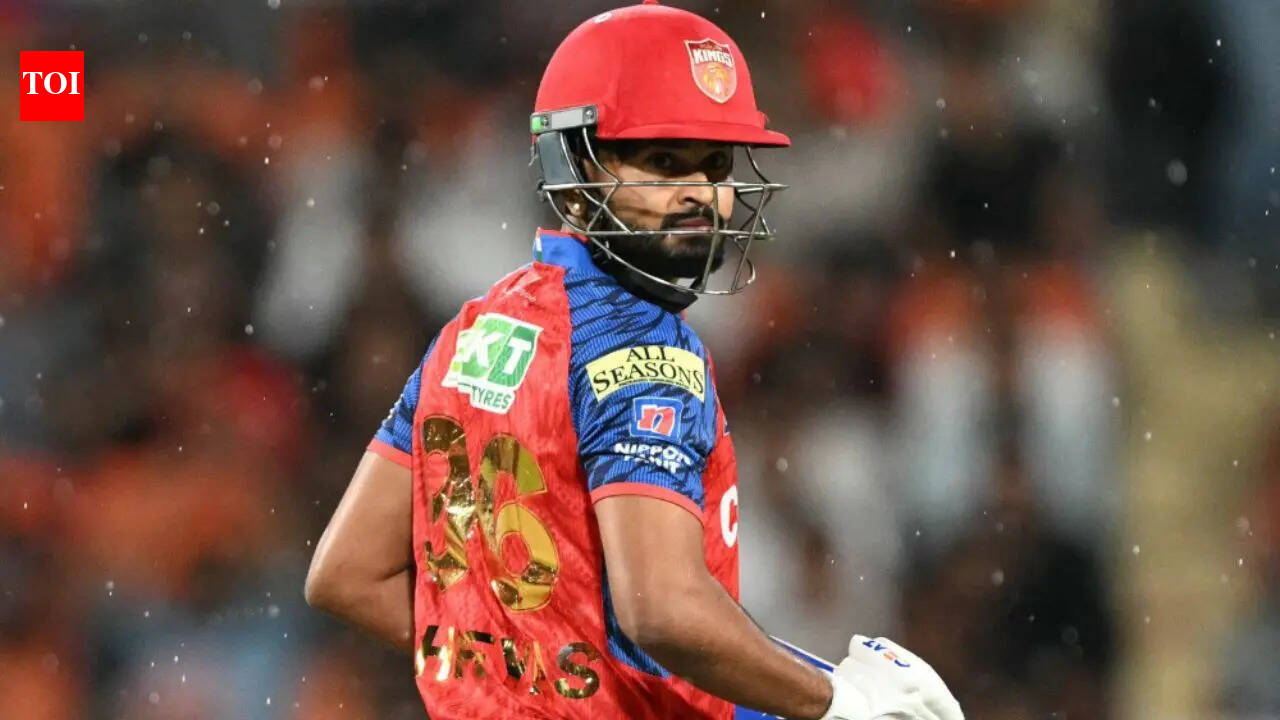
That’s because India, these days, comes in higher in the global
batting order, and it can try and build an innings. It doesn’t have to
“prove” its usefulness in the same way. Instead, it can afford to take
a longer view – what you might call a Test match approach to
diplomacy, rather than a quick-fire T20 style. It builds partnerships
steadily, balances relationships, and focuses on long-term gains.
But that doesn’t mean India should dismiss or resent actions of
others when they align with its interests. If Pakistan’s mediation
helps cool tensions, even temporarily, that contributes to global
stability – and by extension, India’s economic well-being. Lower oil
prices, stable shipping routes, and reduced geopolitical risk are all
direct benefits.
In the end, this is about being pragmatic. National interest isn’t a
matter of pride or rivalry; it’s about outcomes. India’s core interest,
especially as a large and growing economy, lies in ensuring access to
affordable energy. As New Delhi has repeatedly highlighted, energy
security is central to economic growth.
So, rather, than worrying about who is playing mediator, the more
important question is: does it help bring peace, or at least prevent
escalation? If the answer is yes, then the logical response is to
welcome it.
Diplomacy, after all, is not a zero-sum game. One country’s role does
not diminish another’s standing. India’s position in the world is
shaped by its own strengths – its economy, its strategic choices, and
its ability to think long-term. Getting distracted by who gets the
spotlight in a moment of crisis, misses the bigger picture.
In times like these, a little less emotion, and a little more logic can
go a long way.
Facebook Twitter Linkedin Email
Disclaimer
Views expressed above are the author's own.





 English (US) ·