

 2 hours ago
7
2 hours ago
7
ARTICLE AD BOX
Pradeep Nishantha couldn’t find the house. He’d heard about the batting talent of Pathum Nissanka, wanted to draft him for a Colombo school, but the small government-built home—one of many constructed for tsunami victims—was impossible to locate.
Eventually, Nishantha made a call. Come to Kalutara Bodiya, the famous temple in the region. That’s where they would meet. The temple wasn’t chosen randomly. That’s where Nissanka’s mother sold flowers to devotees. That’s where the family’s day began and ended—survival measured in small transactions, in coins pressed into palms for jasmine and lotus blooms. When the boy arrived with his father, Nishantha had the admission papers ready. Right there, at the temple steps, Pathum Nissanka signed his future.
“Not too sure whether any other child has signed his admission papers at Kalutara Bodiya,” Nishantha would later tell The Island newspaper. “This is the greatest blessing you can get. You will have a bright future.”
The father was a ground boy at Kalutara Esplanade cricket ground, watering pitches, maintaining the surface where other people’s sons played. His desire was simple—make his son a cricketer. But Colombo, where cricketing futures are made, was a dream too far to bridge for a family this poor. Until Nishantha came calling.
Even then, the problems didn’t end. Living expenses in Colombo became another mountain. Nishantha sought help from his friend Nilantha, the one who’d accompanied him that day to the temple. Nilantha worked at Jayaratne Florists and convinced his employers to pay a monthly allowance for the boy.They must have seen something special. When Nissanka made the tour to West Indies, the florist gifted him 250,000 rupees. On his Test debut there, he hit a hundred.
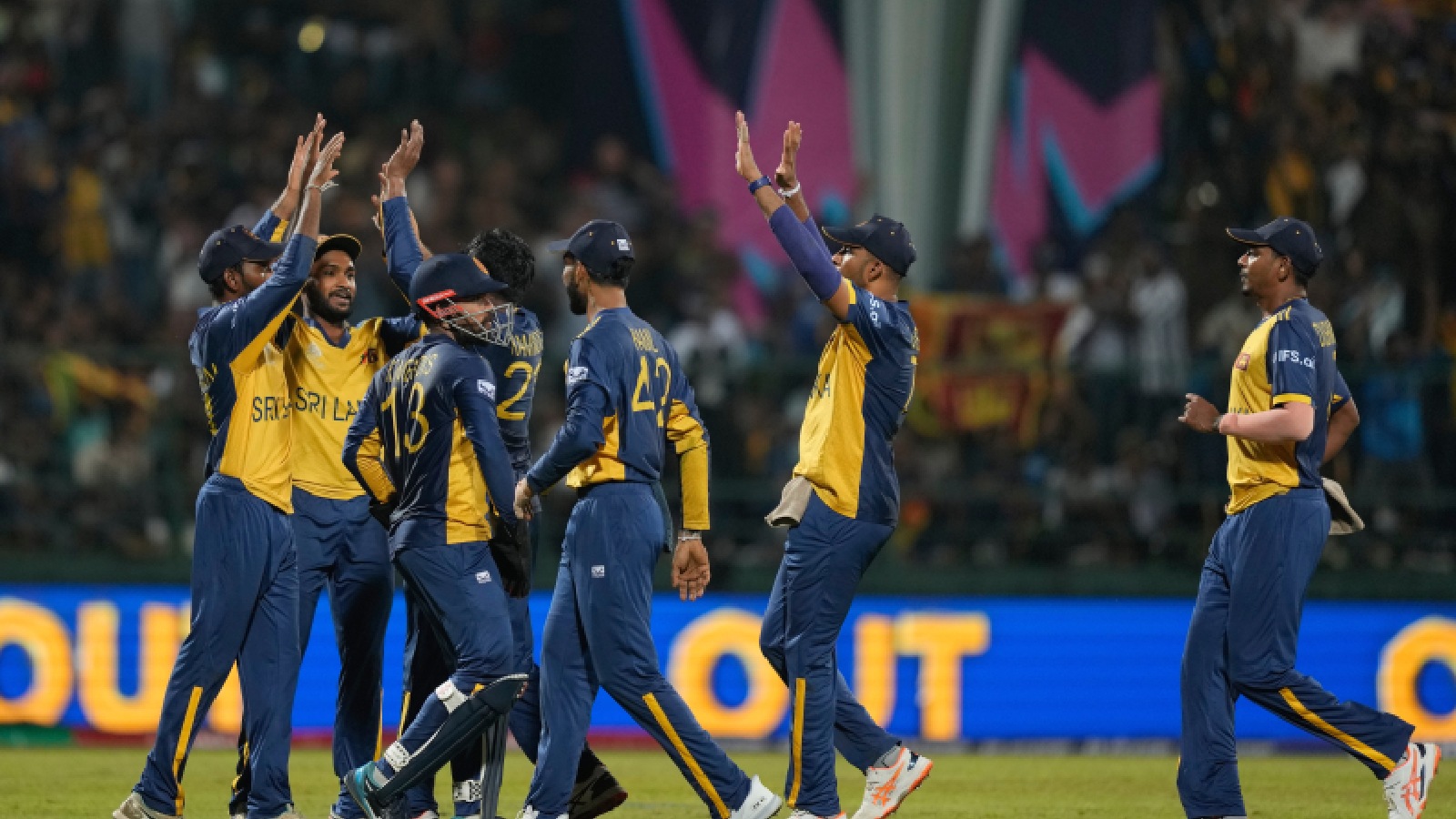
All that goodwill, all those small acts of faith from people who barely knew him, came full circle on Monday. At the Pallekele International Cricket Stadium, the son of a flower-seller and a groundsman became the first man to score a hundred in the 2026 T20 World Cup.
Story continues below this ad
ALSO READ | Pathum Nissanka becomes first centurion of T20 World Cup 2026, hammers 100 off 52 vs Australia in Pallekele
Against Australia. In a must-win match. To send Sri Lanka through to the Super 8. The hundred came off 52 balls. Ten fours, five sixes. The kind of innings that defied Australia’s plans and rewrote Sri Lanka’s tournament. Compact in stature like Kaluwitharana, explosive in shot production, Nissanka didn’t just bat—he announced himself on the biggest stage.
He pulled, drove, carved. And swept. “The wicket was pretty good today and I played my normal game,” Nissanka would say later through translator Jehan Mubarak, his words measured, understated. Normal game. As if hitting the first hundred of a World Cup against Australia was just another day at the office.
The plan had been simple. “We needed a good powerplay. We got a good partnership with Kusal Mendis and we were able to continue from there.” Then it was just about seeing it through, he said. Waiting for the ball to come to his strengths, happy that he got several of those balls and was able to get the boundaries.
Story continues below this ad
Waiting for the ball. He had learned patience the hard way—watching his mother sell flowers, his father tend the pitches, waiting for coaches to find him, for florists to fund him, for the world to notice.Australia couldn’t find an answer. Their bowlers had planned for pressure, for Sri Lankan nerves, for the weight of expectation. What they hadn’t planned for was a 27-year-old who had already negotiated harder odds than this.
Fittingly, his name means “hope” in Sinhala. On Monday, he became more than hope.
When he reached his hundred at Pallekele, the celebrations swelled around him. He didn’t move much at first. Just a slow lift of the bat. A glance upward. The noise rolled on without him. Years ago, on the steps of Kalutara Bodiya, he had signed school admission papers because a coach could not find his house. That day required faith. This one required none.
Between those two moments lay early mornings at a temple flower stall, a father tending pitches at Kalutara, a florist’s allowance sent quietly each month. None of it promised a night like this. It only made it possible. The blessing had travelled.






 English (US) ·