

 1 hour ago
1
1 hour ago
1
ARTICLE AD BOX
Last Updated:May 12, 2026, 14:30 IST
PM Narendra Modi recently urged citizens to cut petrol-diesel use, highlighting India’s heavy dependence on imported crude oil.
In the last two days, Prime Minister Narendra Modi emphasised on India’s reliance on imported oil, urging citizens to take specific actions to reduce fuel consumption.
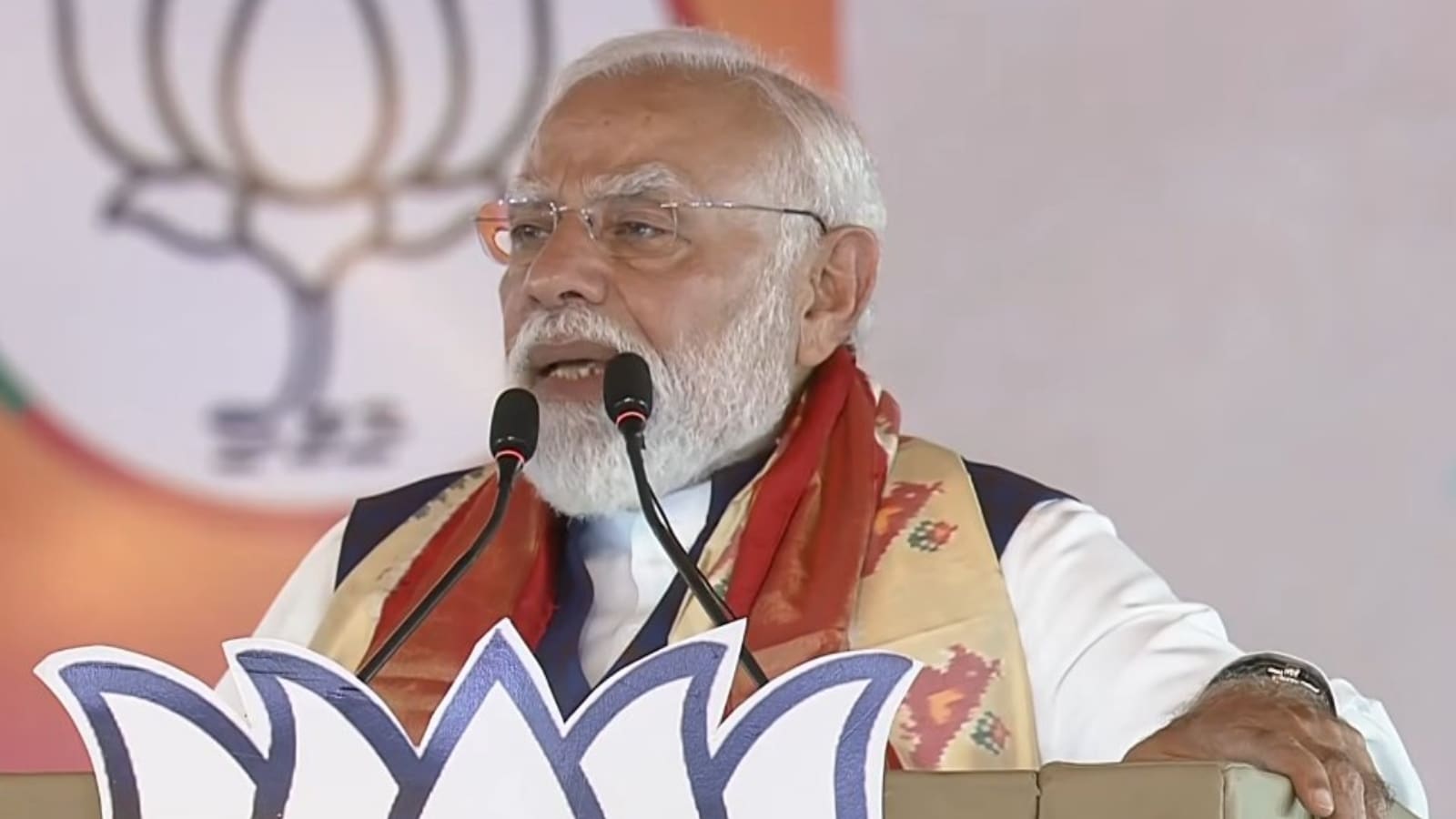
Nearly 88% of the petrol and diesel used in India is imported, making the country vulnerable to global conflicts and oil disruptions. Amid rising West Asia tensions, Prime Minister Narendra Modi has urged citizens to conserve fuel. Here are five practical ways to reduce your fuel expenses and save more daily. (Image: Pexels)
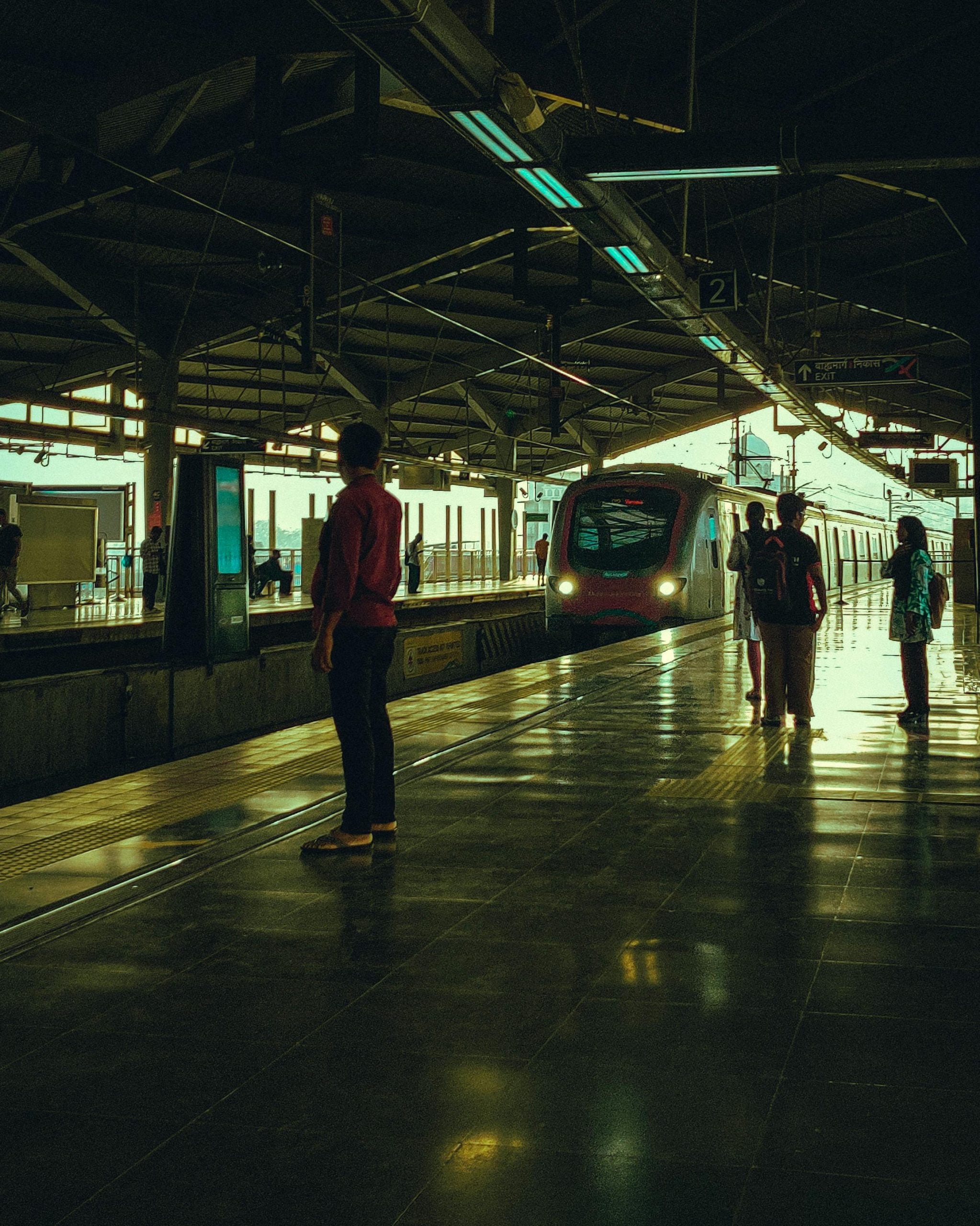
Take Public Transport Like Metro: According to reports, India has 1,086 km of operational metro network across 21 cities, with Delhi, Mumbai, Bengaluru, Hyderabad, Chennai, Pune, Ahmedabad, Kochi and others well connected. The Delhi Metro Rail Corporation (DMRC) data states, the metro serves an average of 46.3 lakh passengers every day. Meanwhile, a car covering a 10-km city commute consumes nearly half a litre of petrol in heavy traffic. Choosing the metro for just two trips a week can save around 4 litres of fuel monthly per commuter, while also cutting parking charges, toll expenses, and reducing pressure on India’s oil import bill. (Image: Pexels)
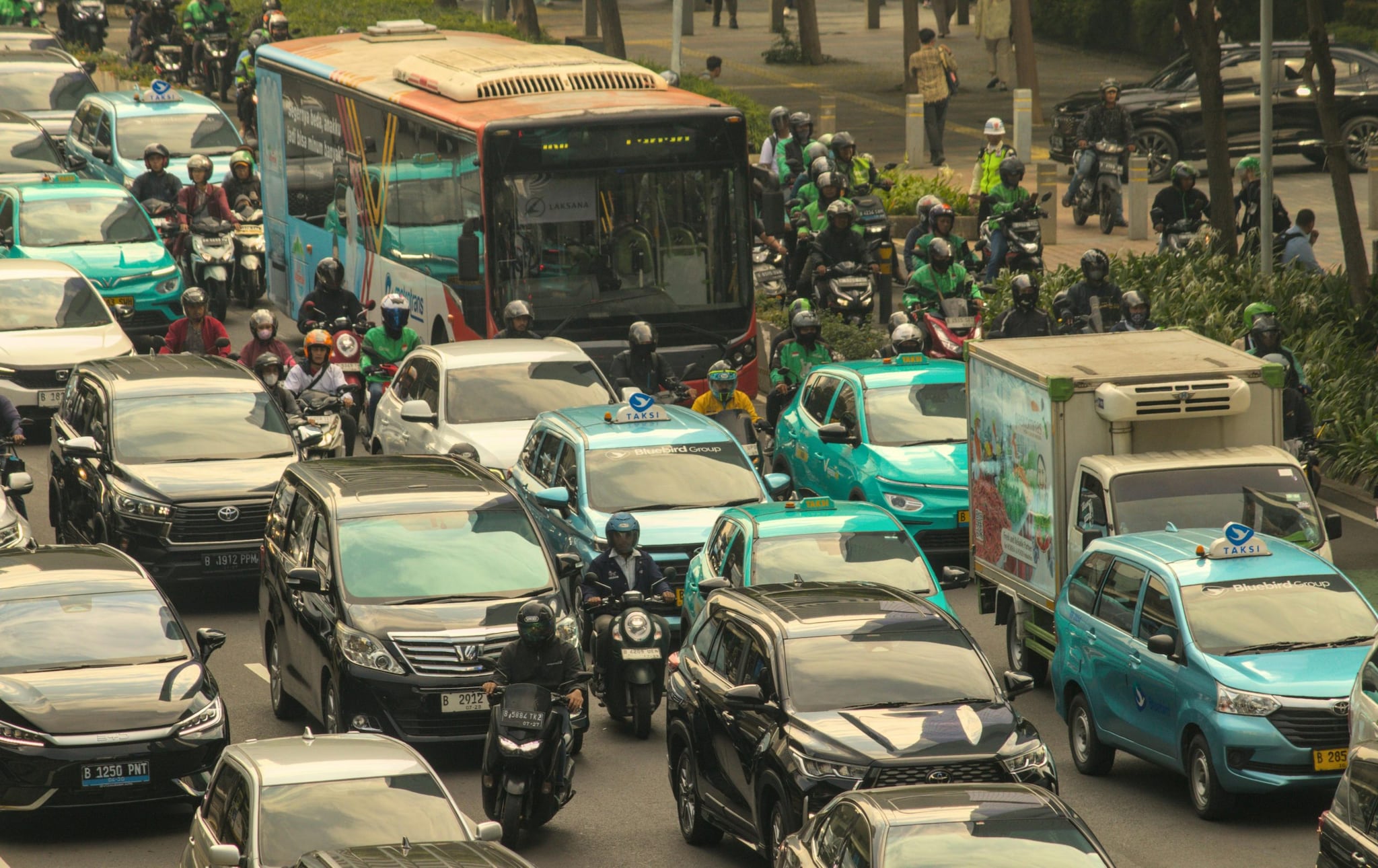
Carpooling: As per the Economic Survey 2024-25 presented in the Lok Sabha, widespread carpooling could eliminate 7,80,000 daily trips and save 380 million litres of fuel annually across the country. If an individual commuter shares a 20-km daily round trip with one colleague, the saving is around Rs 2000 – Rs 2500 a month in petrol costs at current pump prices. (Image: Pexels)
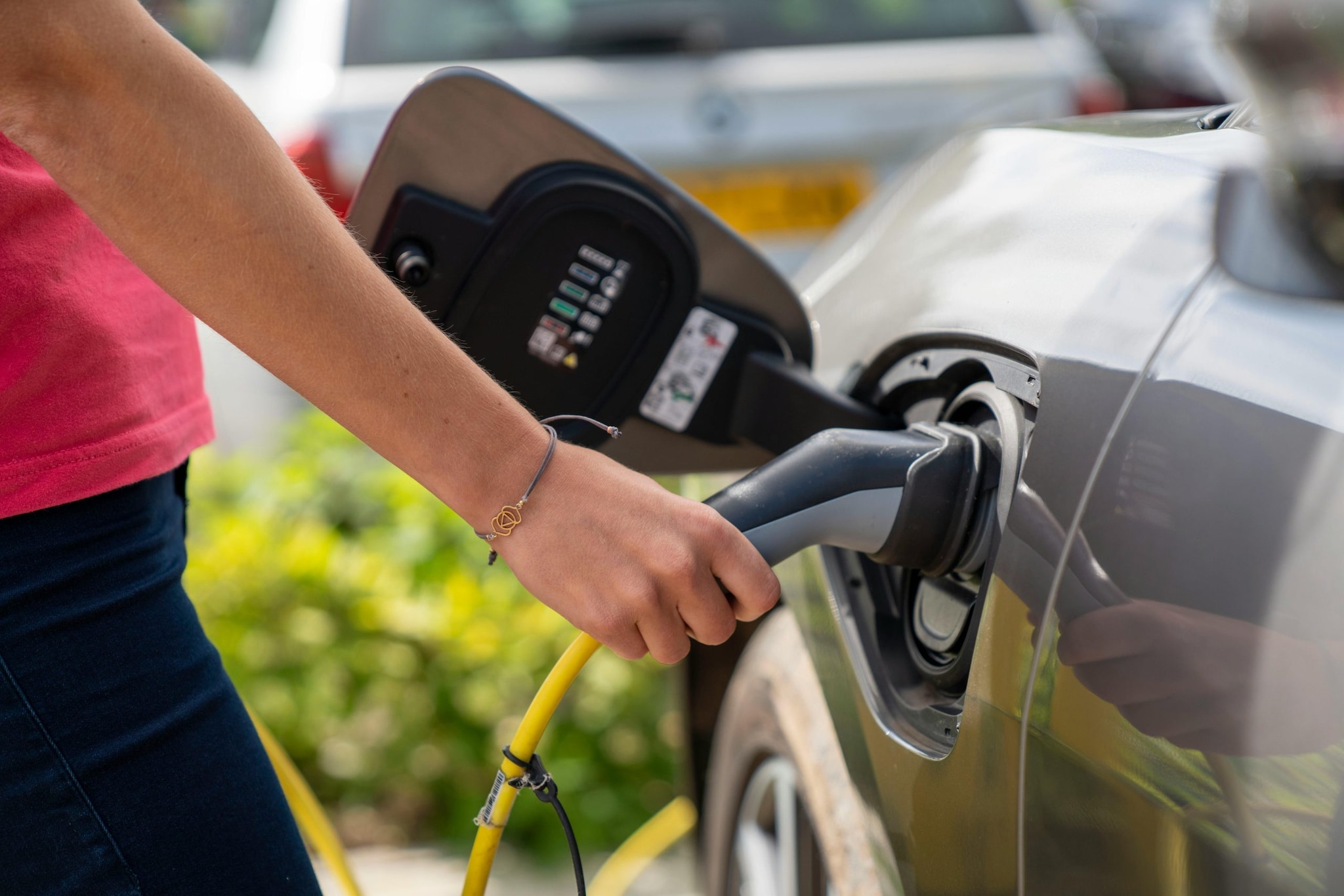
Switching To Electric Vehicles: Electric two-wheelers are rapidly gaining popularity in India, with 1.4 million units sold in FY2026, marking a 22% rise over the previous year, according to Vahan portal data. The growing demand is largely driven by lower running costs. A June 2025 report by the Council on Energy, Environment and Water (CEEW) found that electric scooters cost around Rs.1.48 per kilometre to operate, compared to Rs.2.46 per kilometre for petrol-powered models. For someone riding nearly 1,500 km every month in daily city commutes, this difference can result in annual savings of approximately Rs.18,000. Additionally, the price gap between electric and petrol scooters has reduced significantly due to FAME II subsidies and various state incentives. With lower fuel expenses, reduced maintenance costs, and improving affordability, switching to electric scooters has become a financially practical choice for urban commuters across India. (Image: Pexels)

Work From Home – Once A Week: Prime Minisiter Narendra Modi in his speech recalled the systems India built during COVID-19: work from home, online meetings, video conferences. These reduces communting, cut fuel bills, and did not collapse productivity. One WFH day in a week for urban office worker doing a 15-km commute eliminates roughly 120 km of car travel a month, which is 10 litres of petrol. (Image: Pexels)
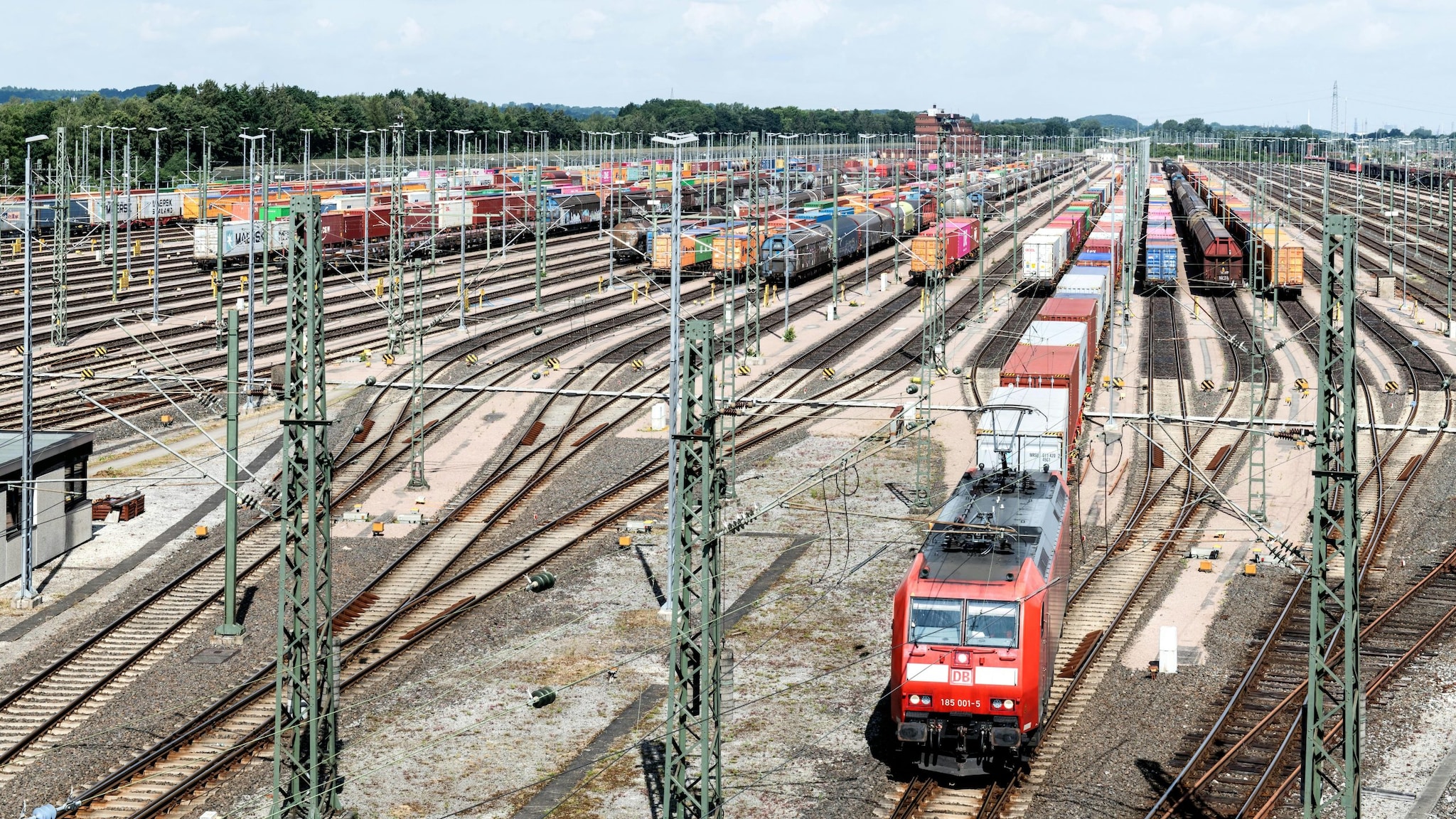
Move Goods By Rail: Most road transport in India still depends heavily on diesel-powered trucks, increasing fuel costs and import dependence. In contrast, Indian Railways — with a network spanning more than 7,000 stations — operates a large share of its freight services using electricity, much of which comes from domestic energy sources. The Railways Ministry has also been expanding freight infrastructure to support greater cargo movement. Transporting goods by rail instead of road can significantly cut diesel usage, lower long-distance logistics expenses, and reduce congestion caused by heavy vehicles on highways. During his Hyderabad speech, Prime Minister Narendra Modi highlighted the importance of shifting freight transport towards rail. For businesses regularly moving goods across distances of 300 km or more, rail transport often proves more economical and fuel-efficient than relying solely on trucks. (Image: Pexels)




 English (US) ·