

 6 hours ago
1
6 hours ago
1
ARTICLE AD BOX
Last Updated:May 12, 2026, 09:59 IST
Working mothers, crumbling govt schools, and whispers of a new virus: PM Modi's online class appeal is meant to save fuel. Indians aren't sure that's the whole story.


Modi called for online classes to save fuel amid the West Asia crisis — but for millions of working parents in Mumbai, Delhi and Bengaluru, the bigger crisis is: who minds the children?
When PM Narendra Modi stood at the inauguration of the Sardardham Hostel in Vadodara on May 11 and urged government and private schools to shift classes online, many Indians had instant déjà vu. The last time the country ran on virtual classrooms, things got complicated. Modi framed the suggestion in stark terms: “If the Covid pandemic was the biggest crisis of this century, then the circumstances created by the war in West Asia are one of the major crises of this decade."
His ask — go online, conserve fuel, revive pandemic-era habits — landed differently this time. Millions of parents in Mumbai, Bengaluru, and Delhi are now asking: do we really want to go back there?
Modi urged schools to conduct classes online amid concerns over the economic impact of the ongoing Iran-US war and rising crude oil prices, as part of a broader push that also included avoiding gold purchases, reducing petroleum use, promoting carpooling, and shifting freight to railways.
Among his suggestions were opting for WFH wherever feasible for up to a year, and he drew direct parallels with pandemic-era practices — noting that Indians had successfully adapted to virtual meetings and remote work during Covid-19.
Is It Really About Fuel — Or Is Something Bigger Coming?
This is where Indian social media is running hot. On Reddit, a user observed: “He’s preparing for something for sure. I think it’s coming as a suggestion right now, will be enforced soon if the situation doesn’t improve."
On X, speculation ranged from a “voluntary lockdown" to pandemic preparedness. Some users linked it to videos of the WHO Director-General discussing a new virus threat, with posts connecting Modi’s WFH-plus-online-school suggestion to hantavirus concerns.
Connect with what Modi said.Work from home, Online classes for school students.
the government is preparing for another "voluntarily lockdown". https://t.co/jTV7Nk7GDx
— Dhruveel Dave (@DaveDhruveel) May 11, 2026
However, no warning has been issued by Indian authorities regarding any impending danger from hantavirus, and there is nothing to worry about immediately on that front. The hantavirus posts circulating on social media appear to reference a 2020 China incident, not a current outbreak — the conflation is anxiety, not fact.
Still, the pattern is making people nervous. One X user pointed out that Modi was simultaneously asking people to go WFH, shift schools online, avoid buying gold, go vocal for local, and reduce chemical fertilisers — a cluster of asks that feels less like fuel conservation and more like preparation.
Did Online Classes Actually Help Last Time?
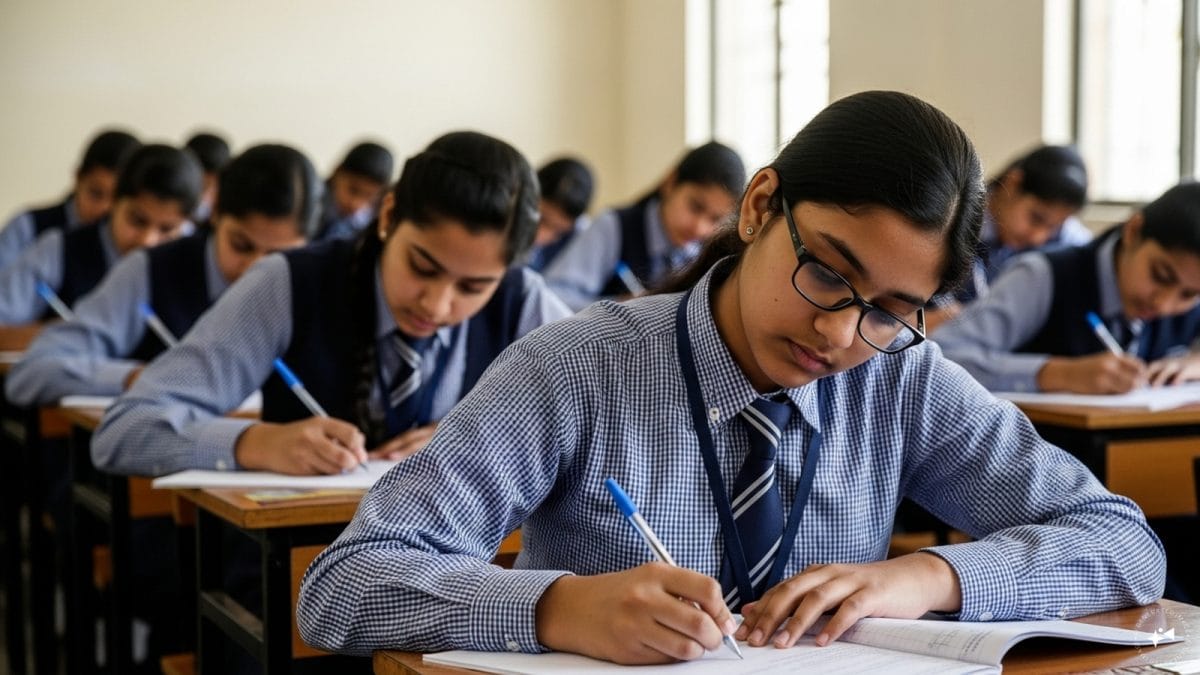
Partially, but the picture was uneven. Only 20% of school students surveyed during Covid said online classes were more convenient than offline ones, even as 46.5% acknowledged they improved their technological literacy.
Research found that internet quality, family income, and the number of rooms in a home were all factors that determined how well a child fared online — factors that hit hardest in cities like Mumbai and Bengaluru, where high-rise apartment living and multi-generational households are the norm.
Lack of face-to-face interaction led to frustration among both teachers and students, and parents worried about whether children were getting adequate technical support.
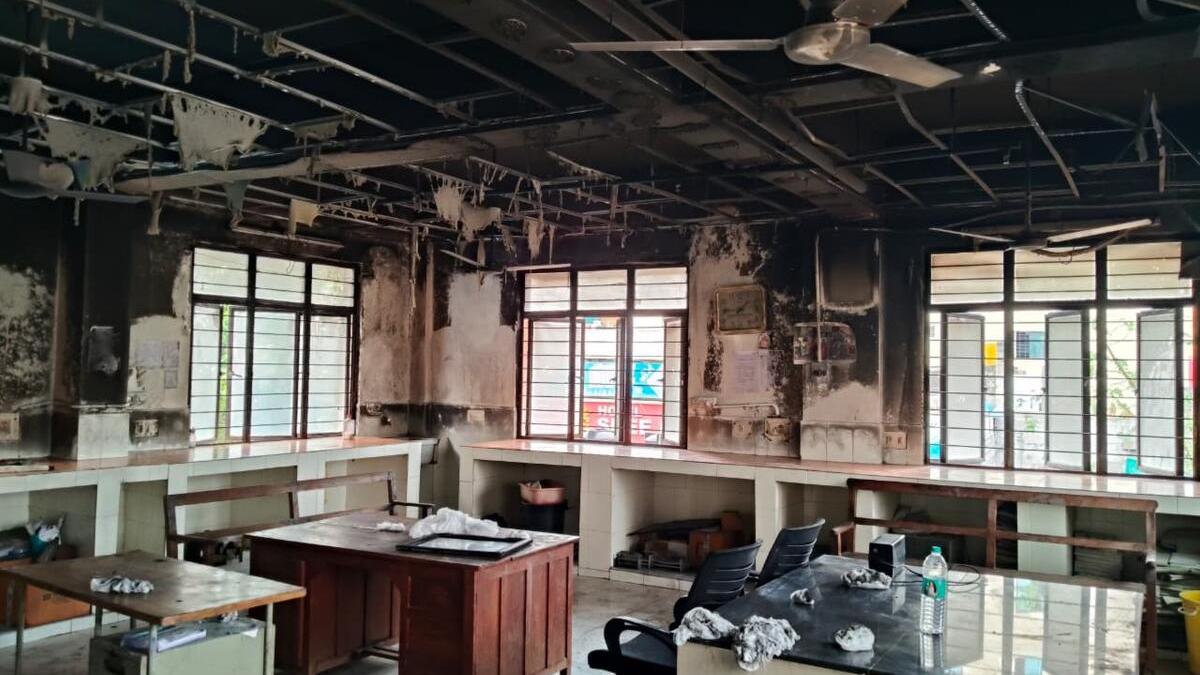
The access question is also sharp. As one Reddit user from Bengaluru pointed out: “Tell me which government school is capable of deploying online classes? The government school near my house barely has working tube lights, half their classes are under a tree."
The digital infrastructure gap between elite private schools in South Mumbai or Koramangala and government schools in peripheral areas is vast — and a blanket online-school push papers over that divide.
What Do Experts Say About Learning Outcomes?
The research is mixed, but leans cautious. In 11 out of 13 parameters measured, students rated online classes as somewhat less effective than physical ones, including interaction levels, doubt-clearing sessions, and professional development.
Online education also risked widening the gap between different socioeconomic sections of society, even while potentially not discriminating within classrooms the way physical schools sometimes do.
Can Online Classes Make Children More Introverted?
This is the concern Metro parents articulate most often. Child psychologists note that school is not just instruction — it is where children learn conflict resolution, peer negotiation, and emotional regulation through daily, unscripted interaction.
The shift to online education disrupted daily rhythms, transformed learning opportunities, and redefined social connections with peers and teachers, with studies showing children experienced “ambivalence and diverse changes in wellbeing."
For younger children in particular — primary schoolers in Bengaluru, Delhi, or Mumbai who spent nearly two years on screens during Covid — another stretch of social isolation carries real developmental risk, especially in the absence of playground time and group activities.
Not everyone sees it that way, though. Some voices on X are actually pushing Modi to go further. @BharatIndia2047 suggested making online classes mandatory for two or three days a week rather than leaving it optional — claiming to have pitched the same idea to the PM earlier.
It’s a hybrid model that some education technologists have long advocated: retain in-person schooling for social development while using online days to cut commute load and costs. But for working parents, even a partial shift raises the same childcare question one mother raised sharply on X: “Modi ji online class ki baat karte hain.. working mother ke bache agar school nahi jayenge to unko kaun dekhega?" — who looks after the children of working mothers when schools go partly or fully virtual?
The Bottom Line
Modi’s suggestion is framed as voluntary and crisis-driven, with a clear rationale: reduce petroleum consumption, ease pressure on foreign exchange reserves, and mirror Covid-era adaptability.
The fuel argument has logic — school runs account for a significant slice of daily urban traffic in cities like Mumbai and Delhi, and even a partial shift could move the needle. But “voluntary" suggestions from a Prime Minister carry weight, and the memory of how quickly Covid recommendations became mandates is fresh.
Parents aren’t panicking — but they are watching. And many are hoping this stays a suggestion.
Handpicked stories, in your inbox
A newsletter with the best of our journalism
News cities bengaluru-news PM Modi Wants Virtual Classrooms, Parents Want Answers — Bengaluru's Govt Schools Just Want Tube Lights
Disclaimer: Comments reflect users’ views, not News18’s. Please keep discussions respectful and constructive. Abusive, defamatory, or illegal comments will be removed. News18 may disable any comment at its discretion. By posting, you agree to our Terms of Use and Privacy Policy.
Read More

 English (US) ·