

 1 hour ago
2
1 hour ago
2
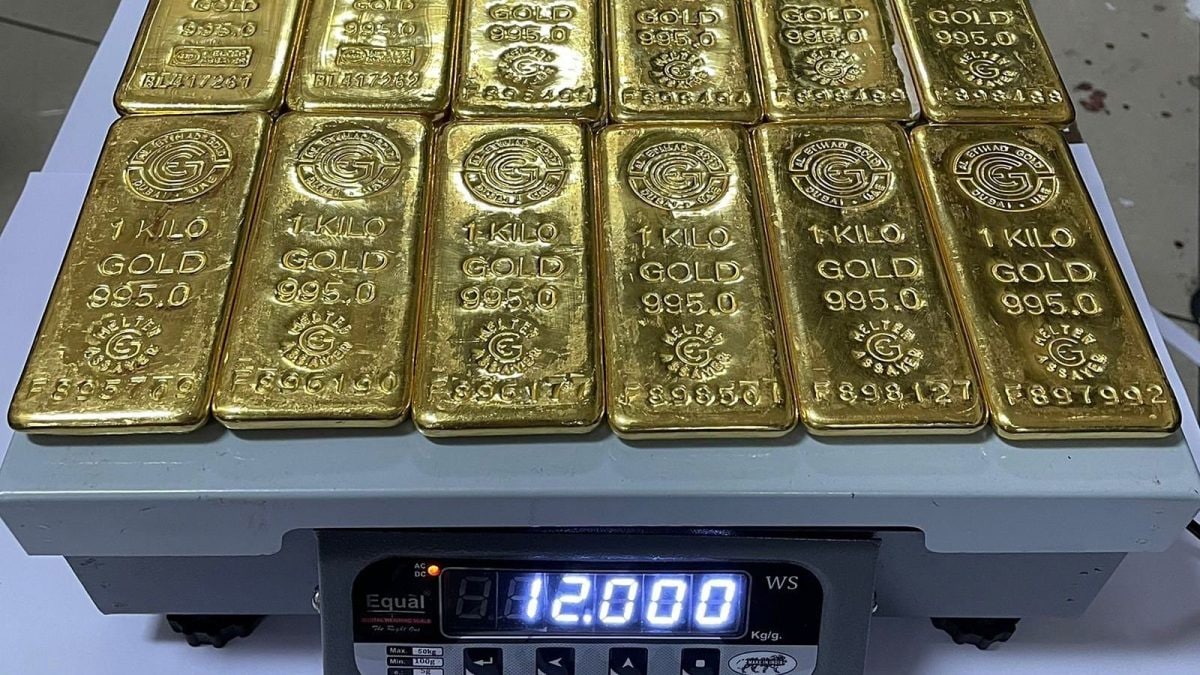
Prime Minister Narendra Modi’s advisory to citizens on gold purchases has not made much difference to gold sales and customer footfall so far, though it has impacted consumer sentiment, pushing some buyers into a cautious or wait-and-watch mode, gold traders told The Hindu on Thursday.
They said it was too early to predict a clear trend, and it might take several weeks to months for a solid trend in gold sales to emerge.
C. Vinod Hayagriv, managing director, C. Krishniah Chetty Group, observed that gold buyers were actually saying that it was unfair to ask them to reduce their spending on jewellery. “They empathise with the Prime Minister, but are unhappy to be told to reduce their spending on jewellery,’’ he said, adding that outlets did not see any reduction in the sales of gold jewellery after the Prime Minister’s advisory.
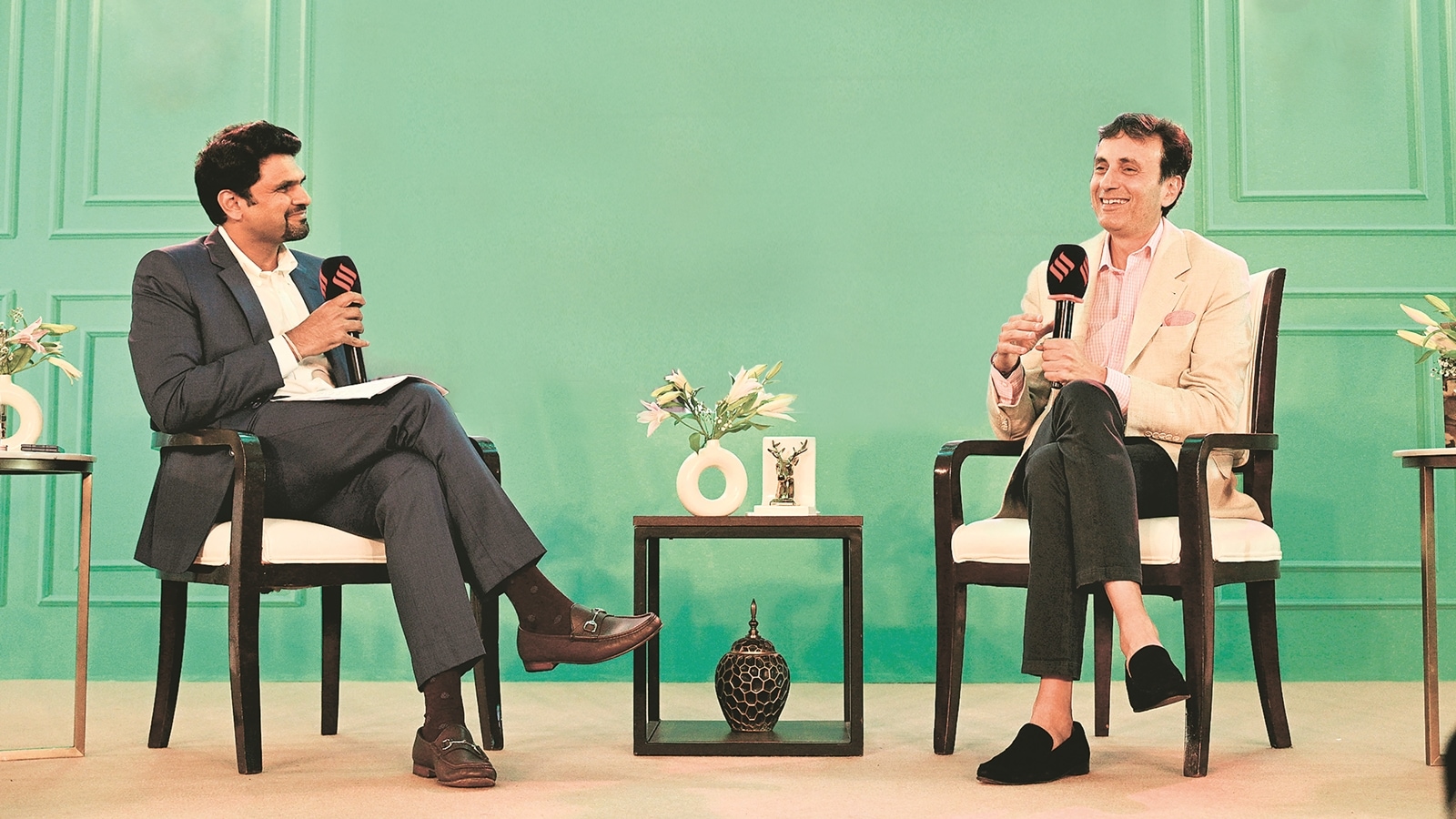
Gaurav Singh Kushwaha, founder and CEO, BlueStone Jewellery, said, India has always viewed gold beyond just a discretionary purchase; it was deeply linked to culture, weddings, gifting and long-term value creation. “At present, the markets were not seeing any material impact of the advisory on customer sentiments or footfall,’’ Mr. Kushwaha confirmed.
According to T.A. Sharavana, president of the Karnataka Jewellers Association, owner of Shree Sai Gold Palace and a former MLC, the Prime Minister’s call was aimed at bullion investment and not at individual buyers purchasing gold jewellery and ornaments. “Gold jewellery and ornaments are part of our heritage, culture and celebrations, and that will continue,” Mr. Sharavana said.
He further noted that what was hurting most was high taxation on gold imports. This would affect buyers and traders alike. The high price of gold would also lead to black market and illegal trade of gold and bullion, he cautioned.
M.P. Ahammad, chairman, Malabar Group, said India owned one of the world’s largest privately held gold reserves while continuing to rely significantly on imports to meet domestic demand.
He said that greater focus on recycling, exchange, reuse, and monetisation of existing domestic gold could play an important role in reducing import dependency, limiting dollar outflow, and strengthening the Indian economy over the long term.
“Mobilisation of even 1-2% of India’s domestic gold holdings could potentially release nearly 600-700 tonnes of gold into circulation, equivalent to a substantial portion of the country’s annual gold import demand,’’ said Mr. Ahammad.
Malabar Gold & Diamonds has recently submitted a proposal to the Union government recommending strategic enhancements to the Gold Monetisation Scheme (GMS).
he proposal submitted to Finance Minister Nirmala Sitharaman and Commerce & Industry Minister Piyush Goyal outlines practical measures aimed at increasing public participation in GMS, mobilising idle gold into the formal economy, and encouraging greater recycling, reuse, and circulation of existing gold within India.T
Gem & Jewellery Export Promotion Council (GJEPC) chairman Kirit Bhansali noted that the most severe impact of the recent hike in customs duty would be felt by MSME manufacturers, accounting for 80% of GJEPC’s membership, who are currently facing a critical liquidity crunch.
“GJEPC’s consistent position is that hiking import duties rarely curbs gold imports — it merely inflates prices. Despite gold prices doubling recently, imports have not declined proportionally. Such measures often fuel smuggling and escalate export costs,’’ he cautioned.
GJEPC recently urged the government to engage in dialogue for sustainable solutions that align fiscal goals with export growth. ”We have written to the Prime Minister outlining proactive measures from our members to curb gold imports and bolster self-reliance,’’ Mr. Bhansali added.
City jeweller Girish Ramanathan of Ikaksh Jewels said that advisories tend to make people cautious and take more informed decisions, but in India, jewellery is not just about investment — it is also about celebrations, culture, weddings, anniversaries, holidays and gifting. Commenting on the gold market outlook for FY27, he said the trend would shift towards need‑based purchases, with light‑weight jewellery emerging as a preference, a pattern already visible among new‑generation consumers opting for budget buys.
According to Prithviraj Kothari, Managing Director of RiddiSiddhi Bullions and president of the India Bullion and Jewellers Association, big retail chains have not seen a significant drop in footfall on the ground, suggesting that the advisory’s initial impact has been psychological rather than transactional. However, he said FY27 presents a bifurcated outlook.
Aarav Bafba, director, Akoirah By Augmont, opined that while advisories may influence short-term sentiment, demand for fundamentals for gold in India would remain strong. “Over the next year, purchasing patterns may become more cautious, but overall demand is expected to remain stable during festive and wedding seasons,’’ he added.
One interesting trend we’re seeing is that more people are exploring exchange and recycling options, looking to make the most of their existing gold, given how prices have moved, observed Sunny Singh, founder of DAIMANTÉ. “We’re cautiously optimistic about the long term, even though FY27 could be a mixed bag given price volatility, evolving policies, and global factors affecting imports,’’ Mr. Singh added.
Prakhar Jalan, director, Vasundhra Jewellers, stated that Indians’ affinity for gold was deep and culturally rooted. “More than the advisory, high customs duty on gold from 6% to 15%, which pushed prices close to ₹10,000 per 10 gram, may hurt the industry more.’’
Speaking further on bullion, Mr. Hayagriv said, “I strongly reiterate that dead bullion investment must be curtailed as it does not contribute to the economy. We have seen clients making a loss in bullion investments since January due to volatility. Bullion is a raw material. Not an investment avenue. Where do we see anyone hoarding steel, manganese, copper, etc.? Gold is an ornament. The increase in duty on gold imports will give rise to many other ills.’’
Mr. Sharavana said that individual consumers should stop buying gold biscuits and chunks, which can bring down 50% of gold sales in the country. “Maybe the government should bring in a regulation to discourage bullion/biscuit purchases by individuals as an investment options,’’ he suggested.




 English (US) ·