

ARTICLE AD BOX
R S Jalan of GHCL explains how responsible industrialisation can drive sustainable growth, clean energy, greener manufacturing and community impact in India.
By R S Jalan
The global conversation on sustainability is undergoing a decisive shift from intent to action. Today, the real challenge is not choosing between industrial growth and environmental stewardship, but ensuring that both advance together in harmony.
For a rapidly developing nation like India, industrialisation continues to be a cornerstone of economic progress. At the same time, it must be aligned with environmental consciousness. This is where the vision of a truly Viksit Bharat comes into focus, a nation that not only builds, but builds responsibly.
The responsibility to protect the planet lies in collective and everyday actions. Industries are increasingly being guided by the framework of People, Planet and Progress to create meaningful and lasting impact through responsible practices, continuous innovation and community engagement.

Sustainable Manufacturing: Building Responsibly
Across manufacturing sectors, sustainability is no longer a standalone initiative, but a way of thinking that guides how industries operate and evolve. In sectors such as chemicals and materials, there is a growing focus on making processes cleaner, more efficient and resource-conscious.
From improving air quality through advanced air quality monitoring systems to reducing freshwater dependency with seawater-based cooling, efforts are directed at minimising environmental impact while maintaining operational excellence. At the same time, process improvements such as enhanced CO₂ capture and the increasing use of renewable energy is helping industries move towards a lower-carbon future. Sustainability is becoming deeply embedded in manufacturing practices, ensuring that progress is aligned with responsibility.
The Government of India has committed to achieving net-zero emissions by 2070. Understanding the importance of achieving this target, companies are embedding sustainability in their manufacturing process. Soda ash manufacturer GHCL for instance, has adopted process improvements such as enhanced CO₂ capture, use of biomass co-firing and renewable energy as it targets a 30% reduction in Scope 1 and 2 emissions by 2030. Such initiatives are necessary to achieve a net-zero emission and contain environmental impact while maintaining operational excellence.
Responsible Mining: Restoring and Reviving Land
Mining remains essential to industrial growth, but equally important is how industries restore what they use. Across mining operations, land reclamation is emerging as a key focus.
Post-mining, these areas are being carefully restored and transformed through plantation drives, with thousands of trees planted to rebuild green cover. This not only improves biodiversity but also creates opportunities for nearby communities.
These restored lands are increasingly supporting livelihoods, improving soil quality and contributing to a healthier environment. Initiatives like these demonstrates that responsible mining can create long-term value beyond resource extraction.
Environment & Sustainability: Acting for the Planet
With rising global carbon emissions and intensifying climate challenges, every step towards sustainability matters.
Industries are actively reducing emissions through the adoption of electric trucks, electric vehicles and CNG-based transport, making logistics and daily operations cleaner and more efficient. Commitments to enhancing green cover are also gaining momentum, with large-scale plantation drives contributing to improved biodiversity and carbon absorption.
In coastal regions, mangrove afforestation is playing a critical role in restoring ecosystems, protecting marine life and acting as a natural shield against climate impacts. Companies are now taking the lead. GHCL, a manufacturing company, has planted and distributed more than 3 lakh saplings, contributing to improved biodiversity and carbon absorption. It is also helping restore coastal ecosystems and protect marine life by undertaking a large-scale mangrove afforestation of over 5 lakh plants.
Empowering Communities: Growing Together
Sustainability extends beyond operations into the communities industries serve. Increasingly, efforts are being made to support farmers in adopting more sustainable agricultural practices.
Initiatives such as soil testing, organic manure support through anaerobic solutions and the promotion of drip irrigation are improving soil health, reducing water usage and enhancing farm productivity. These efforts are benefiting thousands of farmers, helping build stronger and more resilient rural ecosystems.
Powering Progress with Renewable Energy
Across sectors, the transition to clean energy is accelerating. A growing share of industrial energy consumption is now being sourced from renewable options such as wind and solar.
This shift is significantly reducing carbon emissions while ensuring sustainable operations. Alongside this, energy efficiency initiatives are helping lower overall electricity consumption, reinforcing the commitment to responsible growth.
Clean energy is no longer an alternative but the future. Responsible industrialisation, where growth and environmental stewardship go hand in hand will be key to creating long-term value for society, the economy and the planet.
About the Author
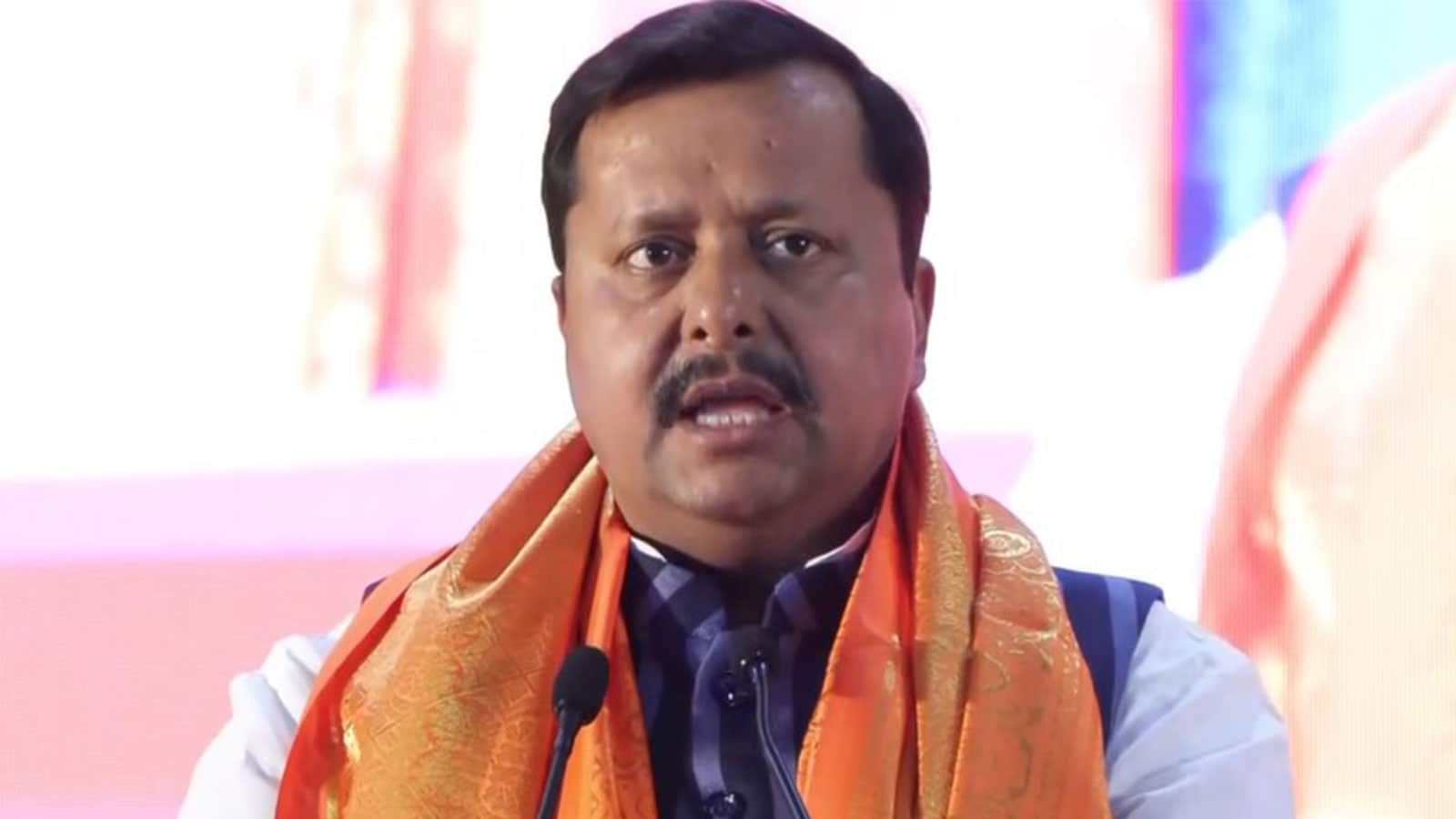
R. S. Jalan, Managing Director of GHCL, a seasoned industry leader known for driving sustainable growth and strategic innovation in the chemical sector.
(India CSR)

ADVERTISEMENT

ADVERTISEMENT
ADVERTISEMENT










 English (US) ·