

 1 hour ago
4
1 hour ago
4
ARTICLE AD BOX
On most evenings in Chennai, the streets are loud with traffic, vendors, and the familiar rhythm of a crowded Indian city. But inside a modest home in the suburb of Padi, a small boy once sat quietly across a chessboard, studying the pieces with unusual intensity.
The boy was Rameshbabu Praggnanandhaa. Long before the world would watch him challenge the strongest grandmasters on the planet, he was simply a child fascinated by patterns, a mind drawn to the silent drama unfolding across sixty-four squares.
A game that entered through the family
Praggnanandhaa was born on 10 August 2005 to a middle-class family in Chennai. His father, Rameshbabu, worked at a bank, while his mother, Nagalakshmi, managed the household and soon became the quiet engine behind her son’s journey.
Chess did not arrive in his life through a grand plan. It came through his elder sister, R. Vaishali, who had begun learning the game before him. When Praggnanandhaa was about five years old, he started watching her practice.
Soon, he was playing himself. What began as curiosity quickly turned into something more striking.The young boy seemed to grasp the logic of the board almost instinctively. Coaches began noticing that he calculated moves unusually fast for his age.
More importantly, he seemed to enjoy the struggle of the game, the quiet patience, the puzzles within puzzles.
A prodigy the chess world could not ignore
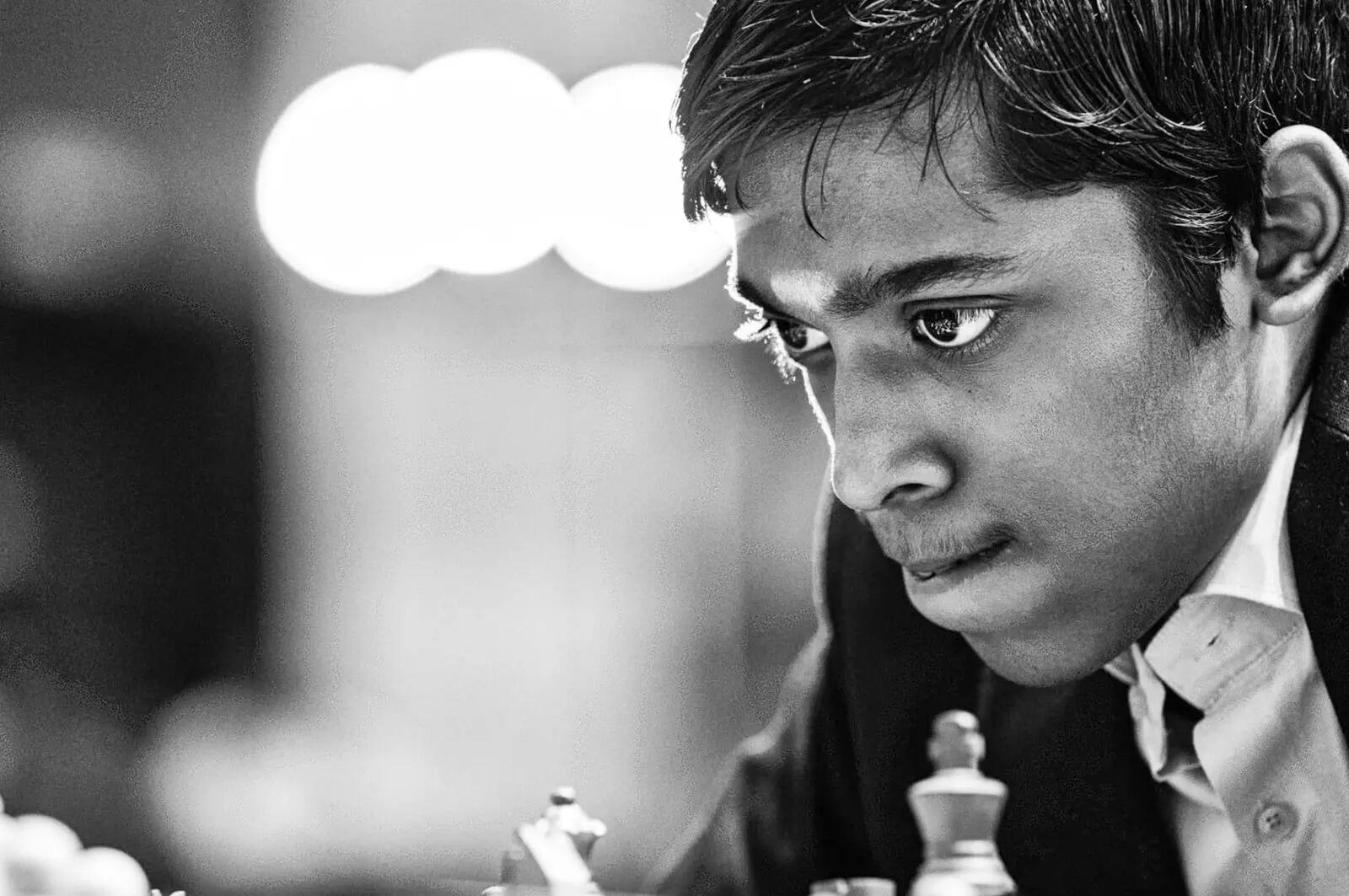
The first major signal of his extraordinary talent arrived in 2013. At just seven years old, Praggnanandhaa won the World Youth Chess Championship in the Under-8 category. Two years later, he repeated the feat in the Under-10 section.For most children, such victories would already feel extraordinary. For Praggnanandhaa, they were only the beginning.
In 2016 he achieved the title of International Master at the age of 10 years, 10 months and 19 days, then the youngest player in the world to reach the milestone. Inside the chess community, whispers began spreading: India might be witnessing the rise of another prodigy.
Becoming a grandmaster before his teens
In 2018, the young Indian crossed the final threshold every serious chess player dreams of. At just 12 years, 10 months and 13 days old, Praggnanandhaa became a Grandmaster, the second-youngest in history at the time.The achievement placed him among a rare group of teenage prodigies who had stunned the chess world with their precocious brilliance.Yet those who met him during tournaments often noticed something else: his remarkable calm. Praggnanandhaa rarely displayed the swagger sometimes associated with prodigies. Instead, he carried himself with quiet focus, answering questions softly and favouring to return quickly to analysis.
The mother behind the journey
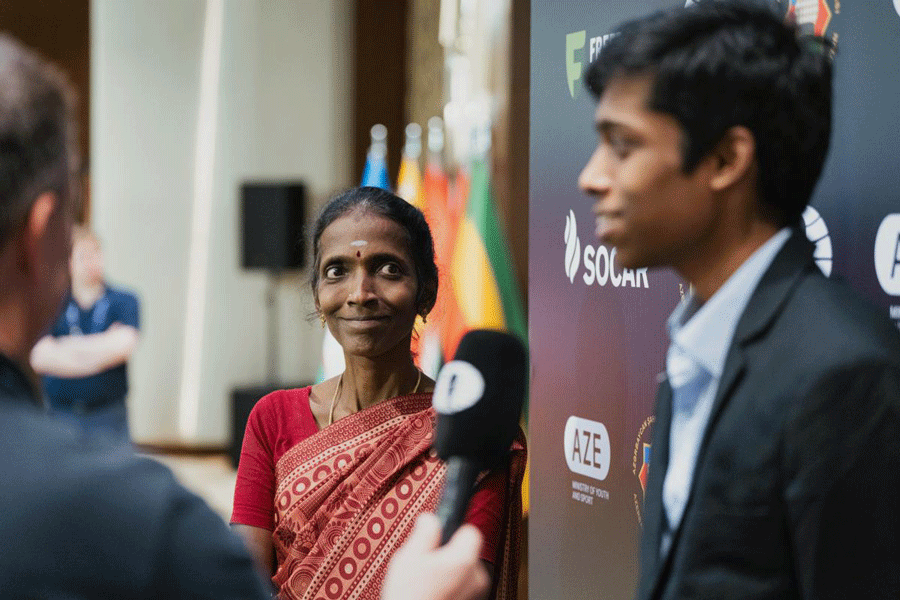
Behind the calm teenager was a powerful story of family sacrifice. His mother, Nagalakshmi, often travelled with him across continents for tournaments, managing flights, food, and schedules while he focused on the board. For years she became his constant companion on the global chess circuit. It was not an easy life. They soon realised international tournaments demanded time, money, and relentless discipline.
But the family believed in the boy who seemed able to see possibilities on the board others missed.By the early 2020s, Praggnanandhaa had begun challenging elite players regularly. But one result captured global attention. In 2022 he defeated the reigning world champion, Magnus Carlsen, during the Airthings Masters online tournament. The victory made headlines across the chess world.For many observers, it marked the moment when Praggnanandhaa stopped being described only as a “young talent” and started being viewed as a serious competitor.
A historic run at the World Cup
If there was any doubt left, it disappeared in 2023 at the FIDE Chess World Cup. The tournament became the stage for one of the most dramatic runs in recent chess history. As Praggnanandhaa defeated some of the strongest players in the world, including Hikaru Nakamura and Fabiano Caruana, many began to realise that the young Indian prodigy was no longer just a rising talent, but a genuine force in world chess. Each match emphasised his fearless creativity and remarkable composure at the board.The fairytale run carried him all the way to the final, where he once again faced Magnus Carlsen. Though Carlsen ultimately won the title, the journey was widely seen as a remarkable honour for the young Indian prodigy, and Praggnanandhaa’s performance was widely recognised as the arrival of one of the brightest stars of the new chess generation.Yet for all the attention and accolades, the image that captures him best remains a simple one: a young man leaning over a chessboard, studying quietly, searching for the one move others cannot see. Because in the end, that is where his story truly lives: not in headlines or trophies but in the silent concentration of a mind that learnt, very early in life, how to think several moves ahead.





 English (US) ·