

 22 hours ago
4
22 hours ago
4
ARTICLE AD BOX
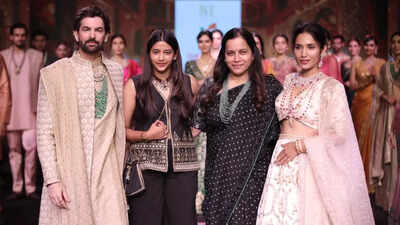
Project Himroo: Mamatha Tulluri ‘s quiet revival of the Royal Weave, adorned by Neil Nitin Mukesh
For Mamatha Tulluri, fashion has never been about trends or seasons. It has always been tied to memory, culture, and the quiet responsibility of carrying forward what is slowly disappearing.
Her journey with Himroo is deeply personal, the story of a woman responding to a craft that, in her own words, “chose her before she chose it.”Himroo, a fabric that originated in 14th century Aurangabad, was once woven exclusively for royalty. Crafted with a cotton base and silk weaving, it emerged as a luxurious alternative to kum-khwab, the famed gold and silver brocade of the Mughal courts. The name Himroo comes from the Persian word Hum-ruh, meaning ‘similar’, as it was designed to emulate royal textiles.
Over time, it evolved into a distinctive Deccani craft, known for its intricate motifs and understated elegance.Today, fewer than a handful of artisans truly understand the original Himroo technique. The craft stands on the brink of extinction. And this is where Mamatha Tulluri’s journey begins, not as a designer chasing trends, but as a custodian answering a call.Born and raised in Hyderabad, Mamatha grew up immersed in the city’s Ganga-Jamuni tehzeeb, where jewellery, textiles, rituals, and clothing were lived experiences rather than curated aesthetics.
A turning point came when she met Suraiya Hassan Bose, fondly known as Suraiya Aapa, widely regarded as the grand old lady of Indian handlooms.“Meeting Suraiya Aapa felt like destiny,” Mamatha recalls. “Through her, I discovered Himroo, Mashru, Jamewar, Paithani, not as fabrics, but as living histories. They were voices speaking to me from the past.”With no formal training in textiles and no generational legacy in weaving, Mamatha found herself drawn instinctively towards Himroo.“I did not choose this craft consciously,” she says. “It chose me. And once it did, I knew there was no turning back.”In 2017, she set up her own Himroo weaving unit, beginning years of painstaking revival work. This was not a revival of branding. It was structural, slow, and deeply labour-intensive. She assembled artisans, recreated forgotten techniques, studied archival motifs, and learned directly on the loom.“Reviving a weave is emotional labour,” Mamatha says. “You have to unlearn modern speed. You have to respect the rhythm of the loom. Himroo cannot be rushed. It demands patience, humility, and surrender.”She also initiated a paid training programme for young women, creating a new generation of Himroo weavers.“This is not just revival,” she explains. “It is livelihood. It is dignity. These women are becoming future custodians of a heritage that was almost lost.”Her work has since been showcased across India and internationally, including multiple presentations in the United States, Delhi, and at Parishkriti, IIC New Delhi, where she was invited to represent contemporary handlooms, handpicked by the Ministry of Textiles and the Development Commissioner (Handlooms).A defining moment came when at her Times Fashion Week Debut, Mamatha styled Neil Nitin Mukesh, marking the first time a celebrity adorned her authentic Himroo design.
Coming from a celebrated artistic lineage himself, Neil connected instinctively with the depth and history of the weave. Draped in Himroo, he spoke of feeling like a royal prince, and openly gushed about the fabric and Mamatha’s interpretation of it.
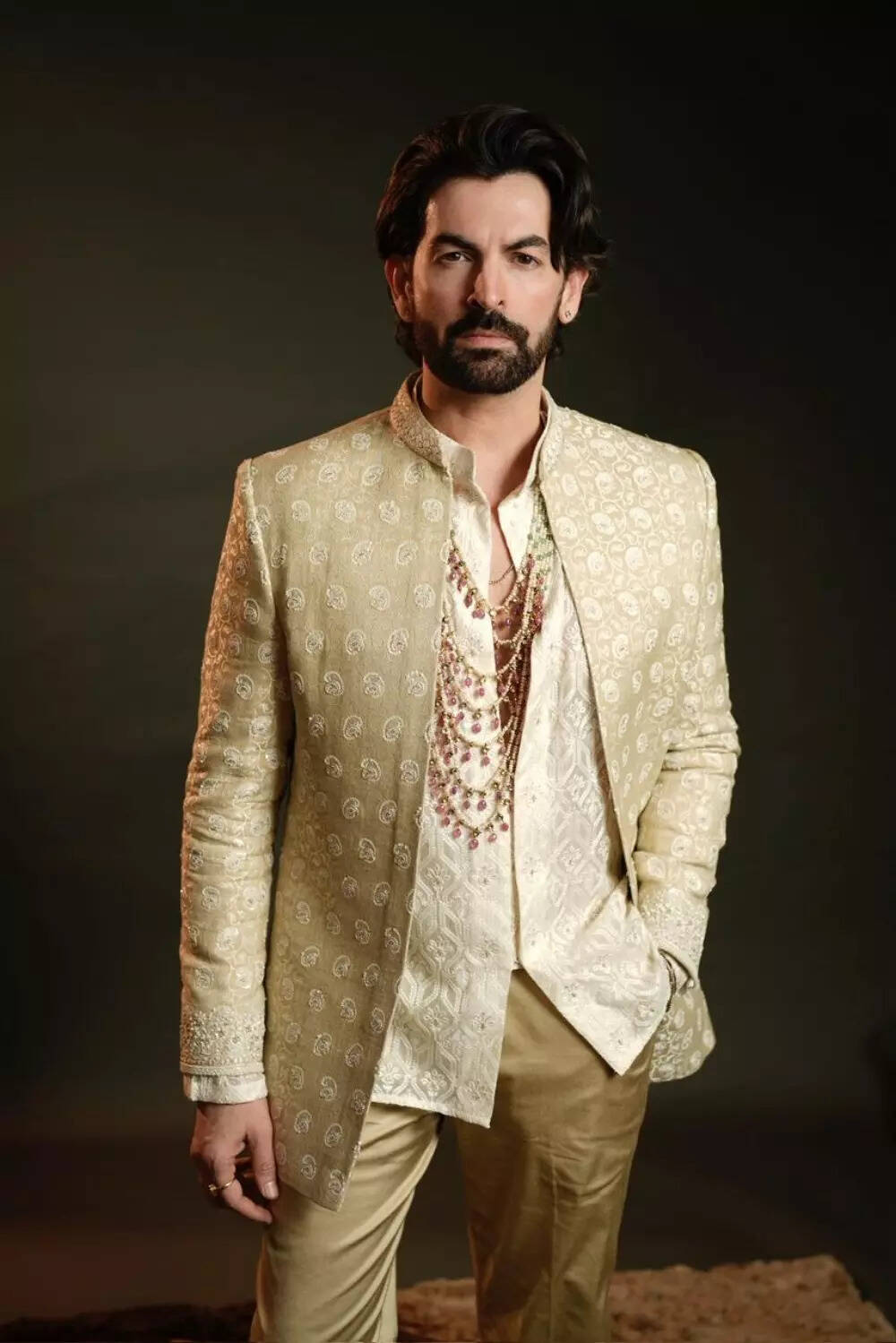
For Mamatha, the moment was deeply emotional.“It felt like Himroo found its voice again,” she shares. “Neil understood the weight of the fabric, not just on the body, but in history.
He wore it with dignity, restraint, and reverence. I felt proud, grateful, and quietly joyful.”
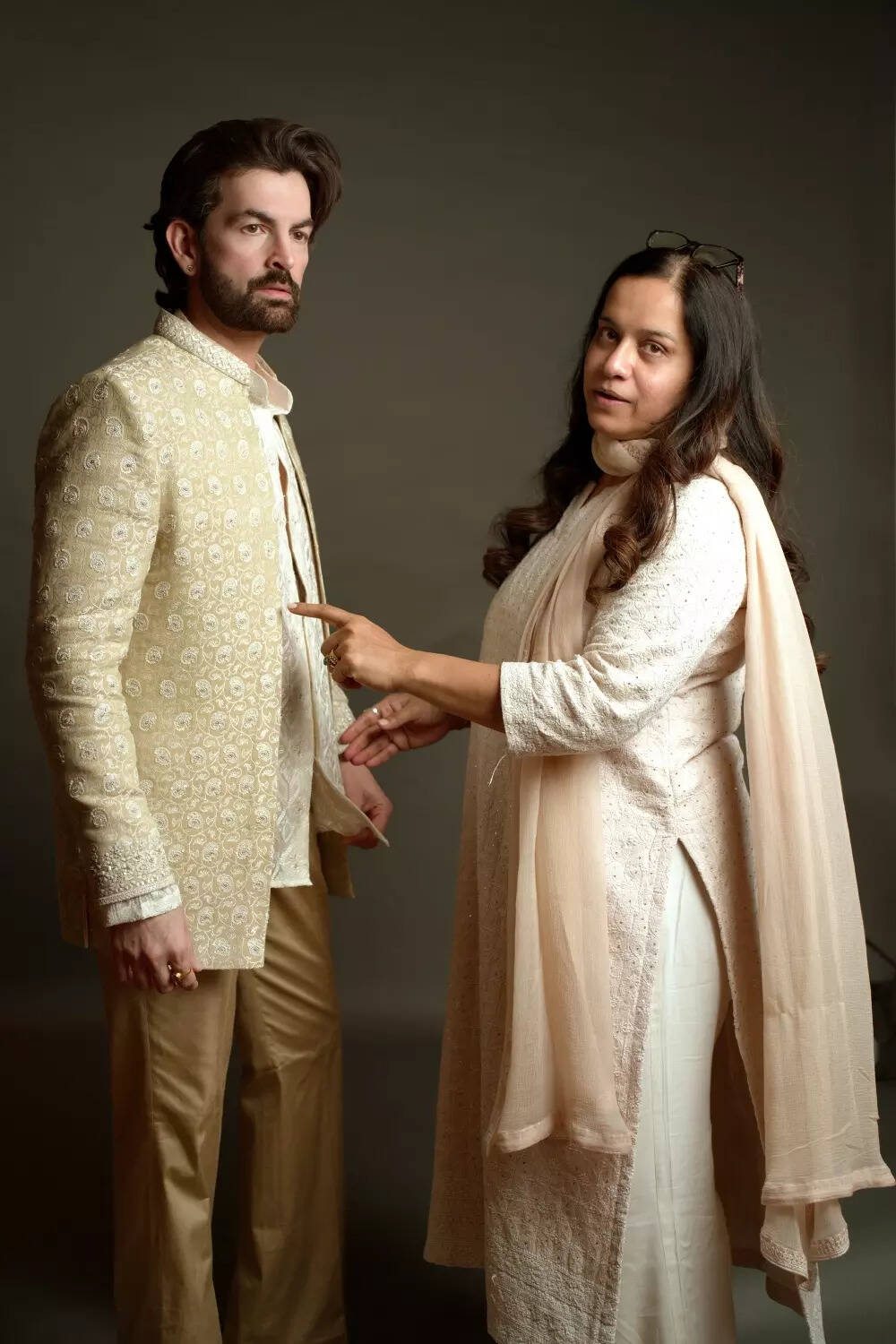
At Times Fashion Week, her Himroo showcase felt less like a fashion show and more like a Deccani narrative unfolding in motion.
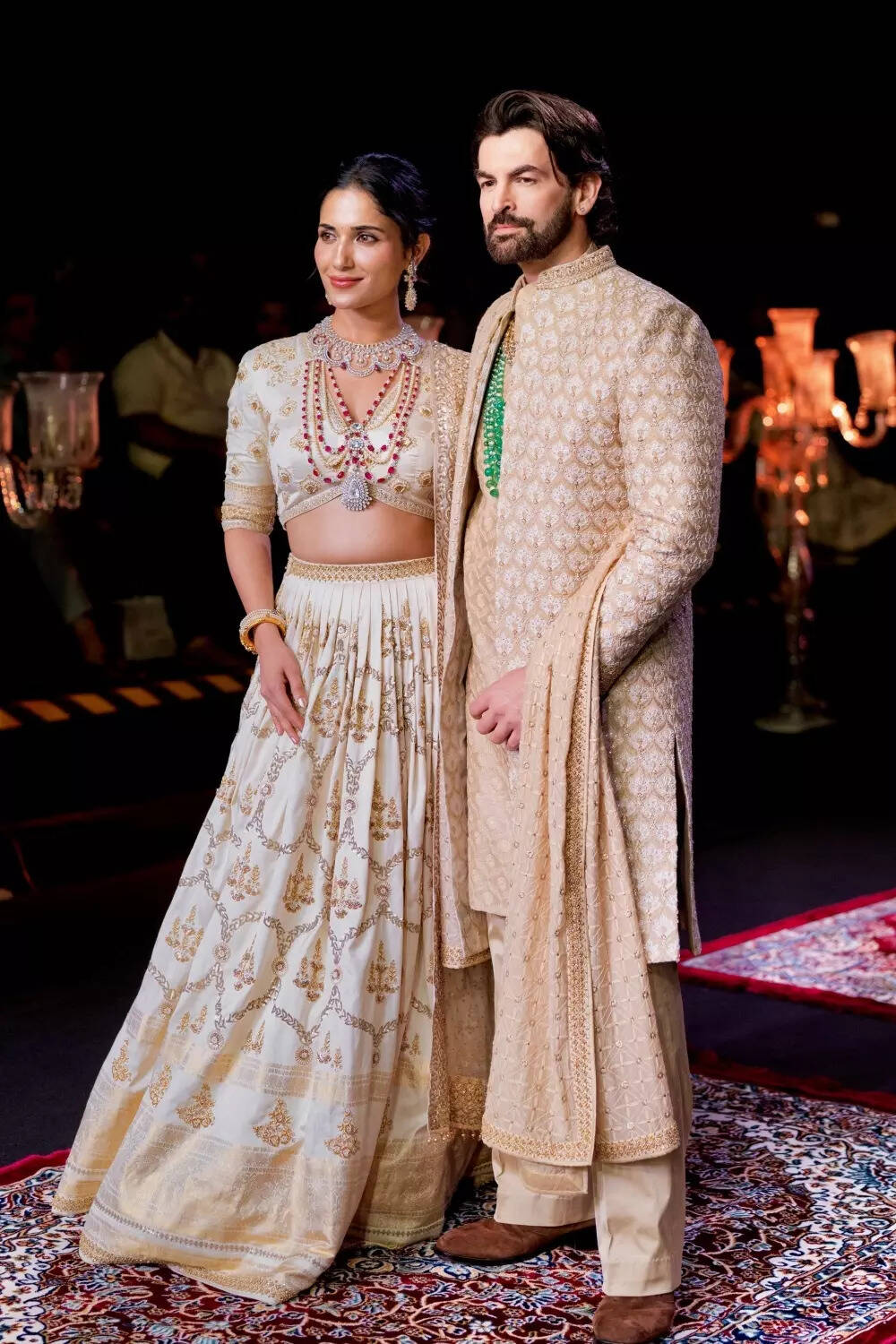
Today, Mamatha Tulluri is among the very few crafting authentic Himroo. Each piece is produced slowly, ethically, and in limited numbers,not as luxury, but as legacy.“In preserving Himroo, we are preserving history,” she says.
“But more than that, we are preserving knowledge, hands that know, eyes that remember, and stories that deserve to survive.”For her, Project Himroo is not a collection. It is a lifelong commitment. A tribute to the craft that found her, claimed her, and became inseparable from her story.And as Himroo walks into the future, from royal courts to global runways, Mamatha Tulluri continues to sit beside the loom, listening, learning, and weaving the past into the present. Not to preserve history, but to let it live.Disclaimer: The above content is non-editorial, and TIL hereby disclaims any and all warranties, expressed or implied, relating to it, and does not guarantee, vouch for or necessarily endorse any of the content.



 English (US) ·