

 1 hour ago
7
1 hour ago
7
ARTICLE AD BOX
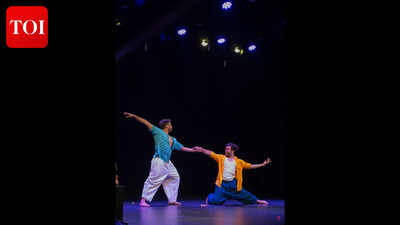
Satrang Mahotsav spanned 6 days and showcased queer stories by queer artists (Picture credits: Rinesh)
A play about a lesbian couple still figuring out societal acceptance after spending 20 years together, a Lavani workshop that explored gender through role reversals, panel discussions on queering theatre, text, audiences and other performances.
Over the past week, Satrang Mahotsav brought a range of queer stories and perspectives to Pune through six days of theatre, workshops and conversations. From productions like The Light in My Eyes, Some Mothers, Other Mothers, Ek Madhav Baug and Dirty Laundry 2.0 to workshops on drag, contact improvisation and folk arts, the festival had it all.
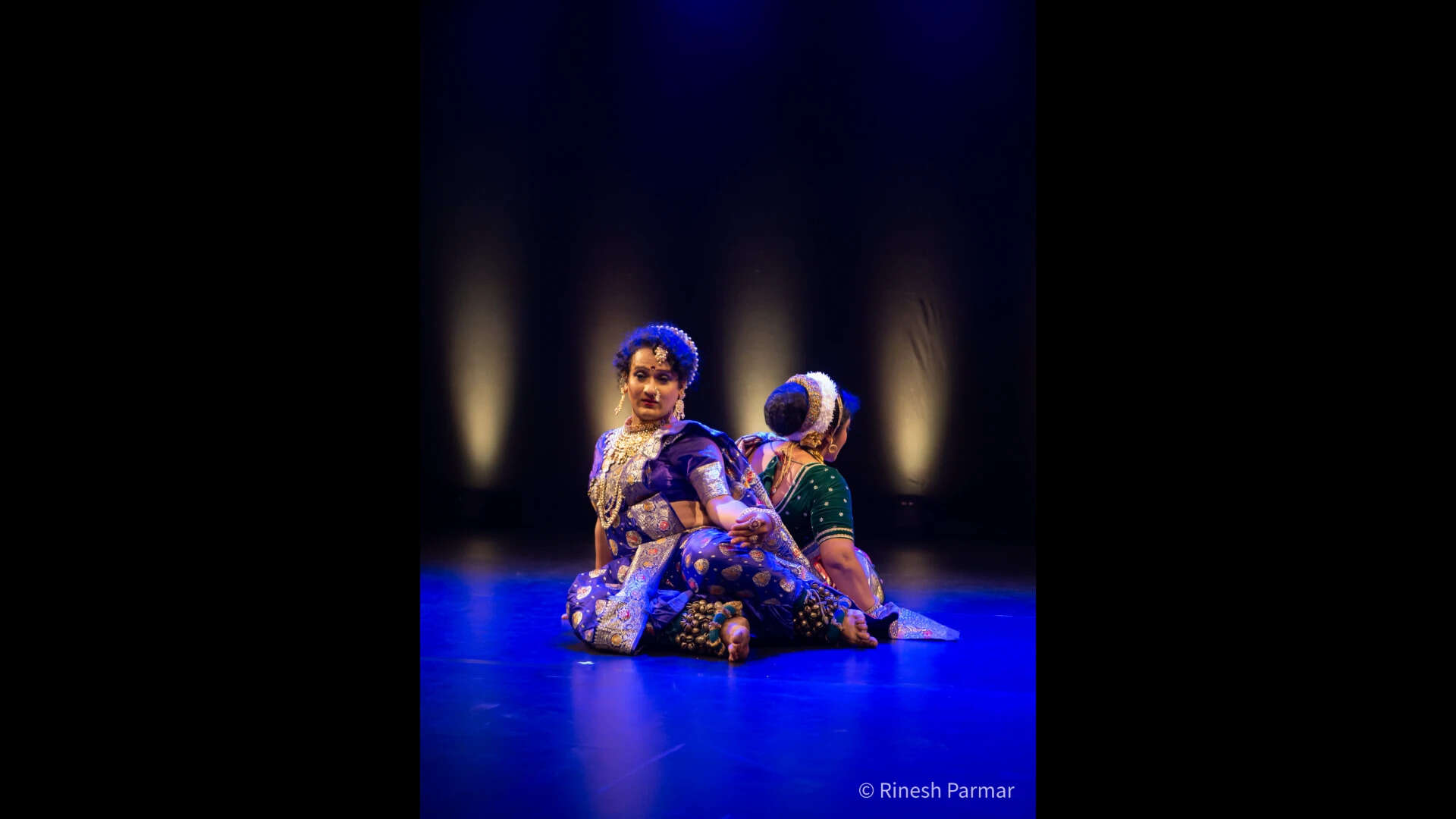
Participants at Lavani Chaska with Queer Maska explored the folk form through movement, role reversals and conversations around gender and performance. (Picture credits: Rinesh)
The idea for the festival emerged after organiser Deepa D toured nine cities with her solo show last year.
"Every place I went to, I had at least one or two people coming up to me saying, 'We're queer, and we feel very represented’," she shared, adding, "I thought this was an opportunity and an experience that more artistes and audiences should have."A bigger platform for queer artistesWhile the performances differed in form and language, one thing remained constant: every artiste in the festival identified as queer. “We had representation from a very varied gender and sexual spectrum," said dancer and volunteer Amrutha R, who travelled from Kerala for the fest.
Lavani artist Akshay Malwankar said festivals such as Satrang Mahotsav help create space for queer performers and their work. "If everyone else can have theatre festivals, then queer people should too.
It's a medium for us to reach a larger section of society,” he added. "Queer people deserve to be celebrated with everyone – giving respect to the community and including them in things they have been kept away from for far too long," said actor Suhita Thatte, who performed the solo act Ek Madhav Baug at the fest.
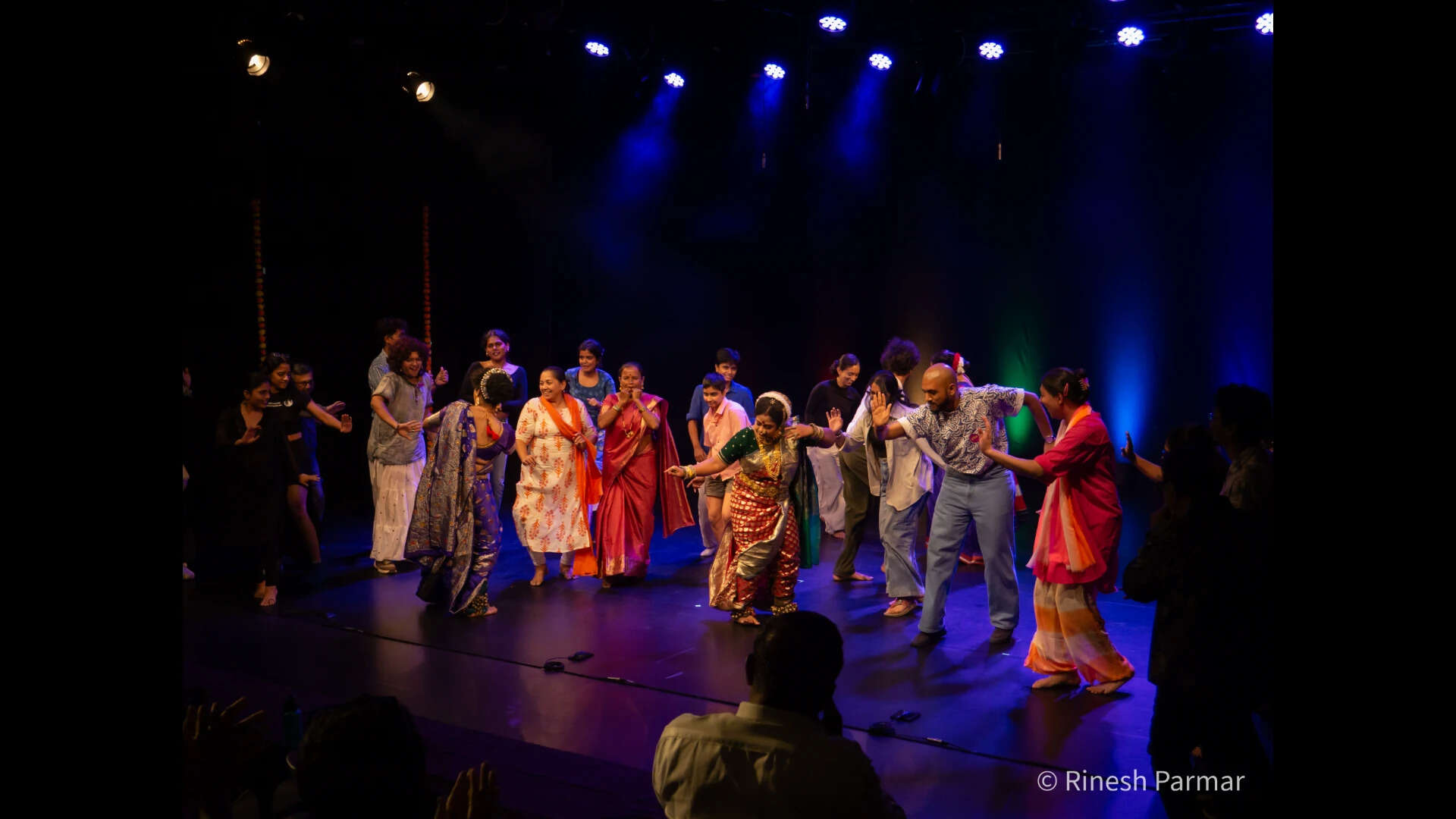
Participants stepped into the world of Lavani, using dance and discussion to examine how the folk tradition has long created space for diverse expressions of gender. (Picture credits: Rinesh)
From lavani to theatreThe festival also explored how different performance traditions can be viewed through a queer lens. At Lavani Chaska with Queer Maska, conducted by the Rang Birangi Lavani team, participants learned movements while engaging with ideas of gender and performance.
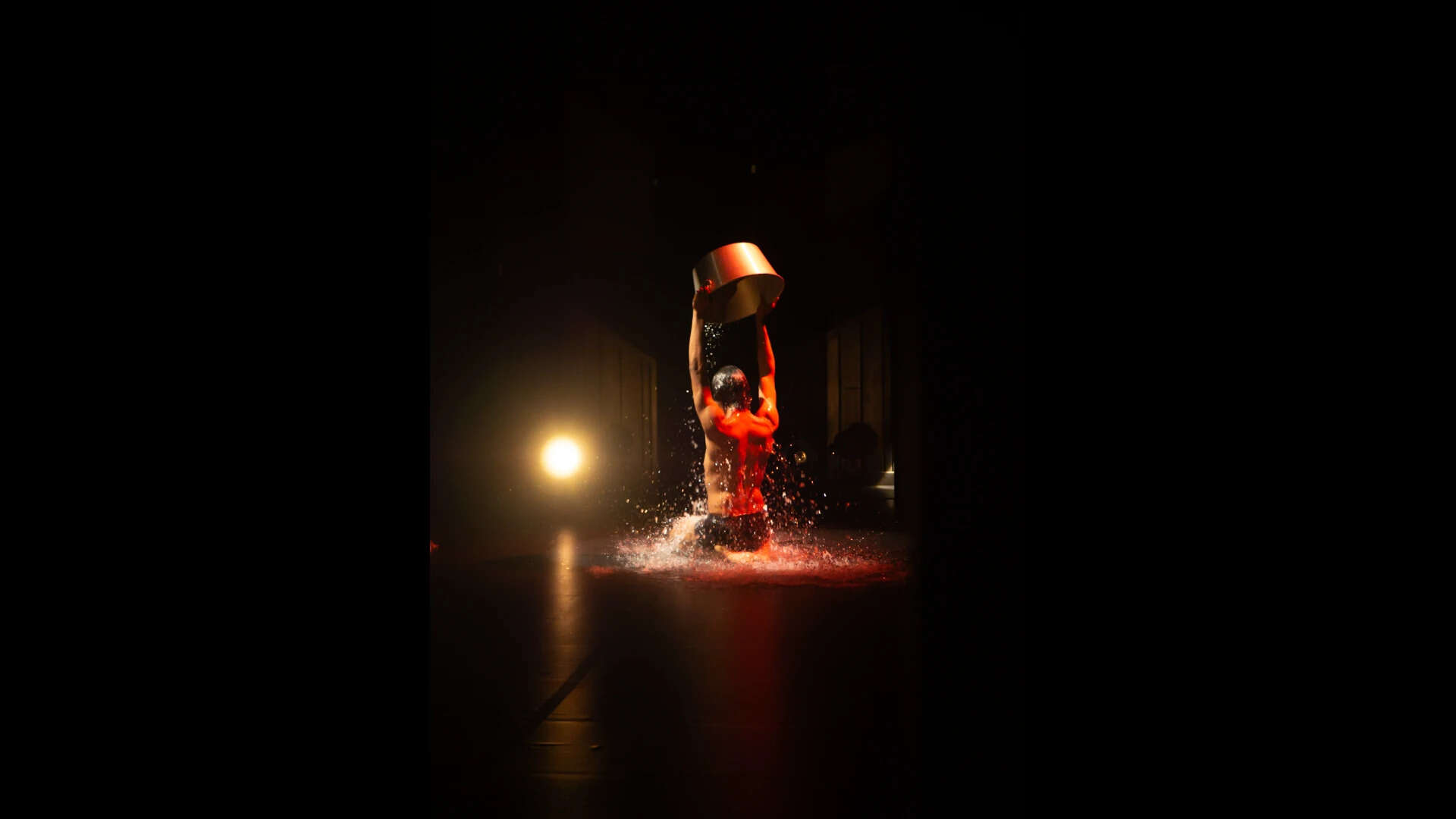
From intimate solo acts to ensemble productions, Satrang Mahotsav showcased queer storytelling across multiple theatrical forms. (Picture credits: Rinesh)
"We know that lavani has an inherent queerness. It is queer in so many ways, and we want to help more people understand this aspect of the folk form," said Bhushan Korgaonkar, who co-led the workshop with artist Akshay. For Deepa, the festival was also about what the audience took away from it. "I wanted people to come in with curiosity and leave feeling like they've experienced something new," she said, adding, “I hope all of us delivered on that front.
”





 English (US) ·