

 1 week ago
10
1 week ago
10
ARTICLE AD BOX
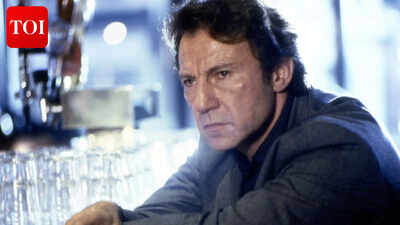
Harvey Keitel, a towering figure in cinema, has built his career on the belief that nothing meaningful comes without sacrifice. Instead of chasing trends or studio approval, he focused on inner strength, responsibility, and the courage to choose demanding, authentic roles.
There’s always been something deeply humane about Harvey Keitel’s roles. Even with the “tough guy” persona in iconic films like ‘Taxi Driver,’ ‘Mean Streets,’ and ‘Bad Lieutenant’, he commands the roles with emotional rawness. The method actor, who previously served in the US Marine Corps, has a certain way of looking at life, and one part of it, he says, is sacrifice, and that reflects in his words: “Sacrifice is a part of achieving anything worthwhile.”
Quote of the day by Harvey Keitel
Harvey Keitel said these words in a 2025 interview with MovieMaker Magazine, where he was reflecting on his career and creative choices. When asked about the source of his courage and integrity in selecting roles, he said: “Hollywood hasn’t permitted me anything.
I permit myself. … We are all responsible for our choices. And sacrifice is a part of achieving anything worthwhile. Risk and sacrifice.”Keitel’s words capture his philosophy. He believes that success must be earned through discipline and personal commitment. And it’s true, Keitel’s way of choosing artistic necessity above commercial safety made him a legend in Hollywood.
Let’s take a look at Harvey Keitel’s wonderful career journey
Before stepping into Hollywood, Harvey Keitel served in the Marines and worked for over a decade as a court stenographer.
He started his acting career in the late 1960s and worked with Martin Scorsese. He starred in films like ‘Who's That Knocking at My Door’, ‘Mean Streets’ , and ‘Taxi Driver’. He earned an Academy Award nomination for 1991 film ‘Bugsy’.Harvey Keitel is now an enduring figure in both American and European cinema.






 English (US) ·