

 1 hour ago
4
1 hour ago
4
ARTICLE AD BOX
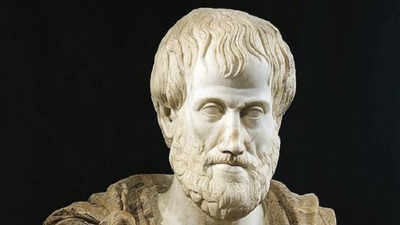
Aristotle: "We are what we repeatedly do. Excellence, then, is not an act but a habit.”
“We are what we repeatedly do. Excellence, then, is not an act but a habit.”People like to think of excellence as something that appears in defining moments, like a brilliant performance, an inspired decision or an extraordinary achievement that sets one person apart from everyone else.
Aristotle's observation points in the opposite direction. It suggests that the moments people admire are usually the visible result of countless ordinary actions that came long before anyone was paying attention.The quote also changes the way success is measured. A single good decision, an exceptional piece of work or one act of kindness can certainly be memorable, although none of them says very much about a person's character on its own.
Aristotle believed character was shaped gradually through repetition, with every choice adding another layer to the person someone was becoming. Excellence, in that sense, is less like a finish line and more like a pattern that reveals itself over time, built through habits so ordinary that they rarely seem important while they are happening.
The power of repetition
There is a tendency to celebrate moments instead of routines. Newspapers report championship victories, bestselling books and remarkable discoveries, while the years of repetition that made those achievements possible rarely receive the same attention.
A concert pianist performs for two hours on stage, though the performance rests on thousands of hours spent practising scales that nobody applauds. An Olympic athlete stands on the podium for a few minutes after spending years repeating movements until they become instinctive.
The visible success is memorable because the invisible habit came first.Aristotle recognised that pattern more than two thousand years ago.
He believed actions shape character in the same way that water gradually shapes stone. One generous act does not automatically make someone generous, just as one dishonest decision does not define an entire life. Repetition carries far greater influence because habits slowly become part of a person's nature, often without them noticing the change.
Why habits matter more than motivation
Modern conversations about success frequently revolve around motivation.
People search for the right speech, the perfect morning routine or the burst of inspiration that will finally transform their lives. Motivation certainly has its place, though it is also unpredictable. Habits ask much less of people. They do not depend on feeling inspired every morning because they are built into ordinary life. A writer who sits at a desk every day produces more pages than someone waiting for the perfect idea.
A musician who practises regularly continues improving long after the excitement of learning a new instrument begins to fade. The routine, thus, is far more important than enthusiasm.Repeated actions gradually become automatic as the brain forms stronger neural pathways, reducing the amount of conscious effort needed to perform them.The quote also invites people to think differently about the choices they dismiss as too small to matter.
Reading ten pages of a book feels insignificant in one evening. Saving a little money each month seems unlikely to change anyone's future. Spending twenty minutes learning a new skill hardly feels remarkable. Viewed in isolation, these actions appear ordinary. Repeated over months or years, they begin to define how a person lives.That is equally true of habits people would rather avoid. Procrastination, impatience or carelessness rarely arrive overnight.
They grow through repetition in much the same way as discipline or kindness. Aristotle's philosophy leaves very little room for accidental character. Every repeated action becomes another vote for the person someone is slowly becoming.
A lesson that has outlived its wording
Perhaps that explains why a sentence has become one of the best-known summaries of Aristotle’s philosophy. The words have travelled across classrooms, sports teams, boardrooms and self-improvement books because they capture a truth that people recognise through experience as much as argument.
Excellence rarely announces itself in a single spectacular performance. More often, it appears in the ordinary decisions that are repeated so consistently they become second nature.
Aristotle understood that long before the language of habits, productivity and self-improvement entered everyday conversation, and his philosophy continues to remind us that the life people admire is usually just built in ordinary moments.









 English (US) ·