

 1 week ago
7
1 week ago
7
ARTICLE AD BOX
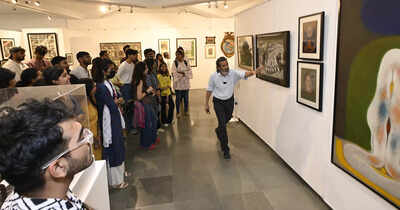
T.R.I.S. brings Hollywood to India, positioning Indian academia within global cinema studies. New Delhi is hosting a significant archival exhibition that shifts the focus from film screenings and celebrity tributes to research and documentation. On February 25, the Tuli Research Centre for India Studies (T.R.I.S.) opened The Greatest Show on Earth: The Golden Age of Hollywood 1914–1964 at the India International Centre, presenting a detailed archive on Hollywood and world cinema. Curated by Neville Tuli, the exhibition is part of T.R.I.S.’ ongoing India Studies Festival. It examines the Indo-American cinematic exchange that has influenced film culture over decades. The exhibition traces the emergence of the Hollywood studio system following the decline of Thomas Edison’s patent control. It highlights early institutions such as Vitagraph Studios, Paramount Pictures and Universal Pictures. The narrative then moves to early Italian epics such as Cabiria and the German Expressionist movement, represented by films including The Cabinet of Dr Caligari, The Last Laugh and Metropolis.
Comedy’s evolution is explored through figures including Charlie Chaplin, Buster Keaton and Cary Grant. The exhibition also studies directors such as F W Murnau, Fritz Lang, Orson Welles and Alfred Hitchcock, focusing on their cinematic language and influence. Stardom is examined through personalities such as Greta Garbo, Clark Gable, Marilyn Monroe and Marlon Brando, with emphasis on their cultural impact beyond the screen. The exhibition also explores genre cinema – fantasy, horror, science fiction and mystery – referencing characters such as James Bond and creative figures like Walt Disney. According to Tuli, the exhibition reflects more than three decades of research and collection-building. He noted that the archive supports academic engagement and offers Indian institutions an opportunity to expand research in global cinema history. Designed especially for students and researchers, the exhibition includes rare publicity material and archival documents, positioning it as both an academic resource and a public cultural showcase. Open at the IIC Main Gallery from February 25 to March 3, between 11.00 am and 7.00 pm, the exhibition is free and open to visitors. For New Delhi’s cultural calendar, it marks a moment focused on preservation, research and dialogue around world cinema. India is not merely consuming global cinema. It is preserving and archiving it, researching and studying it — and now, step by step, perhaps leading the conversation in the years to come.






 English (US) ·