

 1 hour ago
7
1 hour ago
7
ARTICLE AD BOX
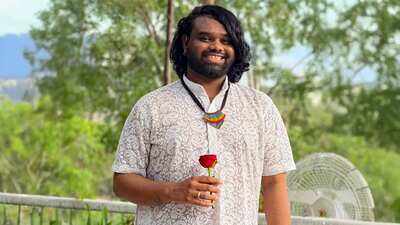
For Anil Savithri, activism was never part of the plan. A difficult coming-out journey, a lack of accessible support systems and the struggle to simply find reliable information about being queer in Hyderabad over a decade ago gradually reshaped that path.
Today, the founder and president of the Mobbera Foundation has helped build one of Telangana’s prominent LGBTQIA+ community organisations working across employment, mental health, awareness and community-building. As conversations around Pride grow louder and inclusion becomes part of mainstream discourse, Anil reflects on why visibility alone is never enough, why dignity must go beyond tokenism, and why hope ultimately lies with the next generation.
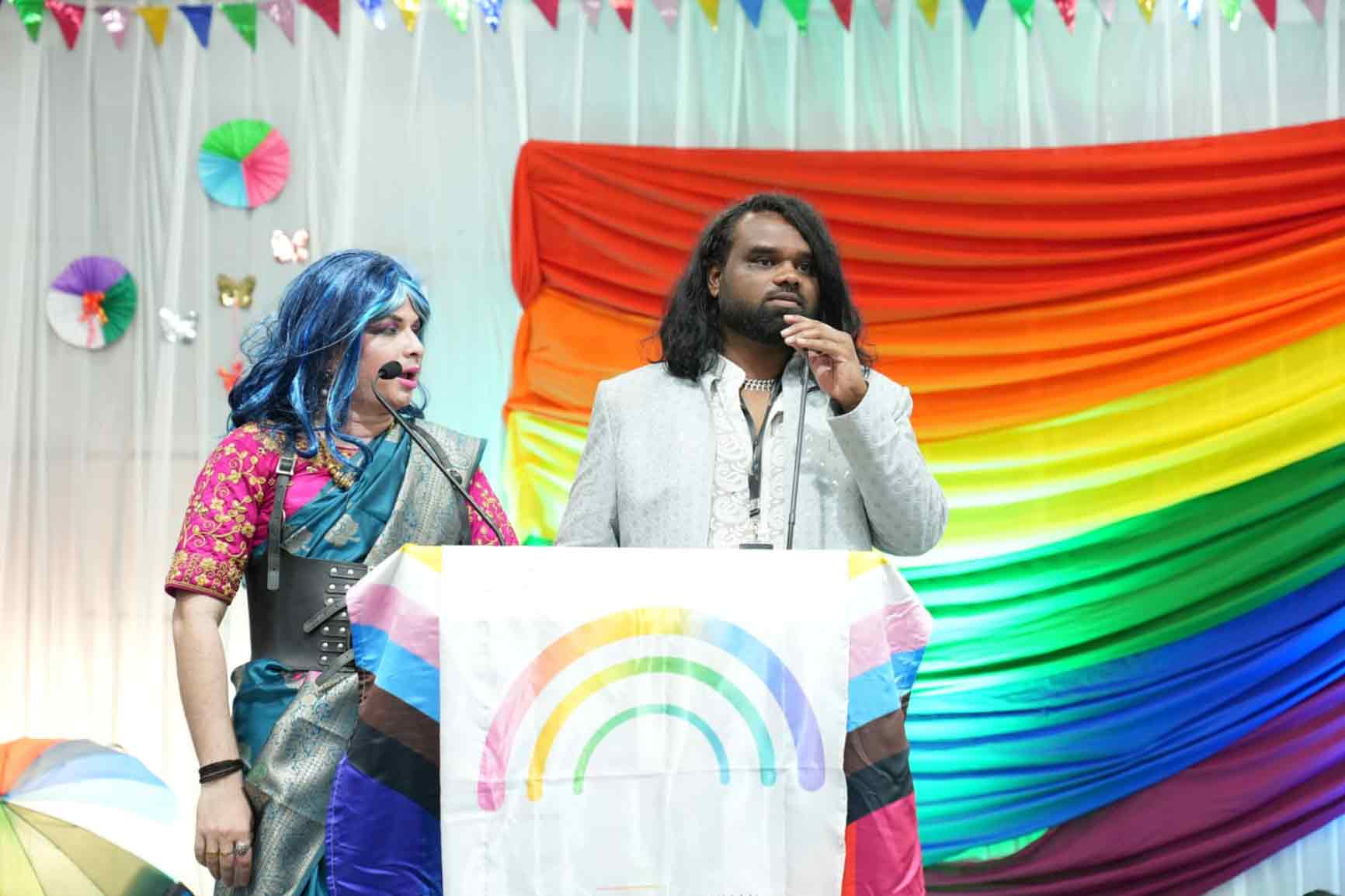
‘Our own experiences became the foundation for everything we do today’Before coming out, I wasn’t even thinking deeply about my own identity. But once I understood myself as a non-binary person, I also realised how much misinformation surrounded the LGBTQIA+ community. More than a decade ago, there were very few resources for someone leaving an abusive home or simply trying to understand who they were. My own family situation became increasingly difficult after I came out, and with the support of transgender rights activist Vyjanti, we eventually sought legal protection.
That experience made us realise that support shouldn’t depend on chance. What began as a small collective to help others navigate similar struggles eventually grew into a collective, where our lived experiences continue to shape every aspect of our work.
The fight for human rights won’t disappear overnight. But I see hope in younger generations because they’re questioning prejudices instead of inheriting them. That’s where meaningful change begins
Anil Savithri
‘Visibility matters only when accompanied by advocacy’When we started Mobbera over a decade ago, awareness was our primary focus because misconceptions about the LGBTQIA+ community were everywhere.
But I soon realised that awareness alone doesn’t create change, education does. Today, our work extends from sensitisation programmes and affirmative mental healthcare to employment initiatives that help queer people build independent lives. Financial dignity is as important as visibility.
That’s also why I believe Pride cannot become only a celebration. Rainbow flags and marches are meaningful, but they must also create space to ask difficult questions about policy, representation and accountability.
Visibility matters only when it is accompanied by advocacy and when the communities most affected have a voice in the decisions that shape their lives.
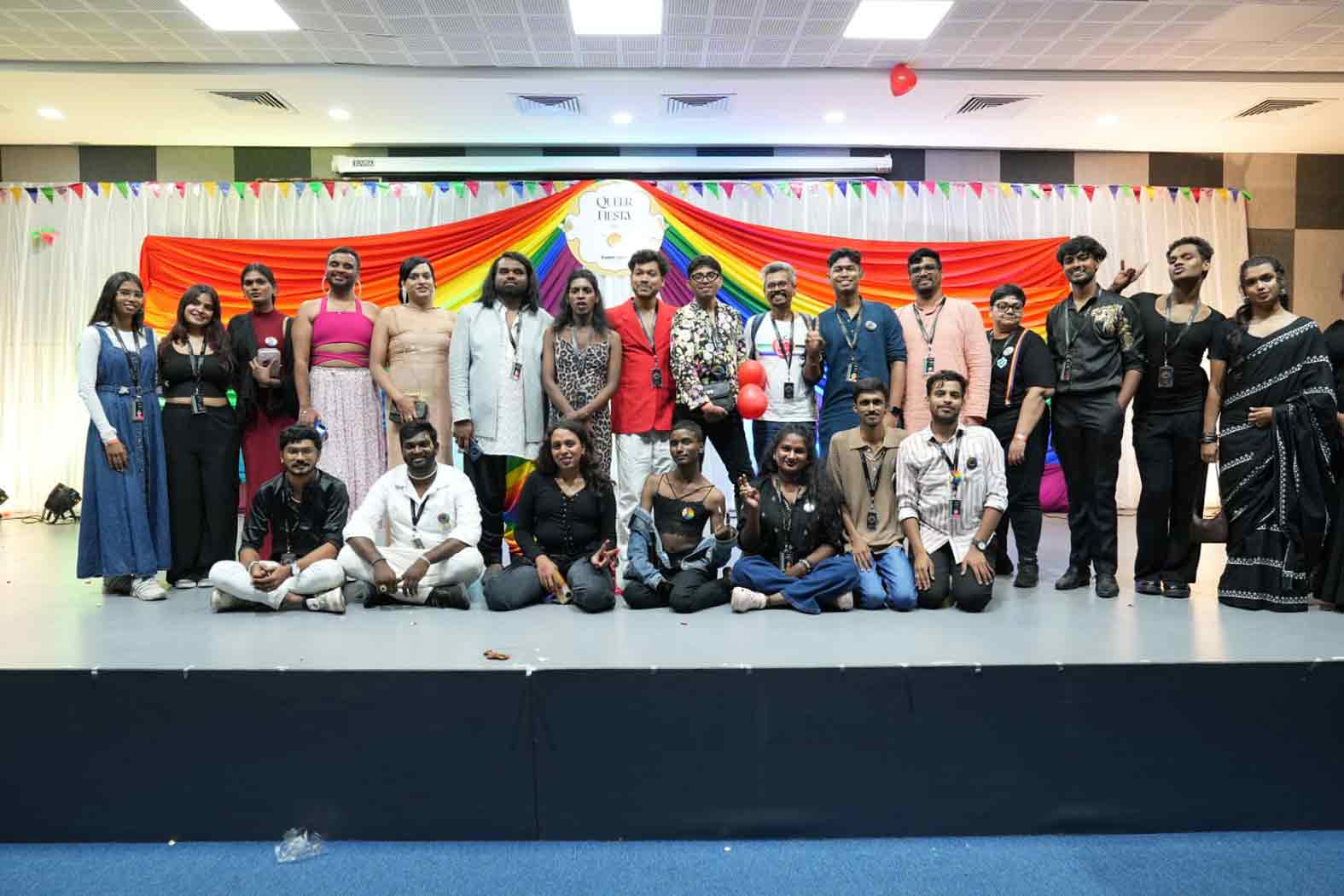
People often think Pride is only about celebration, but it is also about protest. Pride should be a reminder to ask difficult questions, demand accountability and ensure that the people most affected have a seat at the table when decisions about their lives are made
Anil Savithri
‘Inclusion cannot stop at making announcements’Telangana has made important strides, but inclusion cannot stop with symbolic announcements. Governments and employers still often understand gender diversity through a limited lens, leaving many non-binary and gender-diverse people outside existing policies.
Employment, too, has to move beyond tokenism. People should be recognised for their education, skills and abilities, not offered opportunities simply to tick a diversity box.
Even so, I’m hopeful. What encourages me most is the younger generation, who are increasingly questioning prejudices instead of accepting them. I don’t think the fight for human rights will disappear overnight, but I believe lasting change will happen when more young people enter spaces where policies are shaped and ensure that dignity, equality and representation become the norm rather than the exception.






 English (US) ·