

 1 week ago
6
1 week ago
6
ARTICLE AD BOX
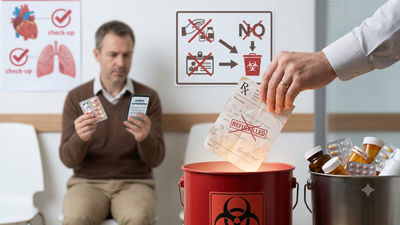
Doctor's Day usually means a message to your family physician or a quiet thank-you scrolled past on social media. However two Bengaluru-based doctors have a different kind of message this year.
Instead of gratitude, they're asking for a change in behavior. Cardiologist Dr. Deepak Krishnamurthy, Director and Lead Consultant of Cardiology at KIMS Mahadevapura and pulmonologist Dr. Pavan Yadav, Clinical Director and Senior Consultant of Interventional Pulmonology and Sleep Medicine at KIMS Electronic City have treated thousands of patients whose heart and lung problems didn't start with something dramatic. Together, their lists read less like a lecture and more like a warning from two people who've seen exactly how these small decisions play out.
Don't play doctor with your own heart medication
The most dangerous habit Dr. Krishnamurthy sees is patients adjusting or stopping heart medication without guidance. Beta blockers, blood thinners, statins, these aren't drugs you taper off because you're feeling fine one week. Stopping a beta blocker abruptly can trigger rebound high blood pressure or push the heart into a dangerous rhythm.
And chest discomfort isn't something to sit with, hoping an antacid handles it.
If it's cardiac in origin, every hour spent waiting is treatment time lost.Equally risky is self-prescribing a loading dose of blood thinners after reading about it online. Get the drug or dose wrong, and you're looking at serious bleeding complications, not a quick fix.
Stop guessing with antibiotics, too
Dr. Yadav's first warning covers similar ground from the respiratory side.
Self-medicating with antibiotics the moment a fever, cough, or sore throat shows up is, in his words, treating antibiotics like fever tablets. They need a proper diagnosis first, a clear understanding of when to stop, and awareness of the side effects that can follow. Skipping that step doesn't just risk your own recovery — it feeds into the larger, slower-moving problem of antibiotic resistance that doctors are increasingly worried about.Just as common, he says, is reaching for leftover medication from an old prescription because the symptoms feel familiar. What worked for a cough three months ago may not be the right, or safe, treatment for a cough today. Reused prescriptions are, in his experience, one of the most frequent causes of delayed diagnosis and worse complications down the line.
Your home blood pressure monitor isn't the whole story
Plenty of people now own a BP monitor and treat every reading as gospel, adjusting medication based on a single number that looked a little high or low one morning.
Dr. Krishnamurthy's advice is to track trends over time with a doctor, rather than reacting to isolated readings. Blood pressure and heart rate fluctuate through the day for entirely normal reasons, and one alarming number rarely tells the full story.
Don't stop chronic medication just because you feel better
This is where both doctors' lists converge almost exactly. Dr. Krishnamurthy warns against patients quietly discontinuing heart medication once symptoms ease.
Dr. Yadav says the same thing happens constantly with asthma, hypertension, and diabetes medication, patients feel better, assume the medicine has done its job, and stop. Feeling better once doesn't mean the underlying condition is gone. Certain chronic conditions need daily management for as long as a doctor says they do, not for as long as symptoms are visible.
Stop toughing out the symptoms that actually matter
There's a very familiar instinct to push through discomfort quietly — swelling in the ankles, breathlessness on stairs that never used to be a problem, fatigue that won't lift.
These aren't just signs of getting older or being unfit. They're often early markers of worsening heart failure, and catching them early gives a doctor far more options. The same logic applies to fainting or near-fainting spells written off as dehydration or low blood sugar.
Sometimes that's exactly what it is. Sometimes it isn't, and the only way to know is to get checked.Dr. Yadav adds a respiratory version of the same warning: a cough lasting more than two or three weeks, blood in the sputum, unexplained weight loss, persistent fever, chest pain, or breathlessness are not symptoms to manage with home remedies on repeat.
Home remedies can soothe, but they can also mask warning signs of something far more serious building underneath.
Supplements, painkillers, and CPAP devices aren't as harmless as they look
High-dose fish oil, potassium supplements, certain herbal blends — all of these can interact dangerously with prescription heart medication, and most people have no idea until something goes wrong. Over-the-counter decongestants and NSAIDs carry the same risk, quietly worsening high blood pressure or heart failure symptoms despite sitting on an open pharmacy shelf.On the respiratory side, Dr. Yadav flags a newer problem. Post-COVID, oxygen concentrators, CPAP, and BiPAP devices have become far more accessible, and far more commonly used without proper medical guidance. These devices are not without risk. Used incorrectly, or without the right indication, they need proper monitoring, not casual self-management picked up from a YouTube tutorial.
Small procedures at home can become big problems
One of Dr. Yadav's more overlooked warnings involves the small, seemingly harmless procedures people attempt on themselves — cleaning deep inside the ear with a bud, draining a boil, cutting a corn, removing an ingrown nail.
Done without sterile technique or proper assessment, these small fixes can spiral into infections that need far more intervention than the original problem ever did.
Repeated AFib episodes, extreme diets, and social media hacks
For patients with atrial fibrillation, Dr. Krishnamurthy warns against repeatedly managing episodes at home without follow-up. Each episode carries stroke risk worth evaluating, and the need for anticoagulation therapy can shift over time even when symptoms feel familiar.
Dr. Yadav rounds off his own list with a broader caution against extreme diets, detoxes, and weight-loss medication taken without supervision.
The body doesn't need aggressive detoxing — it needs balanced nutrition, sleep, hydration, and exercise, with any medically indicated intervention properly monitored. And both doctors, independently, land on the same closing point: online health advice, however convincing it sounds, cannot examine you, listen to your chest, or check your oxygen levels.
It's incomplete by design.
Why these lists matter more than they sound
None of these habits feel dramatic at the moment. That's exactly the problem. A skipped conversation, a borrowed prescription, a symptom explained away — heart disease and respiratory illness both tend to build themselves out of decisions that felt too small to mention to a doctor. This Doctor's Day, the gift worth giving yourself might just be one honest conversation with a specialist, instead of one more workaround found on the internet.









 English (US) ·