

 1 hour ago
5
1 hour ago
5
ARTICLE AD BOX

It was always coming. Anyone paying attention could see the writing on the wall: the march toward digital-only consoles, the shelf space allotted to discs shrinking in electronics stores, the streaming services quietly eroding the idea that owning a physical copy of anything still matters (as everything is moving to the cloud).
It followed the same arc we have seen before: audio cassettes gave way to CDs, CDs gave way to downloads, downloads gave way to streaming – the gaming disc was always going to follow. The only question was when because PC gaming phased out discs over a decade ago.
What is the issue
The past few days brought two pieces of news that, taken together, feel like a small funeral for a particular kind of childhood. First, Rockstar Games made the announcement that GTA VI (GTA 6), one of the most anticipated games in a generation, will be released digital-only.
You can purchase a “boxed copy” at retail stores but that will not include a game disc but a printed code to download the game online.PlayStation is the latest one to make headlines. The company said:“In response to shifting trends in consumer preference, new games will be released on PlayStation Store and at retailers in digital formats only, “ said Sid Shuman, Senior Director, Sony Interactive Entertainment Content Communications, in a blog.“As consumer preferences and the broader entertainment industry continue to shift away from physical discs to digital, physical game disc production for all new games releasing on PlayStation consoles will be discontinued starting January 2028. Following this date, new games will be available on PlayStation Store and at retailers in digital formats only. This transition has no impact on games that already released, or will be releasing, prior to January 2028 in disc format.”
What discs actually mean for gamers
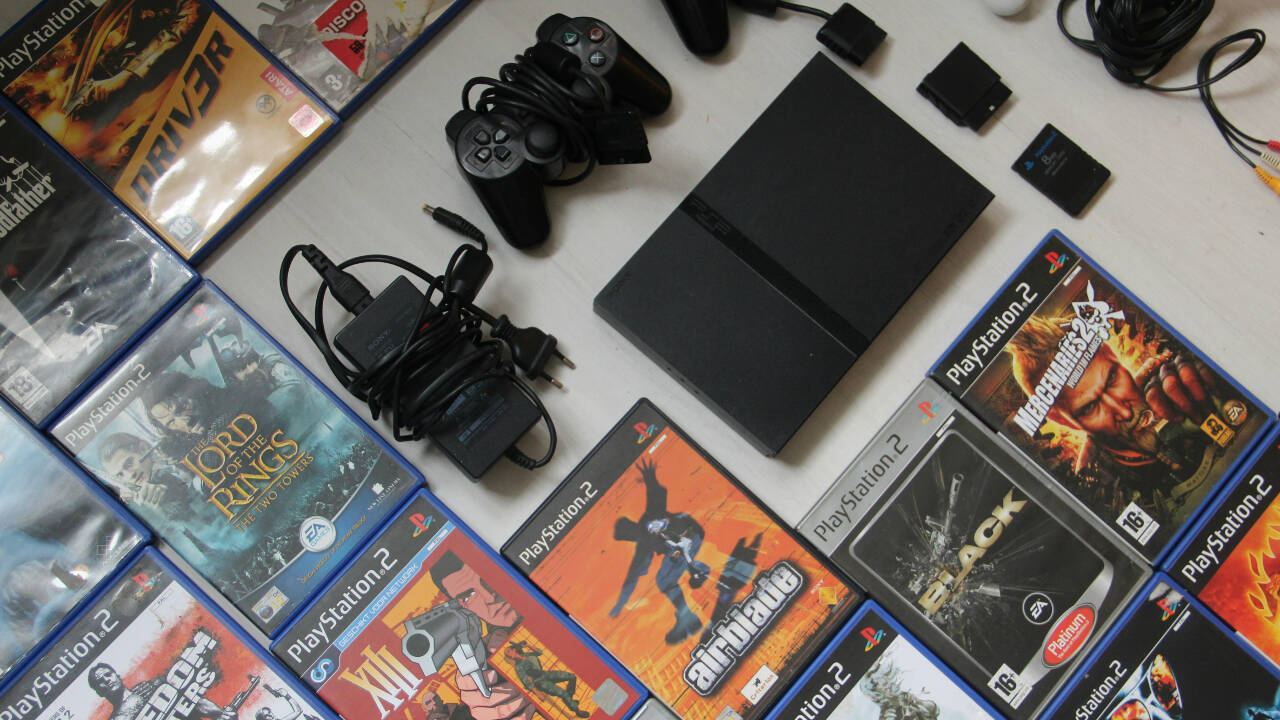
For a certain generation of gamers, this stings in ways that go beyond mere inconvenience – the type of loss that only game collectors understand. Ask anyone who grew up in the 1990s or early 2000s what they remember about getting a new game, and the answer is rarely about the game itself. A disc was never just a game but an object with a second life – and sometimes a third. But how?For example, you would buy a title for Rs 5,000, play it through and sell it on to someone who could never have afforded it at full price.
Two people got to experience the same game at a reduced cost and get to keep the history alive by owning a part of it. Moreover, you could swap titles with friends, trading something you had finished for something you did not purchase because you fell short of the money. Nobody made money from these exchanges – certainly not the publishers – but the people who mattered most, the actual gamers, were genuinely happy.Think of owning a GTA V disc and lending it to your nephew who has just started his gaming journey.
While you feel proud, your nephew gets hands on something that he may have never bought for himself.It was, in its own small way, the perfect customer experience. As Jeff Bezos once put it: “Put the customer first.” The disc economy did exactly that. However, Bezos also said, “Invent. And be patient.” Physical discs have been a delivery mechanism, objects we love and they have presence. You can line them up on a shelf and look at them and be proud of your gaming legacy.
What we lose when the disc goes
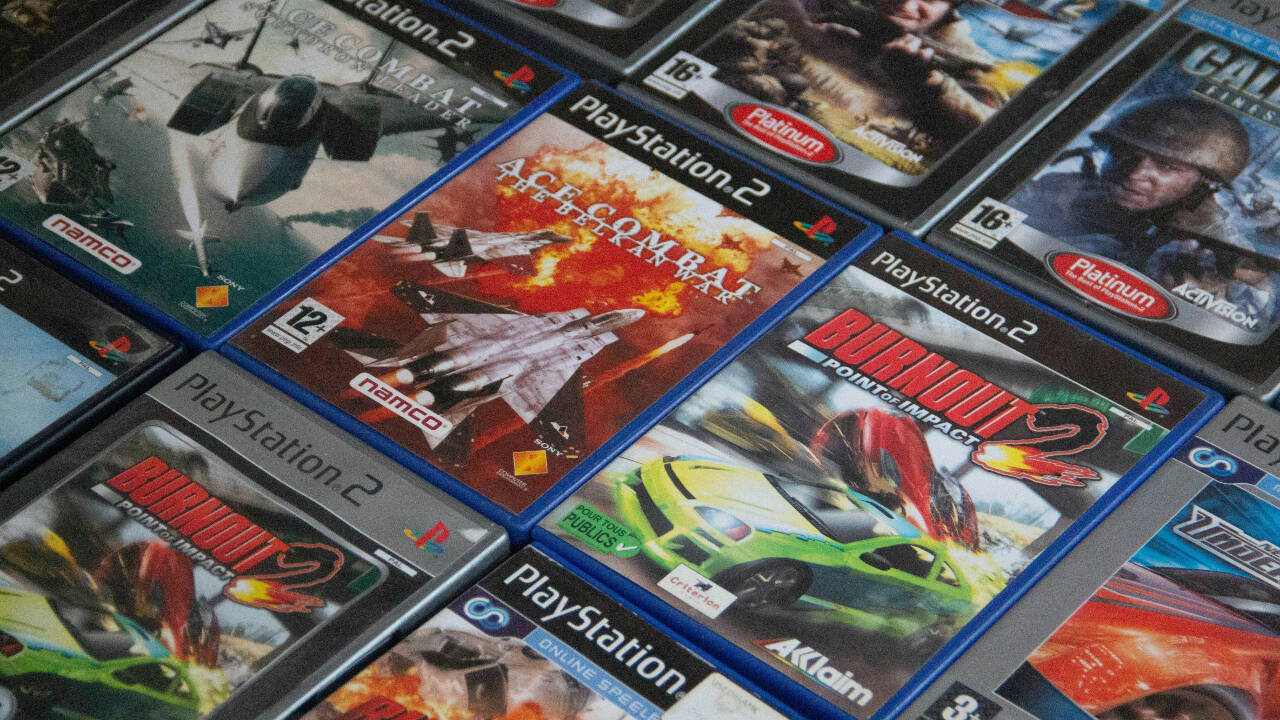
Digital ownership works differently. The game is locked to an account and it cannot be traded, sold, lent or passed on. The transaction is one-directional and permanent and in that process, the money flows one way, and what you receive in return is not ownership but access.What’s important is that access is fragile. Spec Ops: The Line was pulled from digital storefronts because a music licence expired. So, if you already bought it, you could still download and play it but for those who didn’t, you must find a used physical copy.Similarly, Silent Hill’s Playable Teaser – one of the most talked-about game demos ever released – vanished from PlayStation's servers and has never returned. Reason: Konami had a big fight with Kojima. This means, if you did not download it in time, it is simply gone. No disc copy exists to save it. No secondhand market preserves it. It has effectively ceased to exist.This is the quiet ‘catastrophe’ of digital-only gaming: games are not just products anymore.
They are permissions that expire.So, now you understand the frustration. Discs are something deeply important about ownership, not the kind that exists in a terms-and-conditions document. When you buy a disc, it is yours. No subscription could revoke it, no corporate decision could make it disappear and no server going offline can lock you out of something you had paid for. The collectors understood that a disc on a shelf is small but it is a physical piece of history.What’s the future we are heading intoThe disc is not dead yet but it is dying slowly, steadily and with the full momentum of an industry that has decided the future lies elsewhere. That future will bring things that are good: instant access, no storage concerns (Cloud Gaming), games available anywhere on any device. There are real advantages to the digital world and pretending otherwise would be dishonest.But something real is being lost too: The format and a relationship with the things we buy – a sense of permanence, of ownership, of being able to hold something in your hands and know that it is yours.With discs, you owned a part of history that you could show it off – but someday, to someone who had never seen one. Just like the way people show off vinyl records or VHS tapes or paperback books with cracked spines. Proof that something existed, that it mattered, that you were there.








 English (US) ·