

 1 hour ago
6
1 hour ago
6
ARTICLE AD BOX
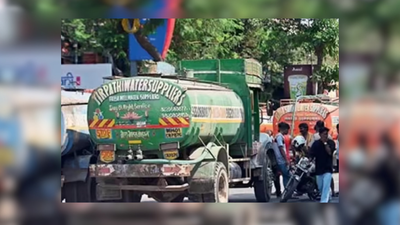
MUMBAI: The warning signs are seeping up from beneath Mumbai’s feet. Saline, dirty and non-potable water in multiple wells dug for Metro construction has raised a stark question: is the city quietly exhausting and contaminating its own groundwater reserves—pushing itself towards an arid, infertile future?An RTI reply from the BMC’s public health department revealed that several bore and ring wells at Metro Line-3 sites are producing water unfit for human consumption.
Civic inspection reports point to saline contamination and restricted use, with most water diverted for construction purposes. For environmentalists, this is a red flag that Mumbai’s fragile aquifers are under stress and could be beyond recovery if unchecked extraction continues. Inspections across Wadala, Bandra-Kurla Complex, and Grant Road show many unused wells, operational wells lacking proper documentation, and compliance gaps.
Some wells lie within casting yards and station areas, including Bhakti Park, where groundwater is tapped without clear oversight. Activists warn that poorly regulated extraction could accelerate salinisation, harm soil quality, and threaten the city’s already shrinking green cover. Currently, nearly 3,000 water tankers operate across Mumbai until the end of summer, alongside thousands of illegal borewells.
This unregulated industry is estimated to be worth thousands of crores, depleting groundwater and allowing saline water to replace freshwater in aquifers. Civic officials have called for tighter monitoring, but environmentalists argue that more comprehensive action is needed. They stress the importance of aggressive rainwater harvesting, restoration of polluted rivers, and strict regulation of illegal groundwater use.
“Today it is non-potable water. Tomorrow it could mean dead soil where trees won’t grow,” said an activist, reflecting growing concern among residents. The urgency of the situation is reinforced by the Supreme Court’s recent action in Rajasthan, where strict measures were ordered against untreated effluent discharge and illegal groundwater extraction, highlighting risks to soil, food systems, and public health.
Experts warn that if Mumbai ignores the issue, it could face rising salinity, collapsing biodiversity, and groundwater becoming unusable. “The National Green Tribunal’s action in Rajasthan—issuing notices to 17 district collectors in a Rs 1,400 crore illegal groundwater extraction case—marks a turning point. Violations involved large-scale extraction without Central Ground Water Authority (CGWA) permission, breaching Supreme Court directives.
Mumbai faces a similar, if not more alarming, situation. Illegal borewells and tanker operations continue without CGWA approval, and commercial exploitation by construction, hotels, and industries is widespread.
Despite complaints, RTI disclosures, and representations, enforcement has been largely ineffective. Legally, groundwater is a public trust resource, and failure to regulate it violates Article 21 and could invite contempt of court,” said groundwater activist Sureshkumar Dhoka.




 English (US) ·